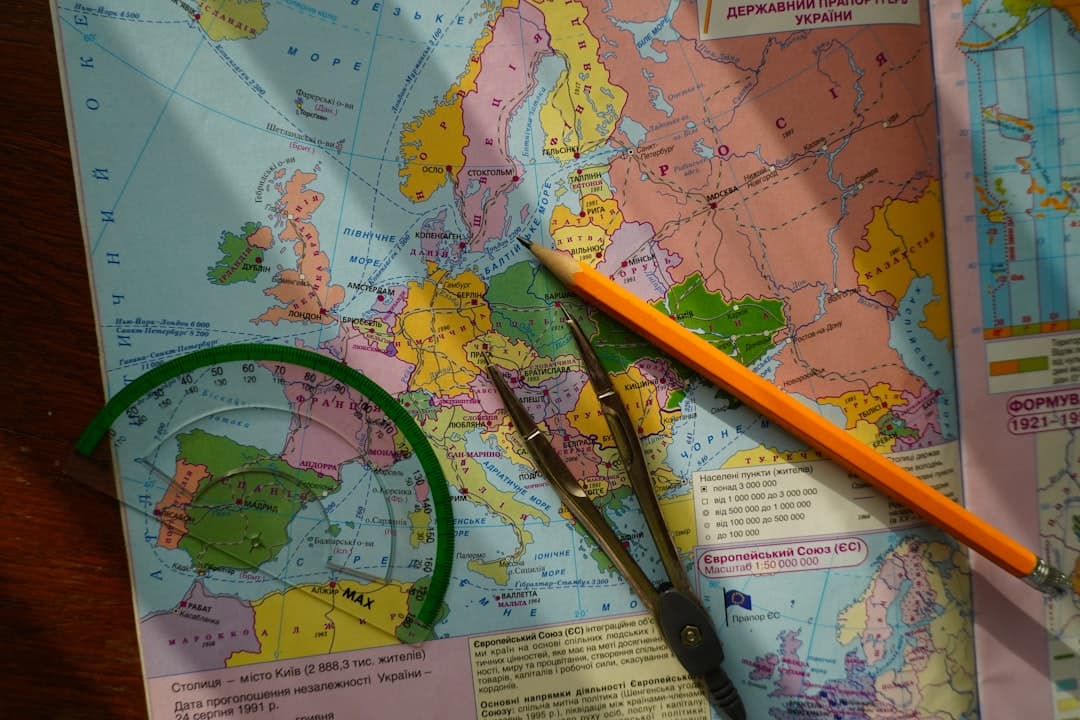
Europe's agricultural identity — built over centuries around wheat fields in France, olive oil from southern Spain, and wine from the Rhine and Rhône valleys — is being reshaped by climate change. Warmer average temperatures, prolonged droughts, unseasonal frosts, and intensified flooding are collectively altering growing conditions across the continent, forcing farmers, food producers, and policymakers to adapt.
Vineyards Move North
One of the most visible signs of this shift is the northward migration of viticulture. Wine grapes, once confined to traditional growing regions in France, Italy, Spain, and Germany, are now being cultivated commercially in southern England, Denmark, and even parts of Sweden. Warmer summers have extended growing seasons at higher latitudes, making previously unsuitable land viable for varieties that require sustained heat to ripen. Meanwhile, some established wine regions in southern Europe are contending with excessive heat and water stress, which can reduce grape quality and yield.
Mediterranean Staples Under Pressure
Olive oil, a cornerstone of Mediterranean cuisine and economy, has faced repeated production crises in recent years. Prolonged drought and heat waves across Spain, Italy, and Greece — the three largest olive oil producers in the world — have caused harvests to fall well below historical averages in successive seasons. The olive tree is drought-tolerant by nature, but extreme and sustained heat events, combined with the spread of pests such as the olive fruit fly under warmer conditions, have strained even resilient orchards.
Similar pressures affect tomato and citrus cultivation in southern Europe, where irrigation demands are rising as rainfall becomes less predictable and aquifers face depletion.
New Crops Emerge in Northern Regions
While southern Europe grapples with heat and drought, northern and central European countries are finding that their agricultural potential is expanding. Maize, soybeans, and sunflowers — crops historically associated with warmer climates — are being grown successfully in parts of Scandinavia, the Baltic states, and Poland. Warmer springs and longer frost-free periods have opened new possibilities for farmers in these regions, though the transition requires investment in new equipment, knowledge, and infrastructure.
Disruption to Traditional Food Cultures
The agricultural shifts carry cultural as well as economic consequences. European food traditions are tightly linked to specific geographic origins — a principle enshrined in the European Union's system of protected designations of origin, which covers products from Parmigiano-Reggiano cheese to Champagne. As climate conditions change, the relationship between a product and its traditional territory can be fundamentally disrupted, raising legal and cultural questions about how protected status should evolve.
Fisheries and Aquaculture Also Affected
The changes extend beyond land. Warming sea temperatures in the North Sea and Baltic Sea are altering fish migration patterns and population distributions. Species such as Atlantic cod, long central to fishing economies in Norway, Iceland, and the United Kingdom, are shifting their range as waters warm. At the same time, warmer coastal waters are creating conditions conducive to aquaculture of species not previously farmed at scale in European waters.
Policy and Adaptation Responses
The European Union has acknowledged the agricultural consequences of climate change through its Farm to Fork strategy and revisions to the Common Agricultural Policy, which increasingly tie subsidies to sustainability and resilience practices. Research institutions across Europe are developing heat-resistant and drought-tolerant crop varieties, while some farmers are experimenting with agroforestry and precision irrigation to manage new climatic realities.
The transformation of European food is neither uniform nor complete, but the trajectory is clear. The continent's farmers, food systems, and consumers face a sustained period of adjustment as the climate that shaped European agriculture for millennia continues to change.
Open Questions
Will the EU's protected designation system adapt to reflect new growing realities, or will it preserve geographic boundaries as climate renders them obsolete? Can northern European agricultural expansion offset losses in the south? And how will food prices and supply security respond to increasingly volatile harvests?
Sources: European Environment Agency (eea.europa.eu), EU Farm to Fork Strategy (European Commission), Food and Agriculture Organization of the United Nations (fao.org), Copernicus Climate Change Service (climate.copernicus.eu)
This article is based on a verified primary source. The text was editorially reviewed and fact-checked prior to publication.


