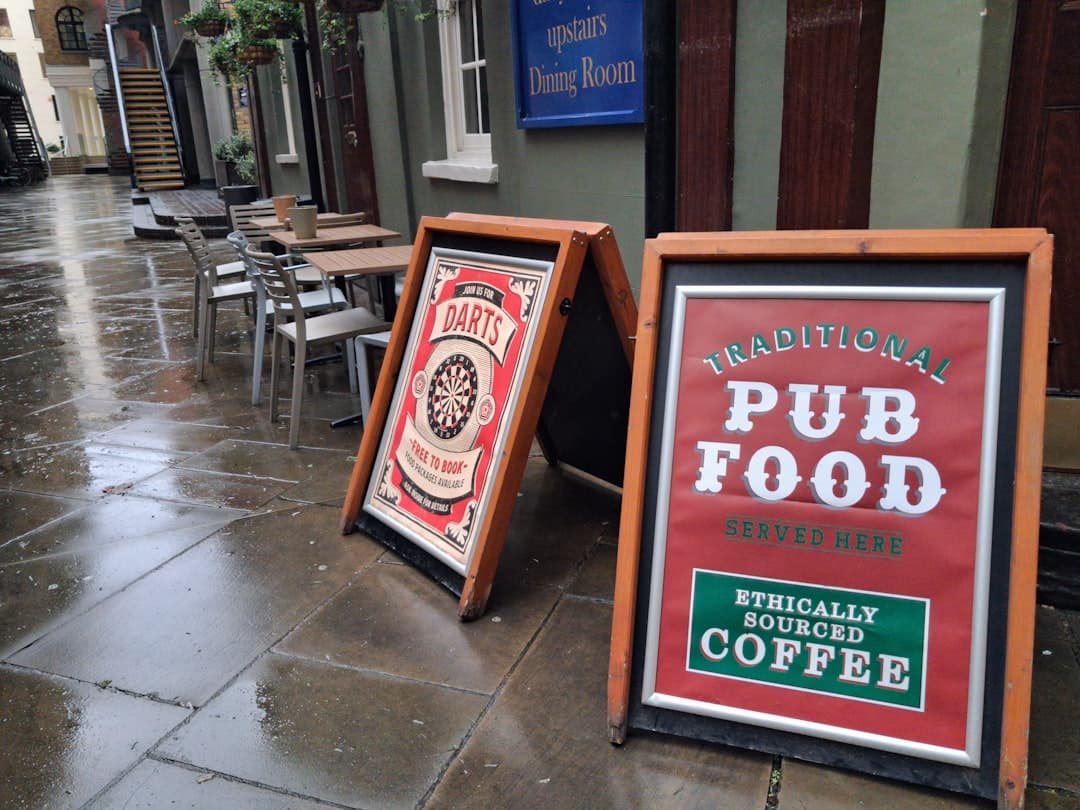
British regional cuisine, long overshadowed in international culinary conversations by French, Italian, and Japanese traditions, has been accumulating a series of formal recognitions that mark a shift in how the world evaluates food culture originating from the United Kingdom.
Protected Status as a Gateway to Global Visibility
Several British regional foods hold Protected Designation of Origin (PDO) or Protected Geographical Indication (PGI) status under schemes that originated in EU law and have since been replicated under the UK's own post-Brexit geographical indications framework. Products such as Cornish Clotted Cream, Melton Mowbray Pork Pies, and Arbroath Smokies carry these designations, which function similarly to France's appellation system and provide both legal protection and international marketing leverage.
These protections have increasingly drawn the attention of international food journalists, culinary tourism operators, and cultural institutions that catalogue intangible heritage. UNESCO's broader work on intangible cultural heritage has created frameworks under which food traditions can be formally acknowledged, a process that several British culinary advocates have sought to navigate.
Regional Identity as a Culinary Selling Point
The rise of culinary tourism across the British Isles has contributed to renewed interest in hyper-local food traditions. Regions such as Cornwall, the Scottish Highlands, Yorkshire, and Wales have positioned their distinct food cultures as draws for visitors seeking authentic, place-specific experiences. This trend mirrors movements seen across Europe, where regional gastronomy has become deeply tied to tourism strategy and rural economic development.
British food institutions, including the Guild of Fine Food and various regional food groups, have worked to document and promote these traditions both domestically and abroad, contributing to a more structured international profile for foods that were previously considered niche or domestic in scope.
A Longer Arc of Recognition
The shift reflects a broader global reassessment of British food culture that has been building over several decades, accelerated by the international reach of British chefs, food media, and the growing appetite for provenance-driven eating among consumers worldwide.
Open Questions
Whether formal heritage designations translate into sustained commercial growth for small regional producers remains an open question. The gap between cultural recognition and economic benefit for rural food communities is a tension that other European regions with protected food traditions have also struggled to resolve.
Sources: UK Geographical Indications Schemes (UKGI), European Commission PDO/PGI Registry, UNESCO Intangible Cultural Heritage Framework, Guild of Fine Food
This article is based on a verified primary source. The text was editorially reviewed and fact-checked prior to publication.


