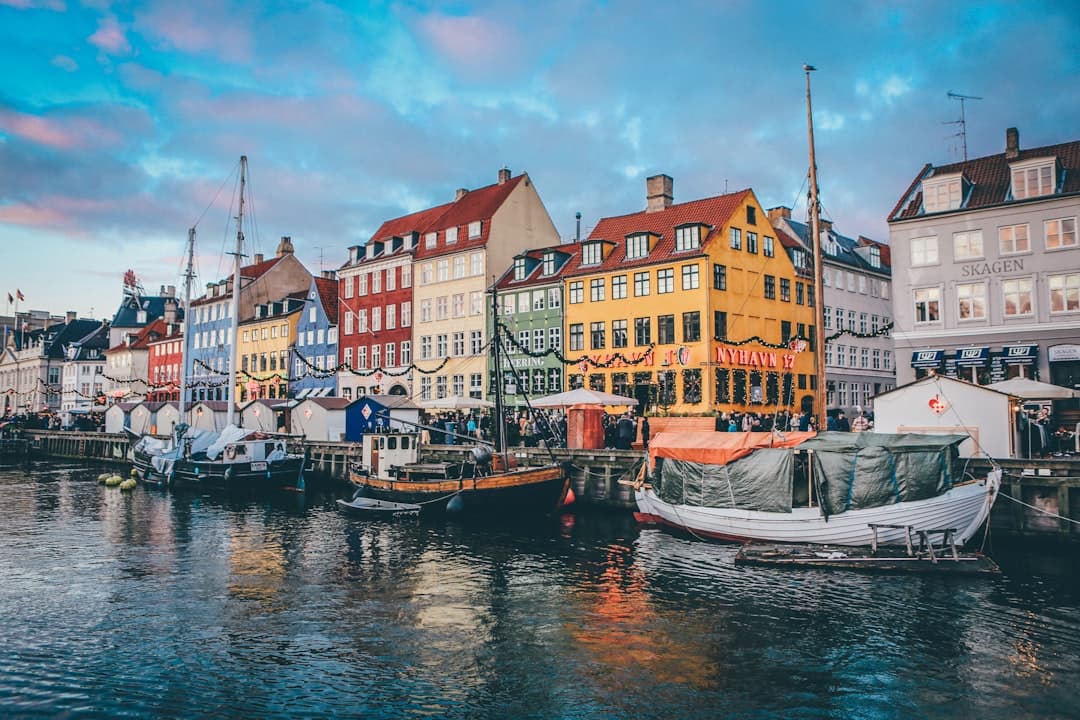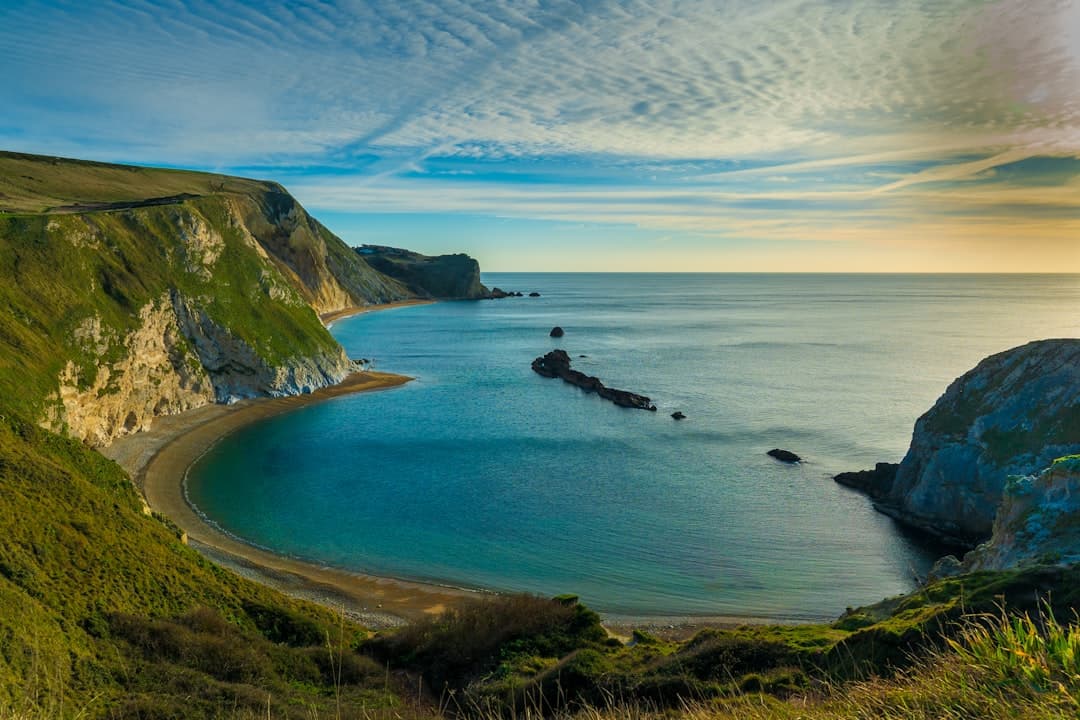
Denmark is an archipelago nation, comprising the Jutland peninsula and a collection of islands stretching across the North Sea and Baltic Sea. While Zealand, home to Copenhagen, and Funen draw the majority of visitors, a substantial number of smaller islands maintain distinct identities shaped by centuries of fishing, farming, and maritime trade.
Islands Beyond the Capital
Bornholm, situated in the Baltic Sea closer to Sweden and Poland than to Copenhagen, is among the most well-known of Denmark's outlying islands. The island is recognized for its medieval round churches, a rugged coastline, and a food culture that has earned it a reputation within Nordic culinary circles. Ferry and flight connections link it to the mainland throughout the year.
Ærø, located in the South Funen Archipelago, retains much of its 18th and 19th century architectural character. The island is frequently associated with preserved maritime heritage, including historic sailing vessels and well-maintained timber-framed buildings in the town of Ærøskøbing, which has received heritage protection status.
Smaller Islands and Slow Travel
A number of Denmark's smaller inhabited islands, including Samsø, Læsø, and Fanø, have developed tourism offerings centered on cycling, nature observation, and locally produced food. Samsø has drawn particular attention for its community-led transition to renewable energy, making it a point of reference in sustainability discussions across Europe.
The Danish government has historically supported efforts to maintain populations on smaller islands through infrastructure investment and cultural preservation programs. Ferry services, some subsidized, connect many of these communities to larger transport hubs.
Seasonal variation plays a significant role in island life. Summer months bring increased visitor numbers, while winters on peripheral islands can be marked by reduced services and a quieter pace determined largely by local communities rather than tourism infrastructure.
Open Questions
Which smaller Danish islands are developing infrastructure to support year-round tourism? How are island communities balancing heritage preservation with the economic pressures of increased visitor numbers?
Sources: VisitDenmark (visitdenmark.com), Danish Ministry of the Interior and Housing, UNESCO and heritage designation records, European renewable energy documentation on Samsø Energy Academy.
This article is based on a verified primary source. The text was editorially reviewed and fact-checked prior to publication.