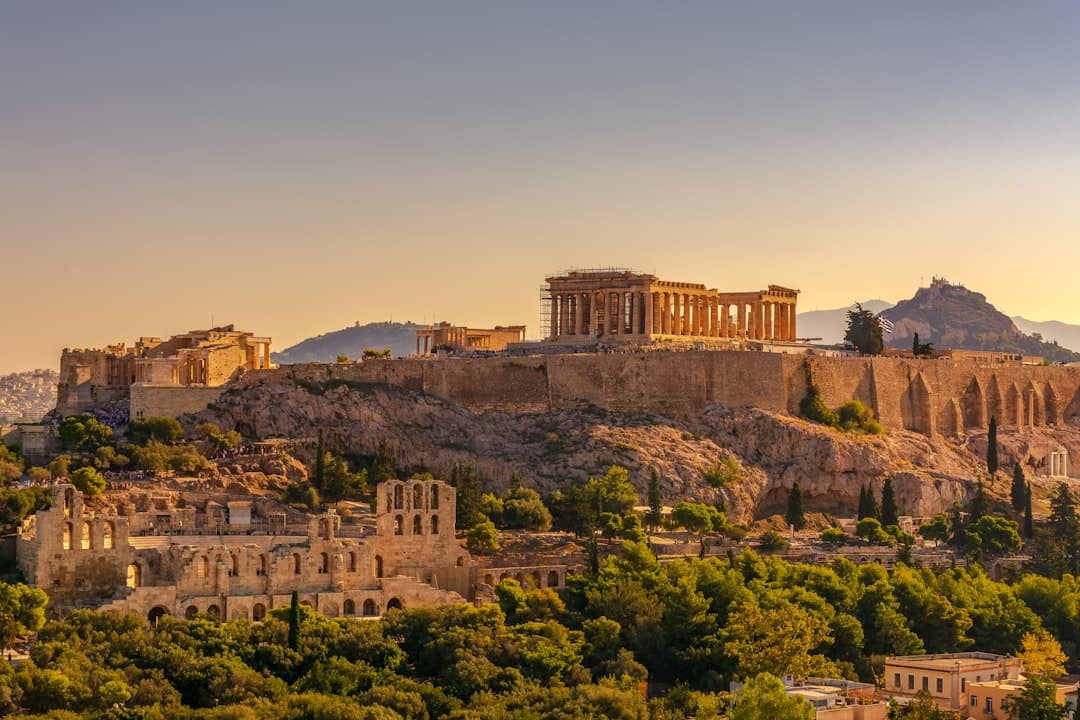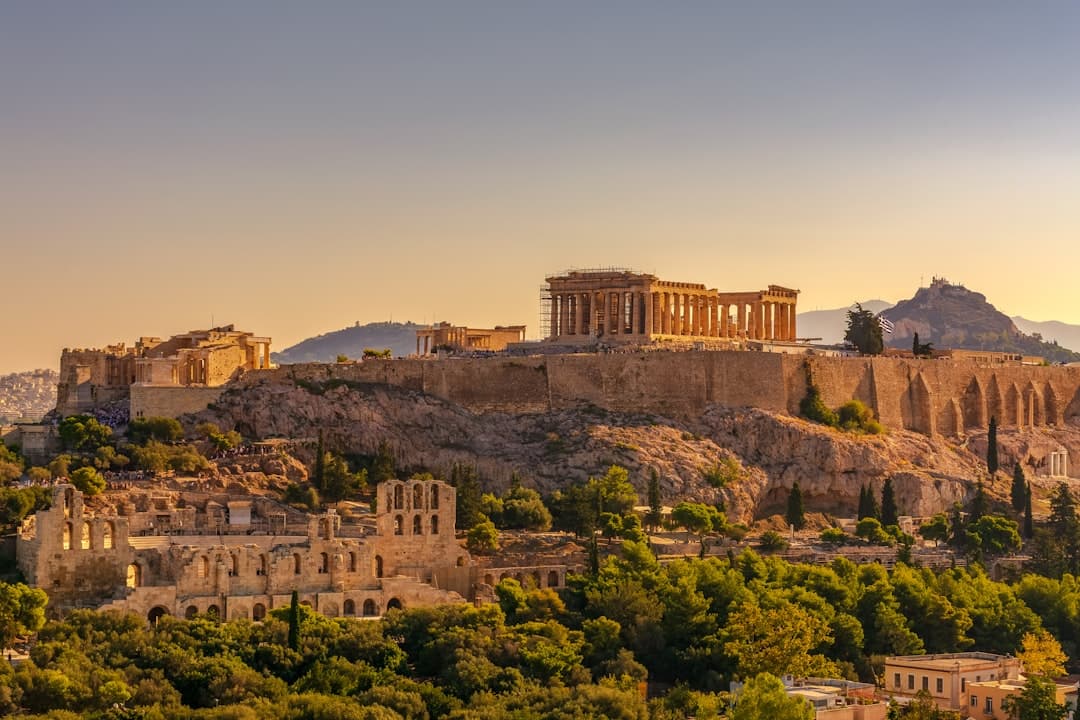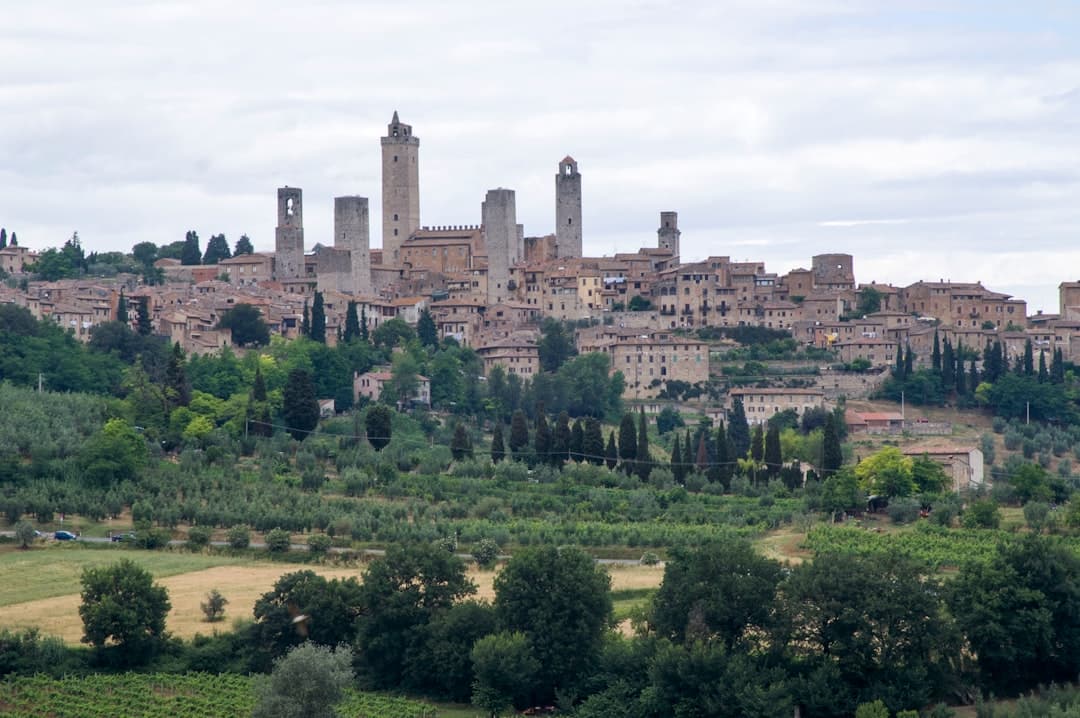
While Greece's Aegean islands dominate international tourism discussions, the country's highland interior contains a network of villages that have retained their traditional character across generations. Built largely from local slate and limestone, these settlements reflect construction techniques and communal planning developed during the Ottoman period and earlier.
Zagori: A Protected Cultural Landscape
The Zagori region in northwestern Greece encompasses dozens of villages — known collectively as the Zagochoria — many of which fall within or adjacent to the Vikos-Aoös National Park. The area is recognized for its arched stone bridges, cobblestone pathways, and mansion-style architecture, locally referred to as archontika. The Greek state and European Union heritage programs have directed preservation funding toward the region over several decades.
Pelion and the Legacy of the Centaurs
On the eastern edge of Thessaly, the Pelion peninsula rises steeply above the Aegean and Pagasetic Gulf. Its villages, including Makrinitsa and Vizitsa, are listed as traditional settlements under Greek law, placing restrictions on new construction to maintain their historical appearance. The forested slopes and cool summers have historically made Pelion a retreat for residents of nearby Volos.
Epirus and Living Craftsmanship
The Epirus region, bordering Albania to the north, is associated with a long tradition of stone masonry. Craftsmen from this area — historically known as mpalatziades — built structures across the Balkans and broader Ottoman Empire. Some villages in the region continue to maintain active craft workshops and local festivals tied to seasonal agricultural cycles.
Infrastructure and Access
Road connections to many highland villages have improved significantly in recent decades, making previously remote areas more accessible. Regional airports in Ioannina and Volos provide entry points for international visitors. The Greek National Tourism Organisation promotes mountain destinations as part of broader efforts to distribute visitor traffic beyond coastal hotspots and extend the tourism season into spring and autumn months.
Open Questions
Long-term questions remain around balancing preservation mandates with the economic needs of permanent residents, many of whom have migrated to urban centers over the past half-century, leaving villages partially depopulated during winter months.
Sources: Greek National Tourism Organisation (gnto.gr), Vikos-Aoös National Park administration, UNESCO World Heritage documentation on vernacular architecture, European Commission regional development funding records.
This article is based on a verified primary source. The text was editorially reviewed and fact-checked prior to publication.