Situated at the heart of Central Europe, the Czech Republic occupies a strategic position that makes it reachable from most major European cities within two hours by air. Prague's Václav Havel Airport serves connections from across the continent, while the city also sits along well-established rail and road corridors linking Germany, Austria, and Poland.
Prague as an Architectural Showcase
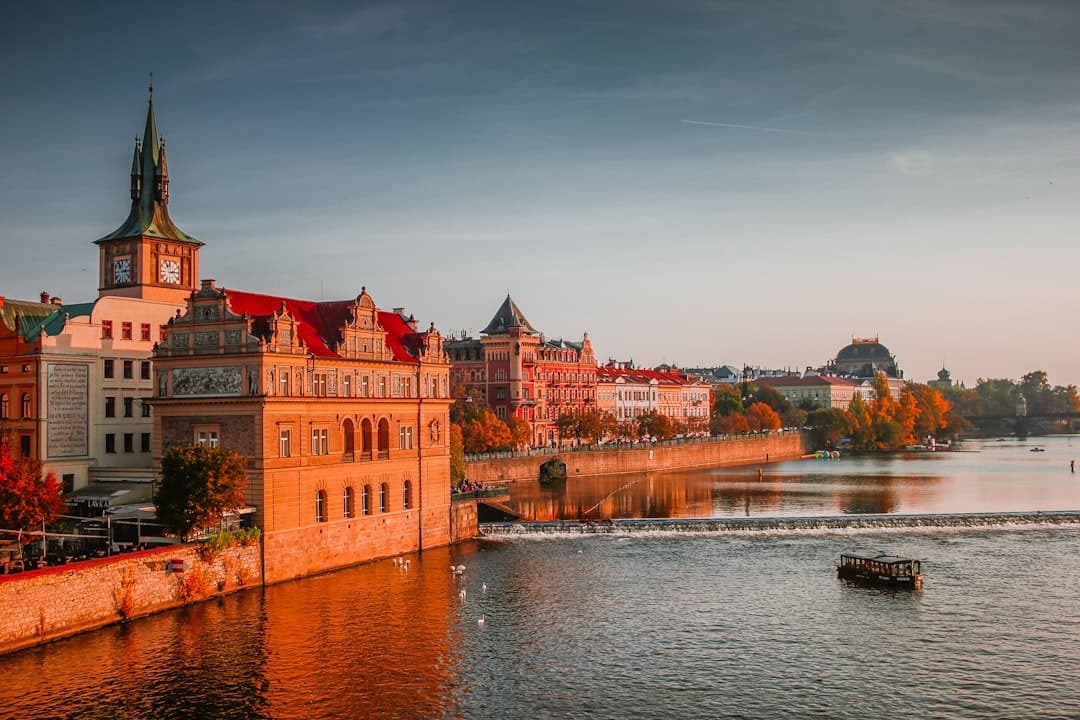
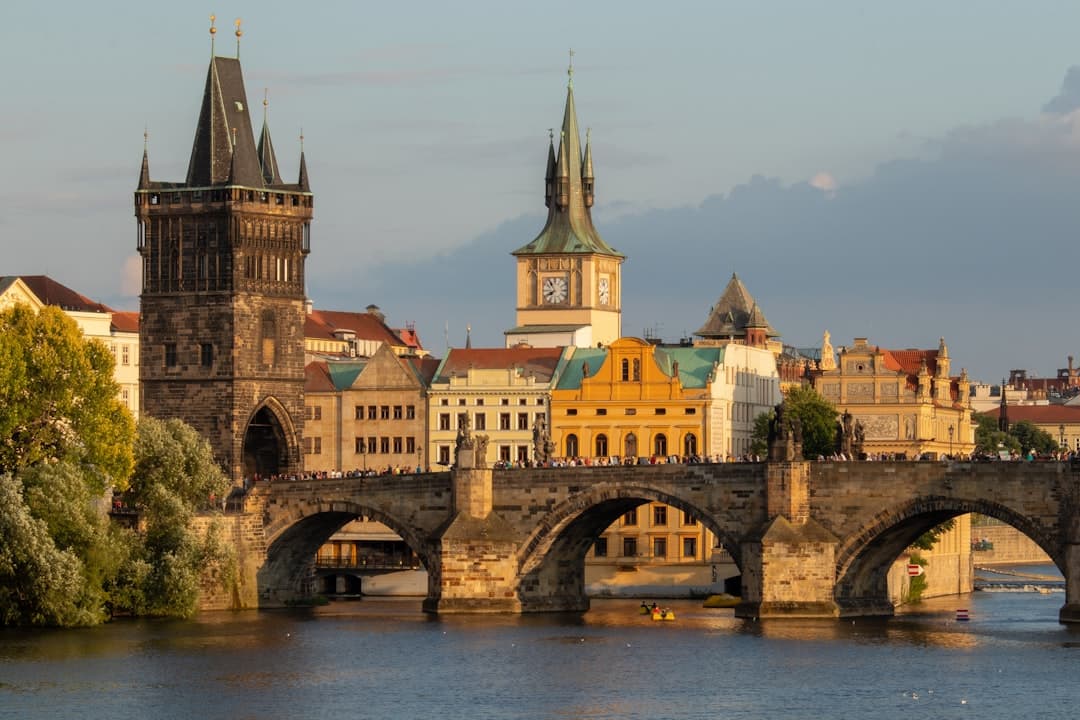
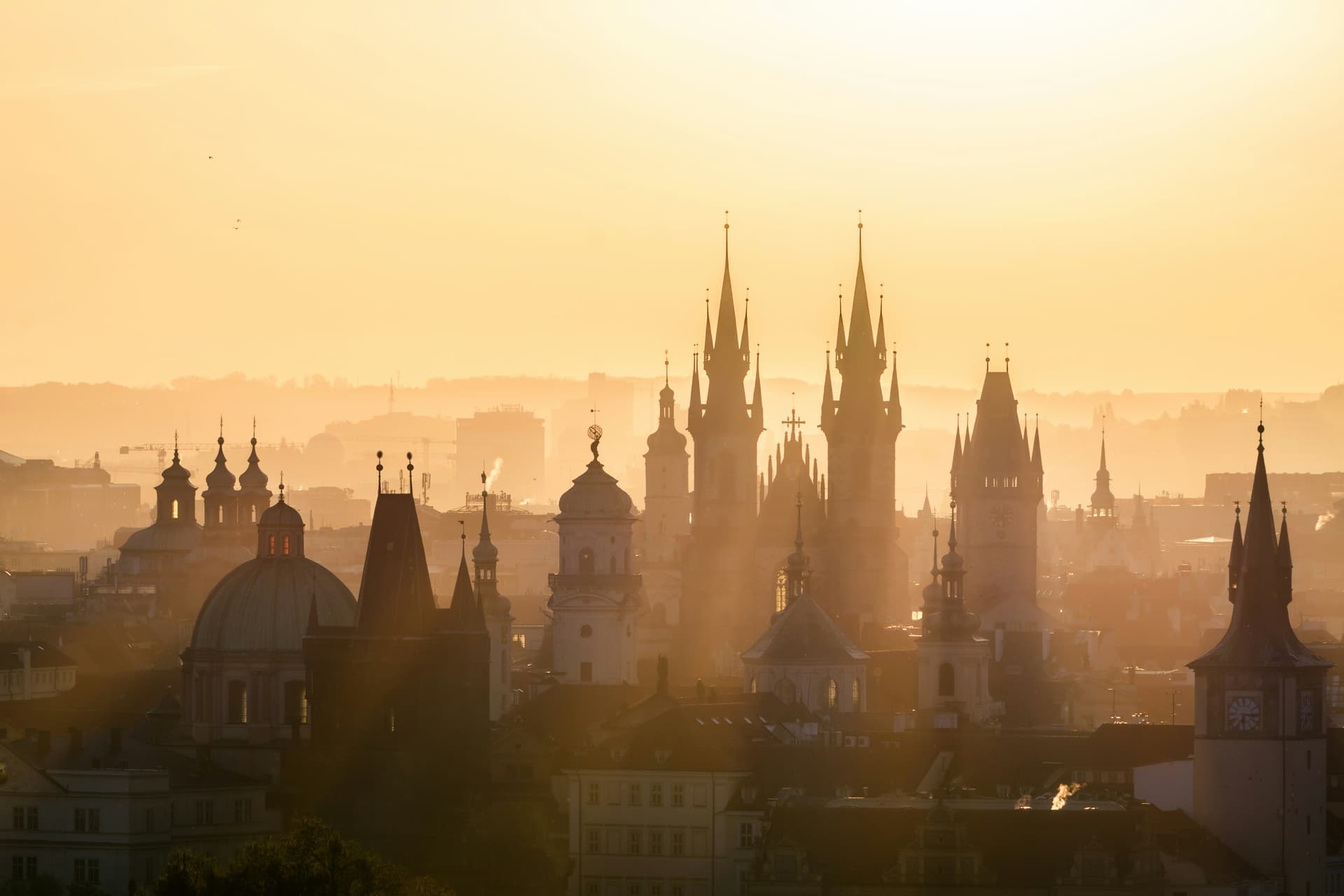
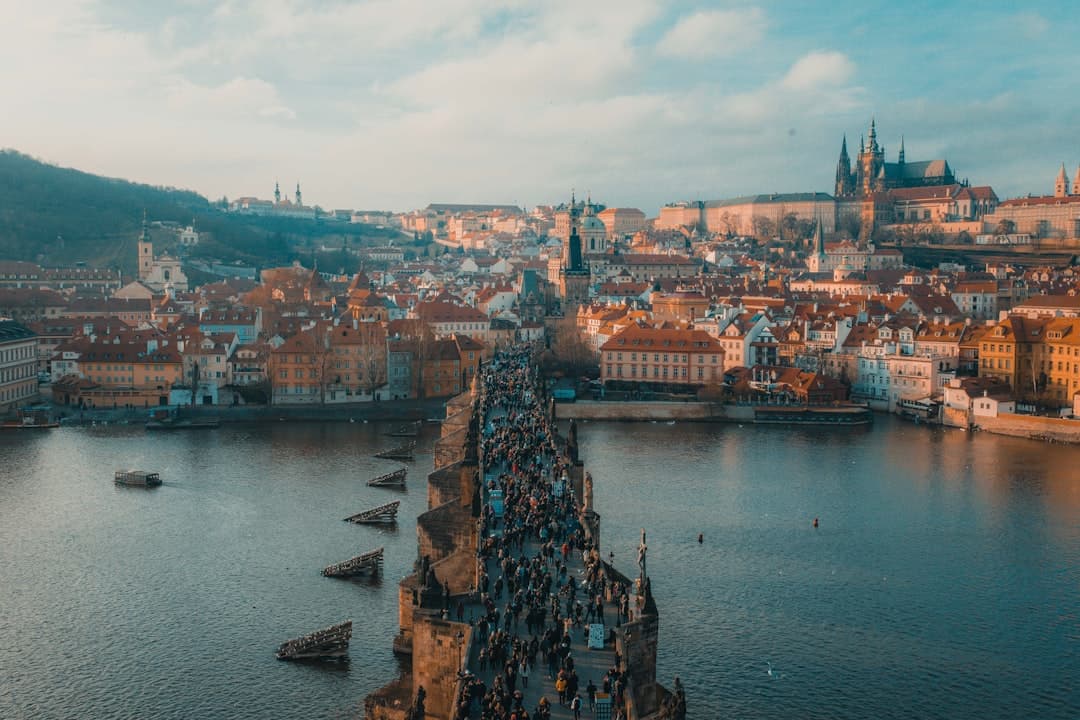
The capital, Prague, contains one of Europe's best-preserved medieval city centres. The historic core — encompassing Prague Castle, Charles Bridge, and the Old Town Square — holds UNESCO World Heritage status. The concentration of Romanesque, Gothic, Baroque, and Art Nouveau architecture within a walkable area means visitors can cover significant cultural ground without extensive transport.
Beyond the Capital
The Czech Republic's appeal extends well beyond Prague. The western Bohemian spa triangle — comprising Karlovy Vary, Mariánské Lázně, and Františkovy Lázně — was inscribed on the UNESCO World Heritage List in 2021, recognising its exceptional 19th-century spa urbanism. The Moravian city of Brno functions as the country's second-largest urban centre and hosts a notable modernist heritage, including the Villa Tugendhat, another UNESCO-listed site.
Cost and Accessibility
The Czech Republic retains its own currency, the Czech koruna, which has historically made the country more affordable for visitors travelling with euros or pounds sterling. Accommodation, dining, and public transport costs remain comparatively lower than in Western European capitals, a factor that contributes to its popularity among budget-conscious travellers and those seeking longer stays at reduced overall expenditure.
Cultural Infrastructure
The country maintains a dense network of museums, concert halls, and galleries. Prague alone houses major institutions covering Czech history, fine art, and the performing arts, with the National Theatre and the Rudolfinum representing centrepieces of the city's cultural calendar. Beer culture also plays a documented role in Czech tourism, with Bohemian brewing traditions dating back several centuries and Pilsner originating in the city of Plzeň.
Open Questions
Whether smaller Czech cities such as Olomouc and Český Krumlov can absorb growing visitor numbers without straining local infrastructure remains an ongoing policy consideration for regional authorities.
Sources: UNESCO World Heritage List (whc.unesco.org), Czech Tourism Authority (czechtourism.com), Václav Havel Airport Prague (prg.aero)
This article is based on a verified primary source. The text was editorially reviewed and fact-checked prior to publication.