Poland has long maintained a deep cultural relationship with bread. Rye-based loaves, sourdough fermentation, and regional baking traditions rooted in rural communities have been central to Polish foodways for centuries. What has shifted in recent years is the visibility of these practices on the international stage.
A Craft With Deep Roots
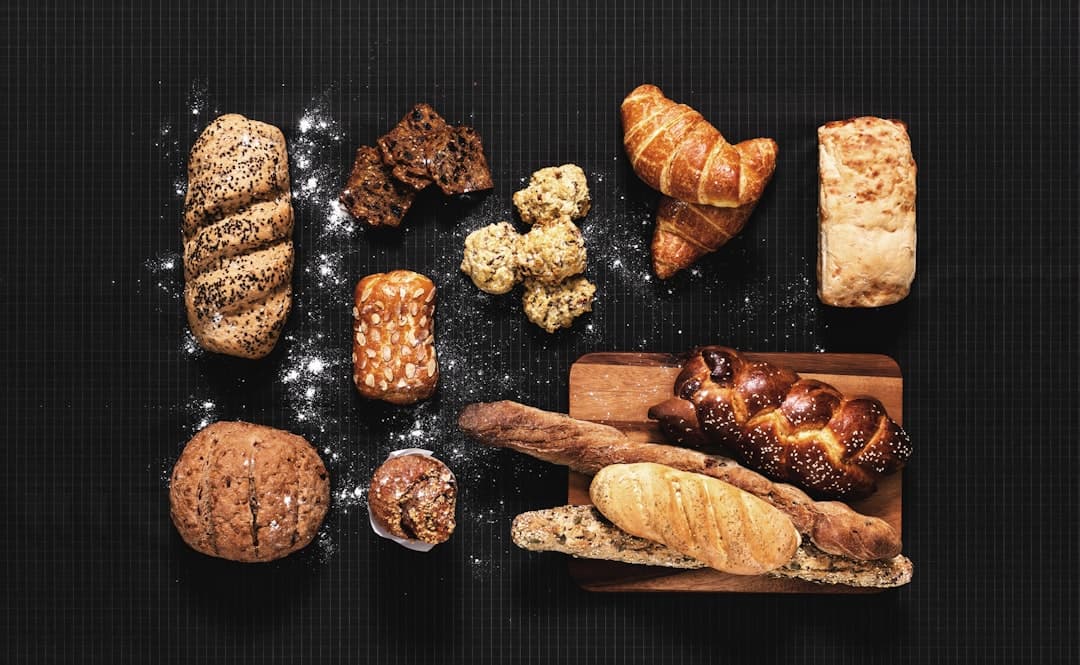
Polish bakers working in the artisan tradition typically draw on long-fermentation techniques, stone milling, and heritage grain varieties. Breads such as chleb żytni — a dense, dark rye loaf — and regional specialties from areas like Podhale and Mazovia carry distinct flavor profiles that have begun attracting attention from food writers, chefs, and culinary travelers from Western Europe and North America.
The broader European appetite for fermented and minimally processed foods has created a context in which Polish baking traditions align naturally with current consumer trends. Sourdough cultures maintained across generations, combined with access to domestic rye and wheat varieties, give Polish artisan bakers a distinctive foundation.
Urban Bakeries and Rural Revival
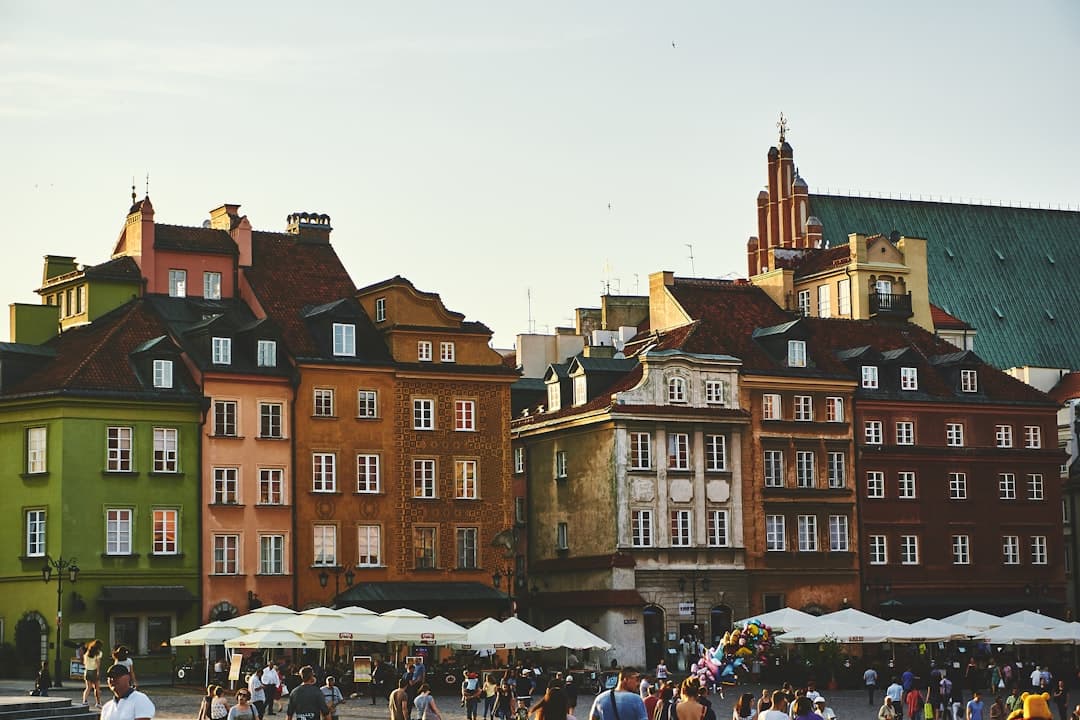
Cities including Warsaw, Kraków, and Wrocław have seen a measurable expansion of craft bakeries, many of which explicitly reference regional heritage in their sourcing and methods. Simultaneously, rural producers have found new markets through farmers' markets, direct sales, and export-oriented specialty food distributors.
Polish participation in international baking competitions and culinary festivals has grown, with several bakeries and individual bakers receiving recognition from European food organizations. Trade publications focused on artisan food have featured Polish producers with increasing regularity.
Challenges and Infrastructure
Scaling artisan production without compromising quality remains a consistent challenge. Access to heritage grain varieties, while improving, is not uniform across regions. Distribution infrastructure for small producers looking to reach foreign markets also remains an area of ongoing development.
Despite these constraints, the international profile of Polish craft baking continues to rise, supported by a combination of cultural pride, culinary tourism, and a growing global interest in traditional fermentation and grain diversity.
Open Questions
Whether Poland will develop a formal certification or designation-of-origin system for its regional bread varieties — similar to frameworks existing in France or Germany — remains an open question with implications for both domestic producers and export markets.
Sources: Slow Food International, European Bakers Association public communications, culinary tourism reports from the Polish Tourism Organisation, food media coverage in Saveur and similar publications.
This article is based on a verified primary source. The text was editorially reviewed and fact-checked prior to publication.