Spain's food culture has long been recognized as one of Europe's most varied, with each autonomous community maintaining culinary traditions shaped by local geography, history, and agriculture. This regional diversity has increasingly positioned the country as a destination for travelers whose primary motivation is gastronomic exploration.
A Geography of Distinct Food Cultures
The Basque Country, in northern Spain, draws visitors through its concentration of Michelin-starred restaurants and the deeply embedded pintxos tradition found throughout San Sebastián and Bilbao. Catalonia, meanwhile, offers a cuisine rooted in Mediterranean ingredients and techniques, with Barcelona serving as a gateway to broader Catalan food culture.
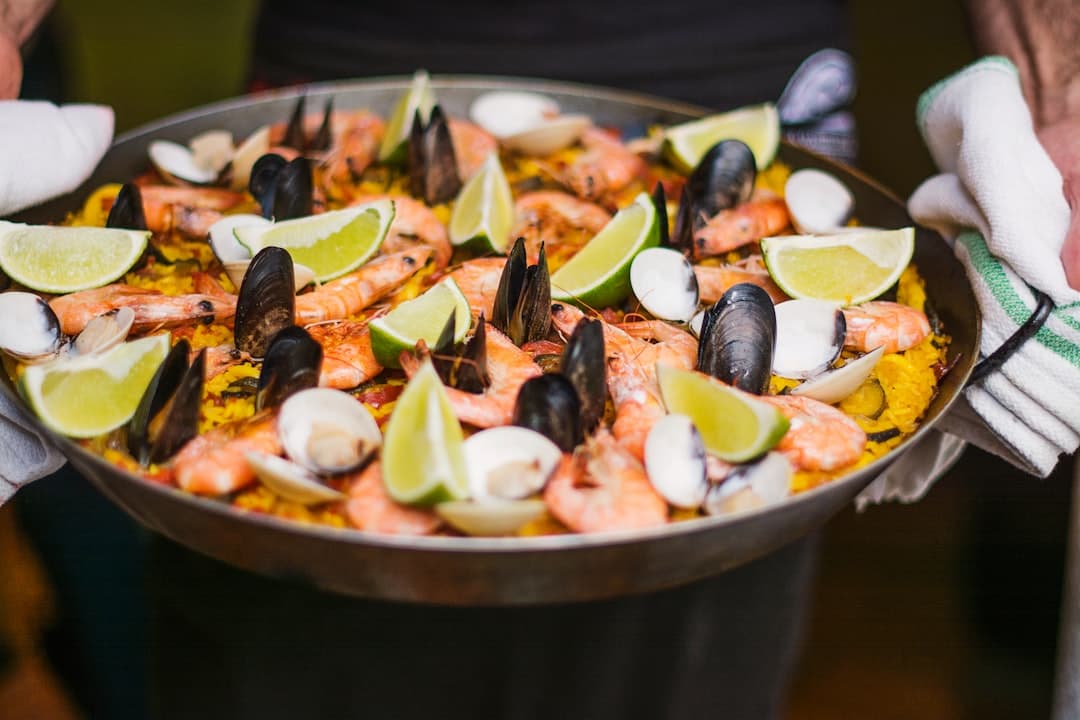
Further south, Andalusia is associated with dishes such as gazpacho and salmorejo, both reflections of the region's hot climate and abundant produce. Valencia holds international recognition as the origin of paella, a dish that continues to attract food-focused tourists to the region's rice-growing areas along the coast and inland.
Rural Areas Benefit from Gastro-Tourism
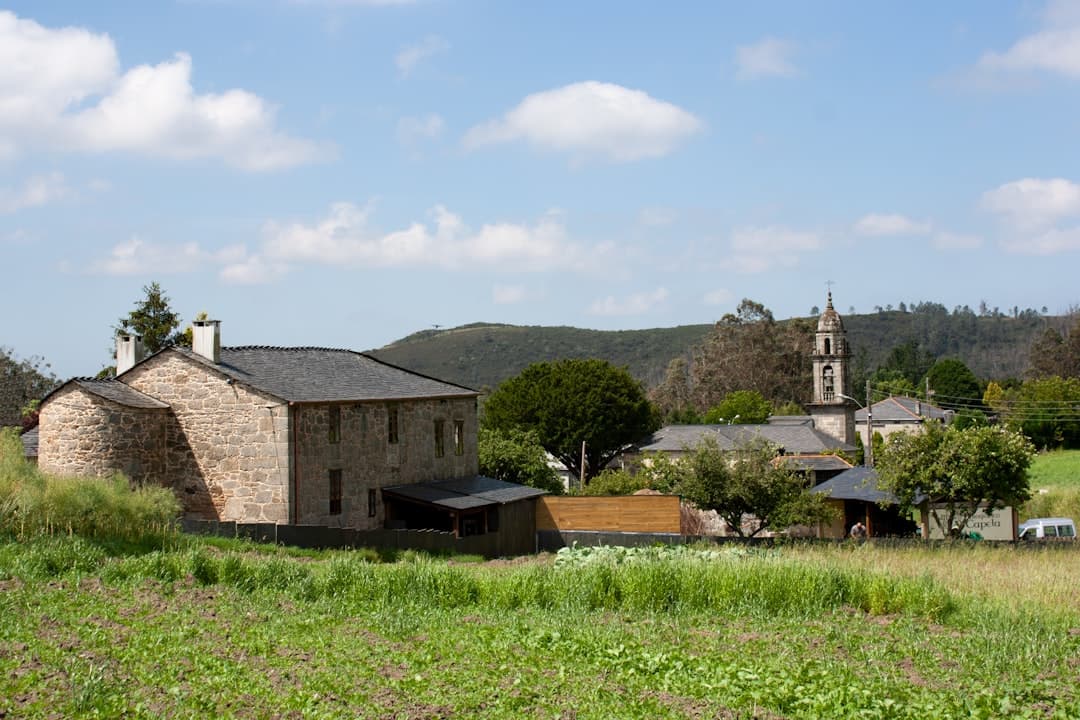
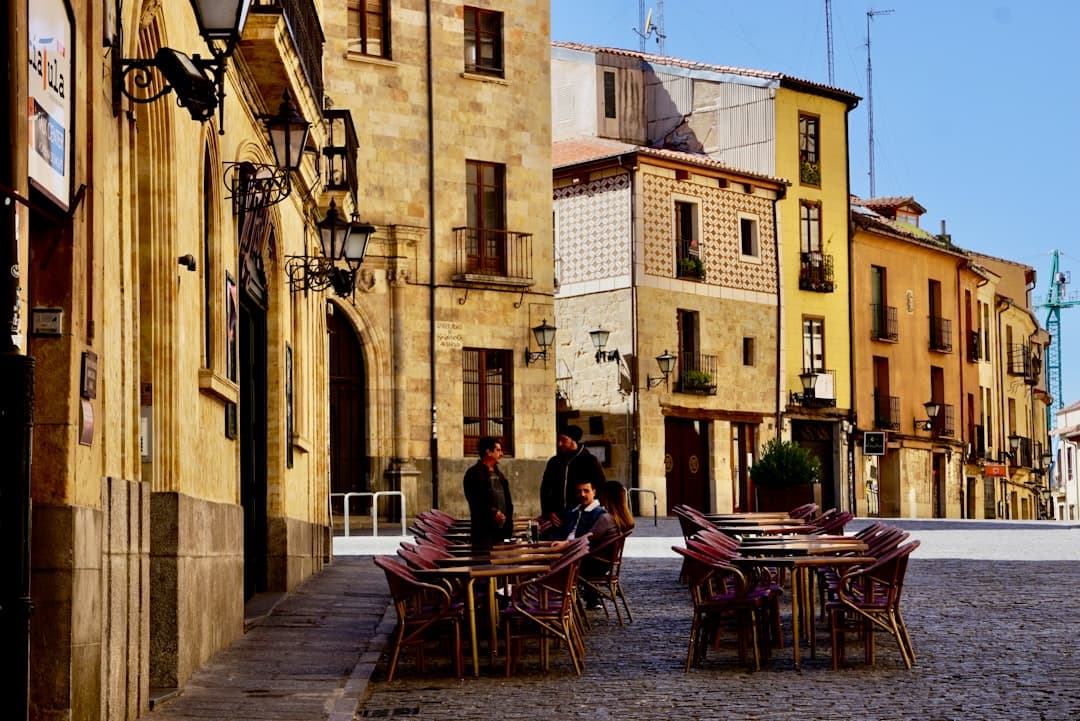
The appetite for authentic regional cooking has extended beyond major urban centers. Smaller towns and rural municipalities across Extremadura, Castile and León, and Galicia have seen growing visitor interest connected to local specialties — including Iberian pork products, roasted lamb, and seafood traditions shaped by Atlantic coastal geography.
Spain's network of food festivals, local markets, and denominaciones de origen — protected designations covering products such as wines, cheeses, and olive oils — provides infrastructure that supports culinary travel across regions that might otherwise attract fewer international visitors.
Institutional Recognition
Spain's tourism authorities and regional governments have actively promoted gastronomy as part of broader destination marketing strategies. Several Spanish cities hold or have held the designation of European Region of Gastronomy, a title awarded by the International Centre of Gastronomy, Culture, Resources and Technologies.
Open Questions
Whether smaller inland regions can sustain increased visitor interest without straining local food production systems remains an open question. The long-term balance between culinary authenticity and the demands of mass tourism also continues to be a subject of discussion among regional planners and food producers.
Sources: Spain's Turespaña (national tourism body), Michelin Guide, European Region of Gastronomy program (IGCAT), UNESCO Creative Cities of Gastronomy network
This article is based on a verified primary source. The text was editorially reviewed and fact-checked prior to publication.