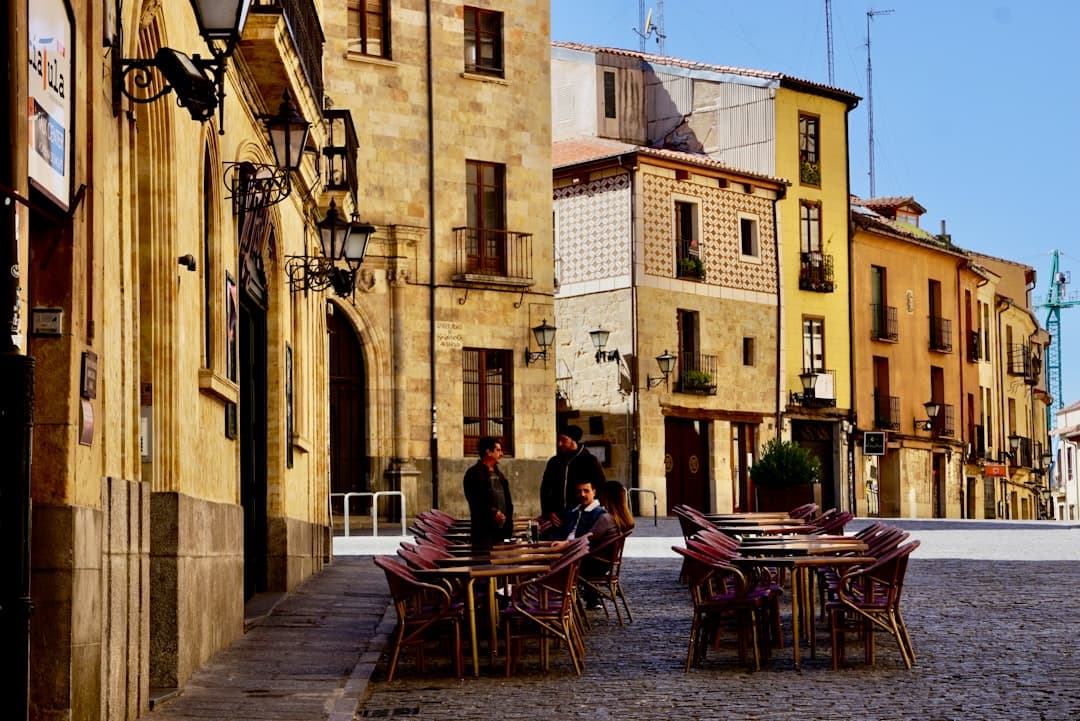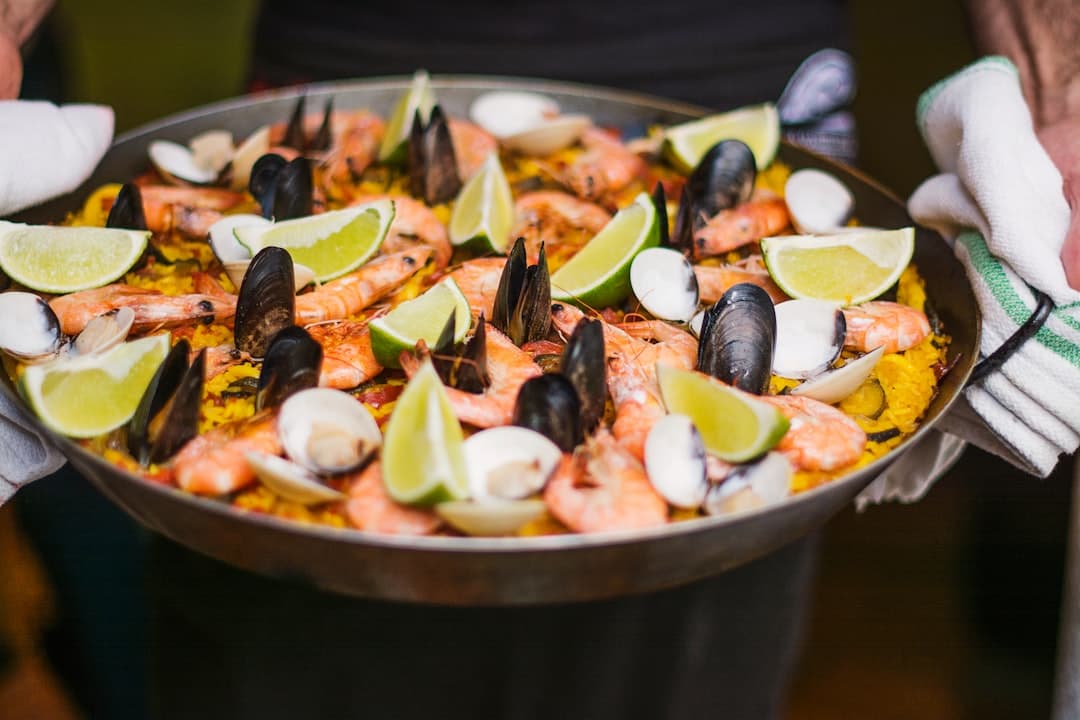
Spain's relationship with the sea stretches back centuries, and nowhere is this more evident than in the food culture of its Atlantic-facing regions. Galicia, the Basque Country, and Asturias each maintain distinct seafood traditions that have traveled well beyond the Iberian Peninsula, carried by migration, trade, and culinary exchange.
Galicia as a Culinary Anchor
Galicia, situated in Spain's northwest corner, is widely recognized across Europe as one of the continent's premier sources of shellfish and fresh fish. The region's rías — coastal inlets fed by Atlantic currents — produce mussels, clams, and percebes (goose barnacles) that are distributed to markets across the European Union. Galician octopus preparations, particularly pulpo a la gallega, have become familiar dishes in Spanish-speaking countries throughout Latin America.
Basque Influence on Atlantic Cuisine
The Basque Country's historic cod trade brought Iberian salting and preservation methods to the North Atlantic fishing grounds centuries before modern refrigeration existed. Salt cod, known as bacalao, became a staple ingredient across Portugal, Spain, and their former territories in the Americas and West Africa. Basque fishing fleets operated as far as Newfoundland, and the culinary imprint of those voyages remains detectable in the food traditions of communities along both sides of the Atlantic.
Contemporary Spread
Spanish restaurant culture has expanded considerably across major European capitals, bringing traditional seafood preparations into new markets. Cities including London, Paris, and Amsterdam have seen growth in establishments serving Galician and Basque-influenced dishes, introducing broader audiences to preparations centered on simplicity, fresh ingredients, and minimal processing — hallmarks of coastal Spanish cooking.
The migration of Spanish culinary workers and restaurateurs has also contributed to the standardization of certain techniques, including live shellfish service and wood-fired fish cookery, in markets where these practices were previously uncommon.
Open Questions
Whether the global expansion of Spanish seafood culture will affect sustainability pressures on species like percebes and wild-caught turbot remains a subject of ongoing discussion among marine conservationists and the fishing industry alike.
Sources: European Commission fisheries data, Galician Regional Government tourism and trade records, historical records on Basque Atlantic fishing routes (University of the Basque Country publications)
This article is based on a verified primary source. The text was editorially reviewed and fact-checked prior to publication.