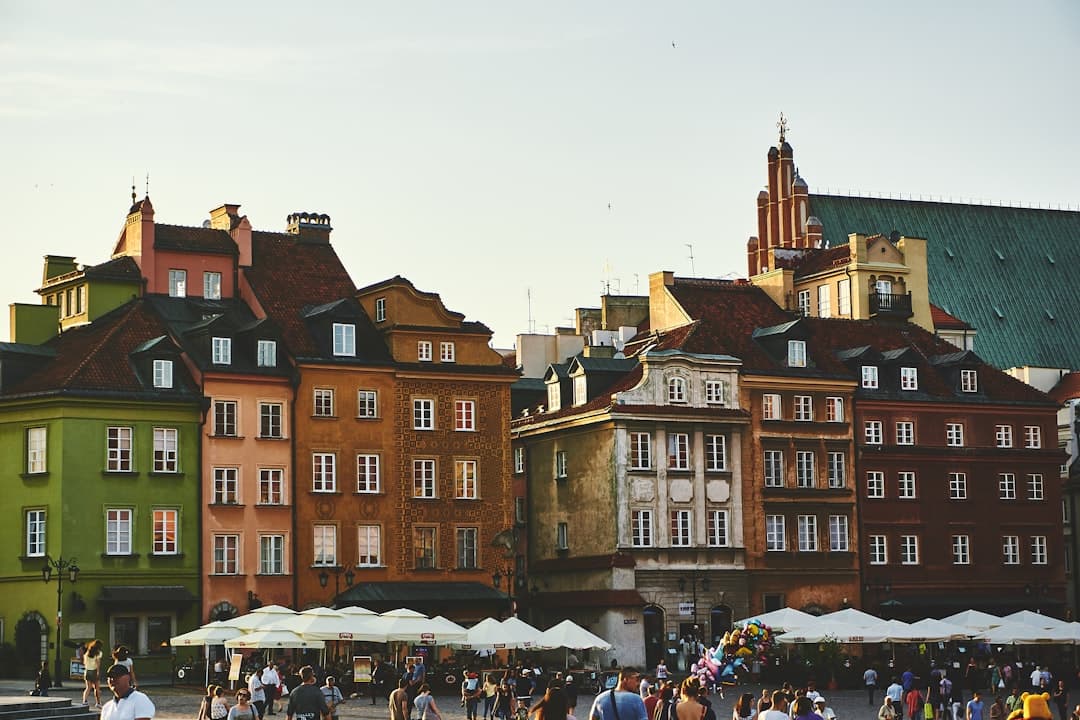
Poland's major historic cities are attracting a rising number of travelers whose itineraries center on food and drink, reflecting a broader European trend in which gastronomy functions as a primary motivation for travel rather than a secondary one.
Regional Cuisines Draw International Attention
Kraków, long established as Poland's cultural capital, has developed a dense network of restaurants, street food stalls, and guided culinary tours centered on dishes such as żurek, bigos, and oscypek — a smoked sheep's milk cheese protected under European Union geographical indication status. The city's Kazimierz district, historically the Jewish quarter, draws visitors interested in the intersection of Ashkenazi culinary heritage and contemporary Polish cooking.
In Gdańsk, the port city's Baltic location shapes a food culture oriented around freshwater and sea fish, amber beer, and influences from centuries of Hanseatic trade. The city's Long Market and surrounding streets host vendors and restaurants that present northern Polish cuisine to a growing international audience.
Wrocław, situated in the historically contested Silesian region, offers a culinary identity shaped by German, Czech, and Polish traditions. Its covered market hall, Hala Targowa, remains a functioning food market and has become a point of interest for visitors seeking locally sourced produce and regional specialties.
Infrastructure and Tour Operators Respond
Tour operators across Poland have expanded offerings that combine architectural sightseeing with food-related experiences, including cooking classes, market visits, and vodka or craft beer tastings. The Polish Tourism Organisation has identified gastronomy as a component of the country's broader cultural tourism promotion strategy.
The growth aligns with patterns documented across Central and Eastern Europe, where cities with strong historical identities are leveraging culinary heritage to diversify their appeal beyond monument-based tourism.
Open Questions
Whether smaller Polish cities and rural regions will develop comparable food tourism infrastructure, and how seasonal demand affects the sustainability of smaller culinary businesses, remain subjects of ongoing observation for regional tourism analysts.
Sources: Polish Tourism Organisation (pot.gov.pl), European Commission geographical indications registry, Hala Targowa Wrocław institutional records, European Travel Commission regional tourism reporting.
This article is based on a verified primary source. The text was editorially reviewed and fact-checked prior to publication.