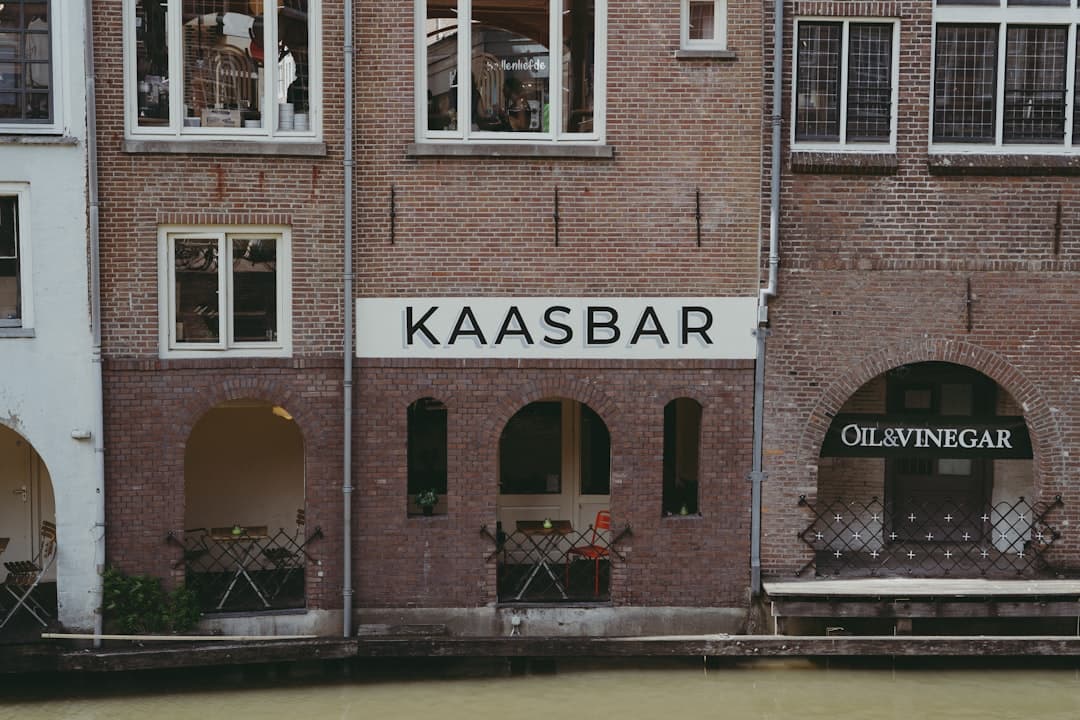
The culinary traditions of the Dutch coastline, historically shaped by centuries of North Sea fishing and maritime trade, have entered a broader global conversation about regional European food culture. Dishes and techniques once considered strictly local are now being examined and adopted by culinary communities across Europe and beyond.
A Cuisine Built on the Sea
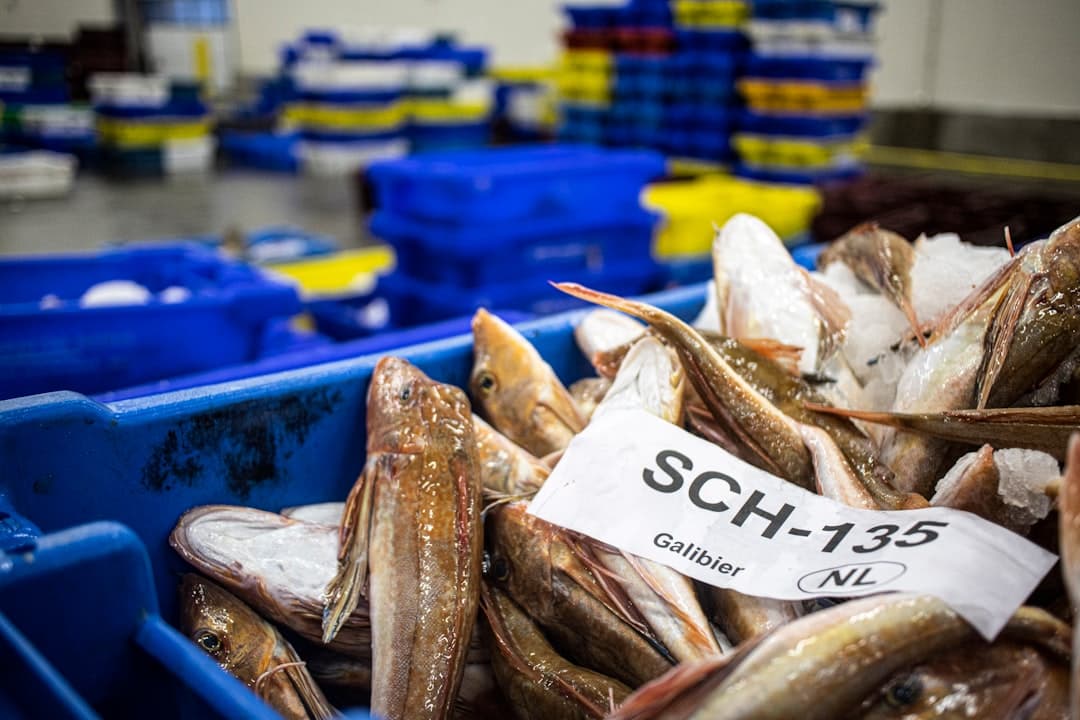
Dutch coastal cooking is grounded in a straightforward relationship with the North Sea's seasonal catch. Herring — consumed raw and cured in a style known as Hollandse Nieuwe — remains one of the most recognized elements of this tradition. Mussels cultivated in the Zeeland estuary region, smoked eel from inland waterways, and kibbeling, a battered white fish street food, represent the practical, ingredient-forward character of the cuisine.
The Netherlands has long maintained one of Europe's most active fishing industries, and its coastal communities developed preservation and preparation techniques adapted to both local abundance and trade demands. Pickling, smoking, and brining feature prominently across traditional recipes.
Growing Recognition Abroad
European food media and gastronomy guides have increasingly featured Dutch coastal dishes in recent years. Culinary schools and professional chefs in countries including Belgium, Germany, and the United Kingdom have incorporated Dutch techniques into curricula and menus, reflecting wider interest in northern European coastal food traditions.
Food tourism along the Dutch coast — particularly in regions such as Zeeland, South Holland, and the Wadden Sea area — has grown alongside this recognition. Local fish markets, traditional haringkar stalls, and specialized seafood restaurants have reported increased visits from international travelers specifically seeking regional food experiences.
Cultural and Historical Dimensions
Scholars of food history have connected Dutch coastal cuisine to the country's Golden Age trading networks, during which the Dutch herring industry played a significant role in European commerce. This historical depth has added academic as well as culinary interest to the subject.
The broader movement toward regional and hyper-local food traditions across Europe has created favorable conditions for cuisines like those of the Dutch coast to gain wider audiences, positioning them alongside better-known Nordic and Atlantic culinary traditions.
Open Questions
Whether formal institutional recognition — such as UNESCO intangible heritage designation or protected geographical indicators for specific Dutch seafood products — will follow remains an open matter. The long-term sustainability of the North Sea fishing stocks that underpin these traditions also presents an ongoing consideration for the cuisine's future.
Sources: Netherlands Board of Tourism and Conventions (NBTC); European Maritime and Fisheries Fund documentation; Slow Food International regional product listings; FAO North Sea fisheries reports.
This article is based on a verified primary source. The text was editorially reviewed and fact-checked prior to publication.