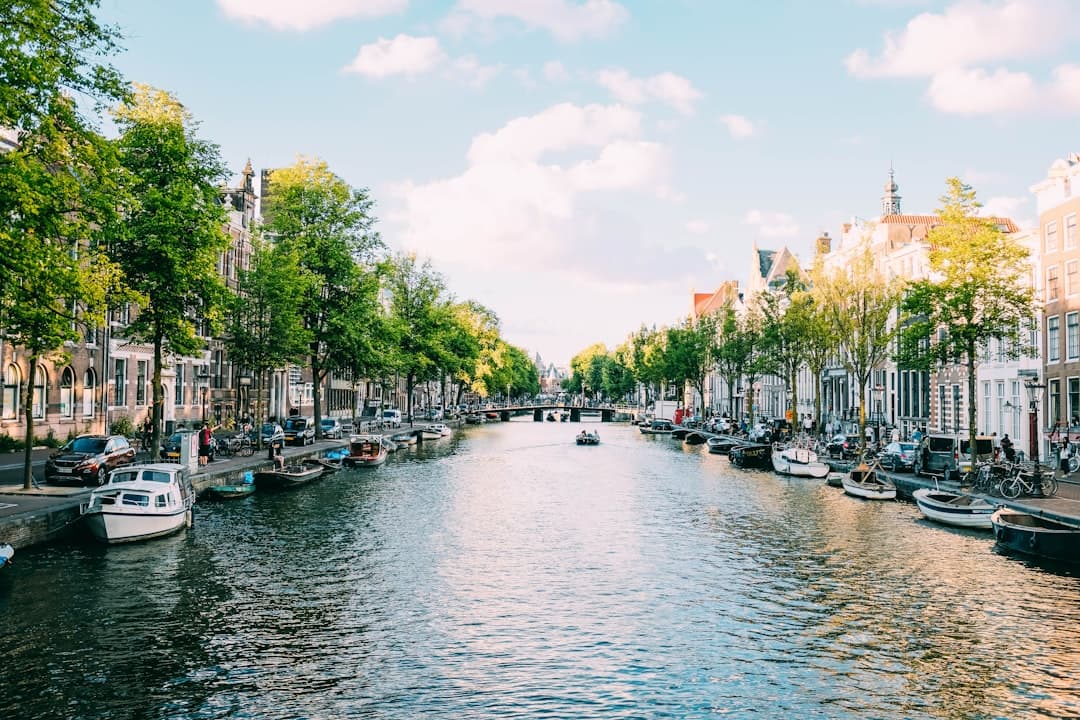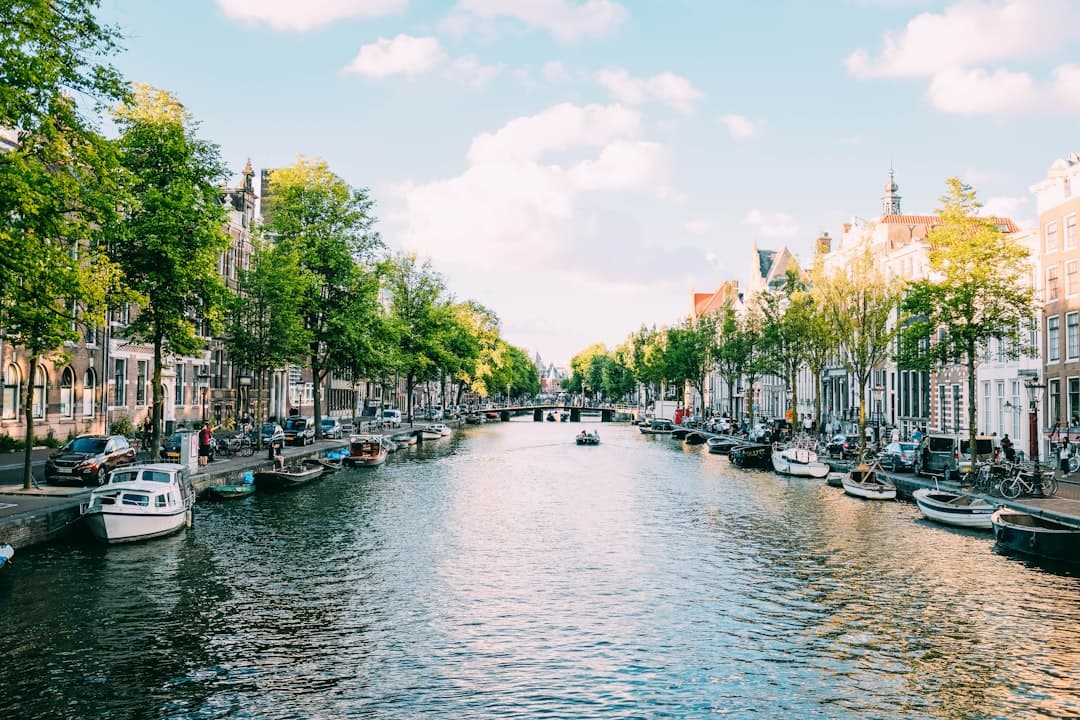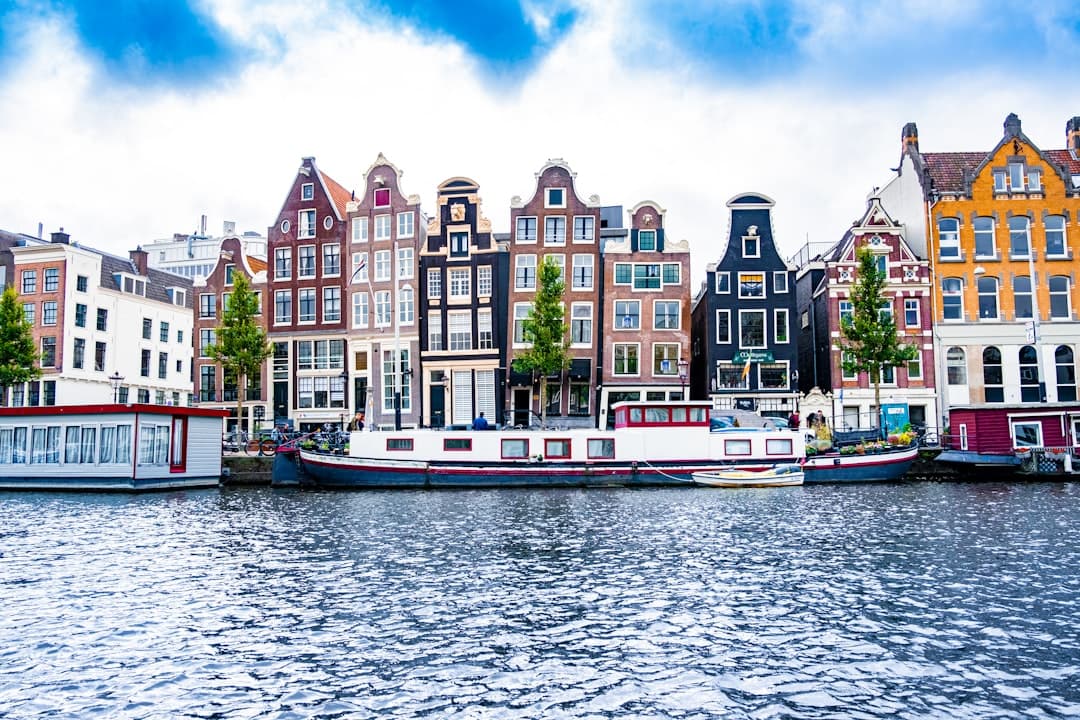
The Netherlands holds one of the densest inland waterway networks in Europe, a legacy of centuries-old water management that once served commerce and flood control. That same infrastructure is now attracting a growing segment of travelers who prefer a deliberate, low-speed approach to exploring the country.
A Network Built for Navigation
The Dutch canal system stretches across thousands of kilometres, connecting cities such as Amsterdam, Utrecht, Leiden, and Haarlem while threading through rural polders, nature reserves, and small historic towns. The waterways are maintained by regional water authorities and the national government, keeping them navigable for leisure craft as well as commercial vessels.
Canal boats, electric sloops, and traditional wooden vessels known as punters can be hired without a licence on many stretches of inland water, lowering the barrier for visitors unfamiliar with boating. Several operators along routes in Friesland and the Giethoorn area — sometimes described as a village without roads — offer multi-day itineraries that move between overnight moorings at a pace set by the traveler.
Infrastructure Supporting the Trend
Dutch marinas and waterside campsite facilities have expanded their services in recent years to accommodate leisure boaters. Cycling paths frequently run parallel to canal towpaths, allowing travelers to combine water travel with land excursions. The country's relatively flat terrain makes both modes accessible to a wide range of physical abilities.
Giethoorn in Overijssel province, where transport within the village relies almost entirely on boats and bicycles, has drawn international attention as an example of car-free travel. The area sees visitors from across Europe and beyond who arrive specifically for the waterborne experience.
Broader Context
The shift toward slow tourism reflects a wider pattern observed across Europe, where travelers increasingly seek experiences centred on local landscapes, reduced environmental impact, and extended engagement with a single destination rather than rapid multi-city itineraries. The Dutch waterway model, shaped by geography and history, positions the Netherlands as a natural setting for this approach.
Open Questions
Whether canal infrastructure can absorb sustained increases in leisure traffic without environmental strain, and how water-based tourism will be formally integrated into national tourism strategies, remain subjects for ongoing policy discussion.
Sources: Rijkswaterstaat (Dutch national water authority), Netherlands Board of Tourism & Conventions (NBTC), European waterways leisure travel documentation.
This article is based on a verified primary source. The text was editorially reviewed and fact-checked prior to publication.