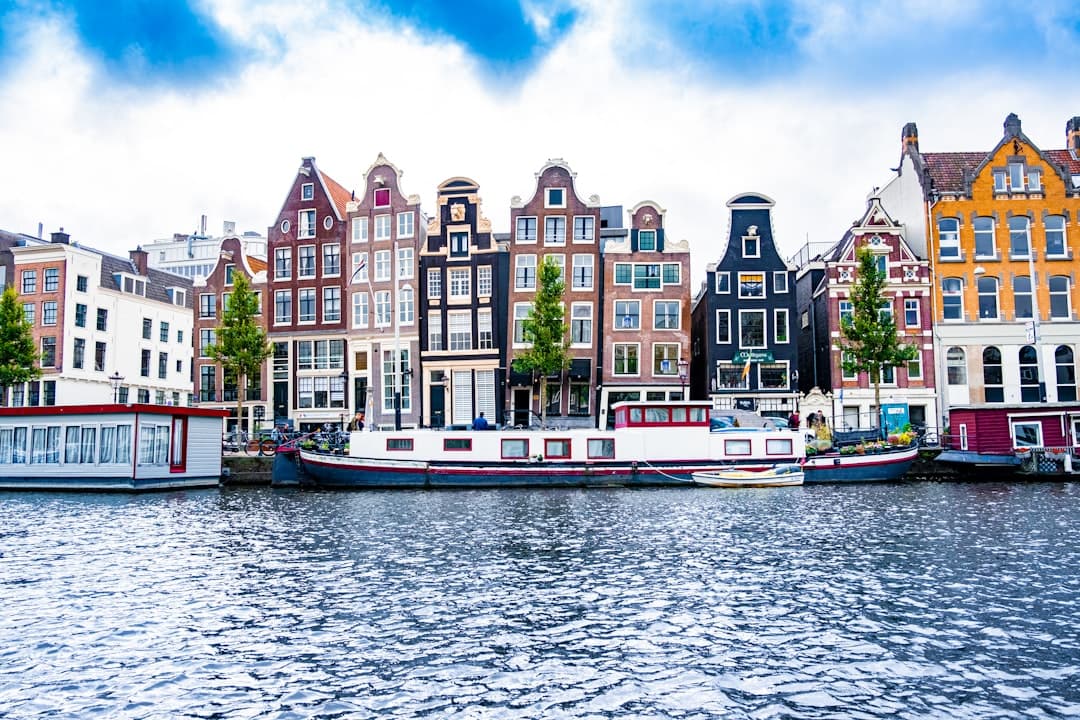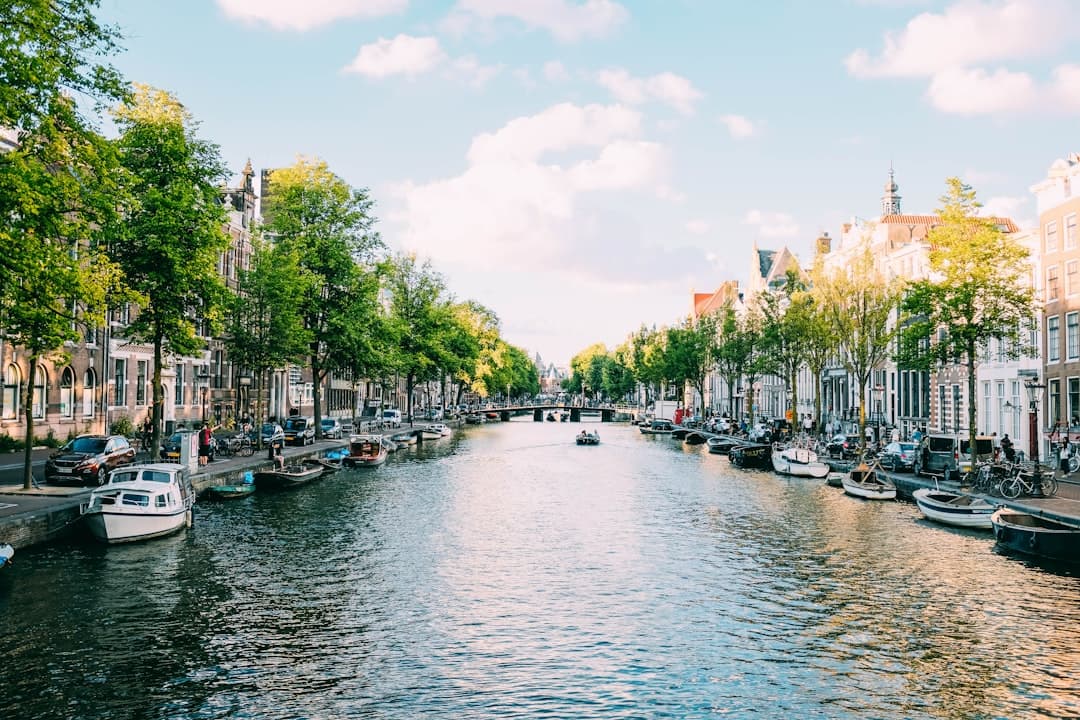
The Netherlands, long recognized as one of Europe's leading cheese producers, has formalized its dairy heritage into a network of culinary travel routes that guide visitors through cheesemaking regions stretching from North Holland to the polders of South Holland and beyond.
A Landscape Shaped by Dairy
Dutch cheese production has roots reaching back to the medieval period, when Gouda and Edam emerged as trade commodities shipped across European waterways. The towns of Gouda and Alkmaar both maintain traditional cheese markets that operate on historical protocols, with wheel-weighing ceremonies and guild-costumed handlers drawing visitors during the warmer months. These markets are among the most visited agritourism attractions in the country.
Farm Visits and Regional Routes
Beyond the markets, a growing number of working dairy farms across the provinces of Noord-Holland, Zuid-Holland, and Friesland have opened their operations to visitors. Travelers can observe the production process from milking to aging, and purchase wheels directly from producers. Regional tourism bodies have coordinated mapped routes that connect farms, artisan shops, and rural restaurants specializing in local dairy products.
Varieties as Cultural Identity
The Netherlands produces a range of protected designation cheeses, including Gouda Holland and Edam Holland, both of which carry European Union geographical indication status. This legal protection ties the products to specific geographic origins and traditional methods, reinforcing the cultural narrative that cheese trail operators present to visitors.
Broader Agritourism Trend
The Dutch cheese trail model reflects a wider European pattern in which agricultural regions reframe food production as a tourism asset. Countries including France, Italy, and Switzerland have pursued similar strategies around wine, olive oil, and alpine cheese traditions. The Netherlands positions its flat, canal-laced dairy landscape as a distinct alternative within that competitive market.
Open Questions
Whether smaller, independent cheesemakers can sustain tourism infrastructure alongside production demands remains an ongoing consideration for regional planners. The seasonal concentration of visitors to historic markets also raises questions about year-round economic viability for rural participants in these routes.
Sources: Netherlands Board of Tourism and Conventions (NBTC), European Commission geographical indications registry, Gouda and Alkmaar municipal tourism offices.
This article is based on a verified primary source. The text was editorially reviewed and fact-checked prior to publication.