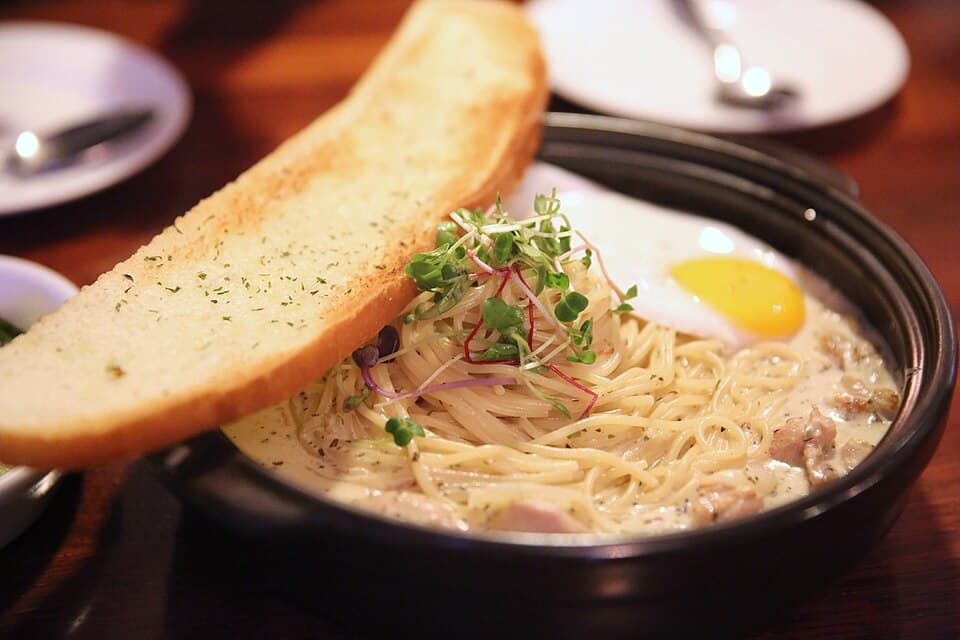
A recipe combining chicken, sun-dried tomatoes, cream, and pasta in a single cooking vessel has become one of the more recognisable dishes to emerge from the social media-driven food culture of recent years. Known widely as 'Marry Me Chicken Pasta,' the dish has moved beyond online platforms to appear on menus at casual dining establishments and in published cookbooks across Europe.
Origins and Name
The dish takes its name from the popular claim that it is compelling enough to prompt a marriage proposal from anyone who tastes it. While the precise origin of the name remains disputed among food historians and bloggers alike, variations of the core recipe — chicken braised in a cream and tomato-based sauce — have existed in Italian-American cooking for decades. The one-pot adaptation, which incorporates uncooked pasta directly into the sauce during preparation, represents a more recent development shaped largely by home cooking trends prioritising convenience and minimal washing up.
Key Ingredients and Technique
The dish relies on a relatively short list of ingredients common to Southern European pantries. Sun-dried tomatoes, a staple associated with Italian and wider Mediterranean cuisine, form the flavour backbone of the sauce alongside heavy cream or double cream, garlic, chicken stock, and Parmesan cheese. Dried herbs such as oregano, thyme, and basil are typically incorporated, with fresh basil often added at serving.
The one-pot method involves searing bone-in or boneless chicken thighs or breasts in olive oil, then building the sauce in the same pan before adding uncooked pasta and sufficient liquid to allow it to cook through as the sauce reduces. The starch released by the pasta during cooking contributes to the sauce's characteristic thickness, eliminating the need for a separate thickening agent.
Popularity Across Europe
The recipe's spread across European domestic cooking reflects broader shifts in how home cooks discover and adopt new dishes. Platforms focused on short-form video content have played a significant role in distributing the recipe to audiences in the United Kingdom, Germany, France, the Netherlands, and Scandinavia. Food writers in several European countries have published their own regional adaptations, incorporating locally sourced cheeses or substituting ingredients to reflect national taste preferences.
In the United Kingdom, the dish has appeared consistently among trending searches on major recipe websites for several consecutive seasons. Supermarkets in Britain and Germany have responded by bundling relevant ingredients — sun-dried tomatoes, cream, and specific pasta shapes — in promotional displays tied to the recipe's visibility online.
Nutritional and Dietary Considerations
The dish is calorically dense due to its cream and cheese content, placing it in a category of comfort food rather than light everyday eating. Adaptations circulating online include versions using coconut cream or cashew-based sauces for dairy-free diets, as well as substitutions of legume-based pasta for those following gluten-free regimens. Protein content remains high across most versions given the central role of chicken.
Cultural Positioning
Food sociologists have observed that dishes with memorable or emotionally resonant names tend to achieve stronger recall and sharing rates across digital platforms. The 'Marry Me' framing positions the recipe within a tradition of food as an expression of care and affection — a concept deeply embedded in European culinary culture, from French cuisine bourgeoise to the Italian notion of cucina povera elevated through skill and quality ingredients.
The dish occupies a space between aspirational and accessible cooking: achievable by cooks with limited experience, yet visually and gastronomically satisfying enough to serve at a dinner party. This positioning has contributed to its durability as a recipe trend well beyond the typical short lifespan of viral food moments.
Open Questions
Whether the dish will achieve lasting status as a recognised classic in European culinary tradition, or remain associated primarily with a particular era of social media food culture, remains to be seen. The extent to which professional chefs will formally incorporate it into restaurant menus beyond casual dining also remains an open question.
Sources: Food history archives, European supermarket trend reporting, culinary platform search data, published cookbooks and food media outlets.
This article is based on a verified primary source. The text was editorially reviewed and fact-checked prior to publication.


