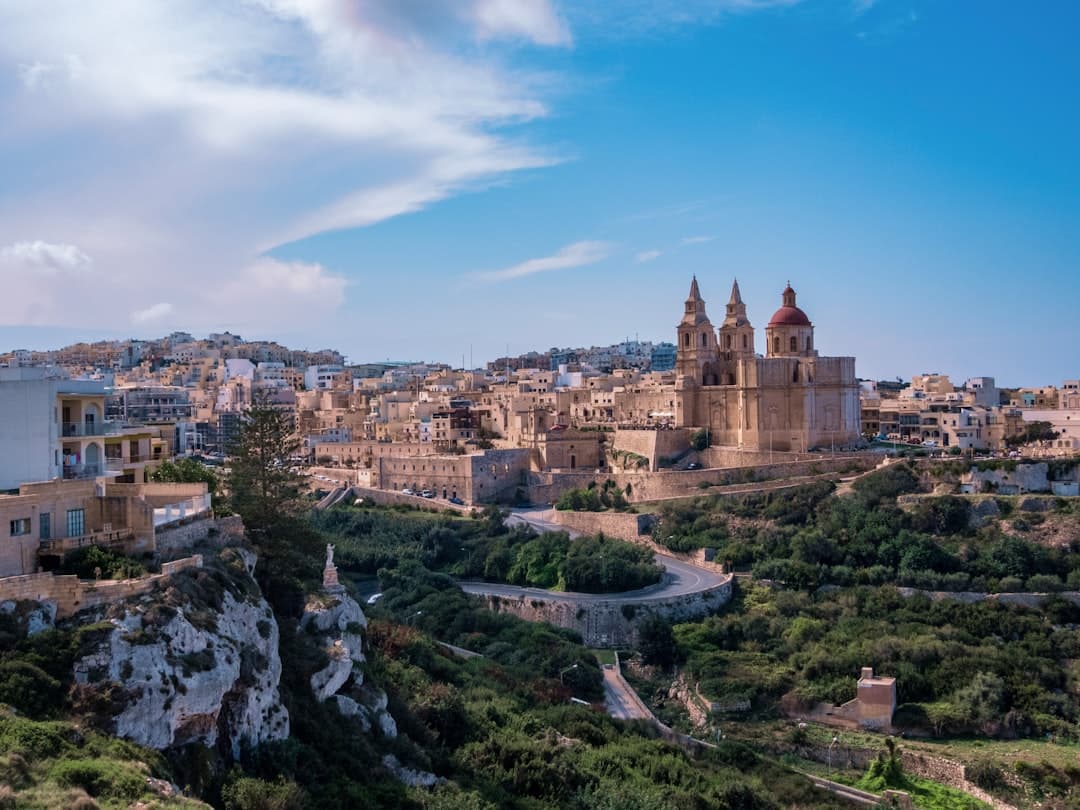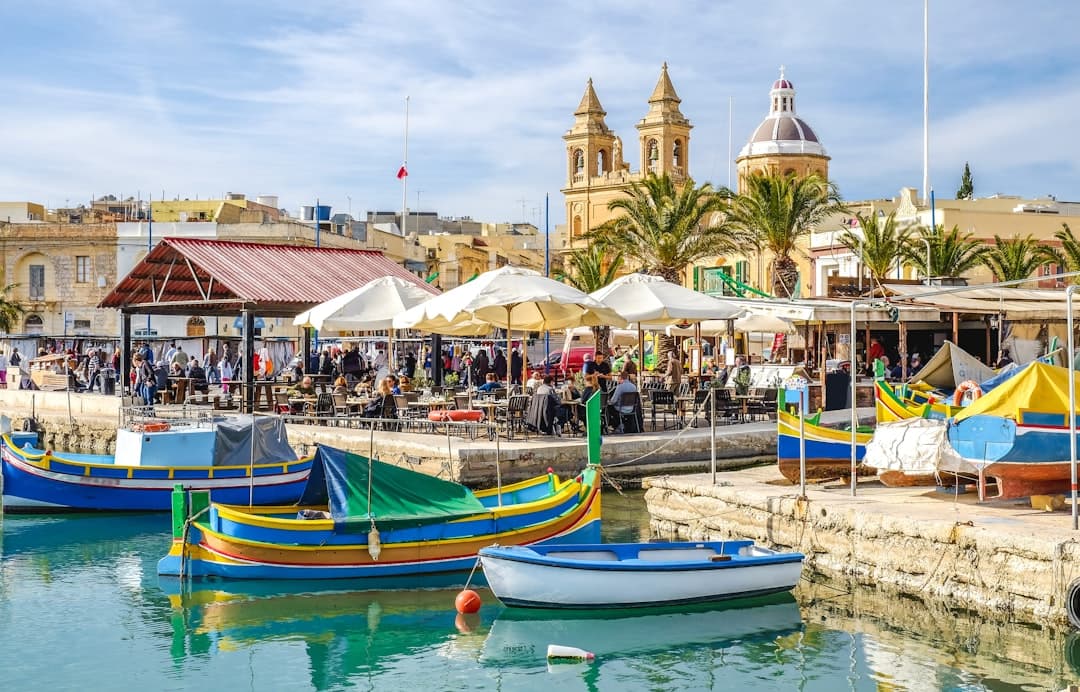
Valletta, founded by the Knights of St. John in the sixteenth century, occupies a strategically compact peninsula on the northeastern coast of Malta. Despite its modest geographic footprint, the city contains one of the highest concentrations of historic monuments and baroque architecture per square kilometre in Europe.
A Legacy Rooted in Stone and History
The city was inscribed as a UNESCO World Heritage Site in 1980, a recognition tied to its well-preserved urban fabric, fortifications, and public spaces that reflect layers of Maltese, Arabic, Norman, and Baroque influence. Landmarks such as St. John's Co-Cathedral, the Grandmaster's Palace, and the network of bastions overlooking the Grand Harbour remain central draws for researchers, architects, and visitors alike.
European Capital of Culture
In 2018, Valletta held the title of European Capital of Culture, a designation awarded by the European Union to cities selected for their cultural significance and programming ambitions. The title brought an expanded calendar of artistic events, infrastructure investment, and broader international visibility to the Maltese capital. The programme drew on themes of identity, memory, and the island's crossroads position between southern Europe and North Africa.
Institutions and Ongoing Cultural Activity
The city is home to several established cultural institutions, including MUZA — the Malta National Community Art Museum — which reopened in a restored building within the city centre following renovation work. The Valletta 2018 Foundation transitioned into a legacy organisation to sustain cultural programming beyond the capital year. The Malta Philharmonic Orchestra, based in Valletta, continues to anchor the city's performing arts offering.
Regional Significance
Malta's position in the central Mediterranean has historically made Valletta a meeting point for trade, diplomacy, and artistic exchange. Scholars and cultural institutions across Europe have pointed to the city as an example of how a small-scale urban environment can sustain a disproportionately rich cultural identity over centuries.
Open Questions
How Valletta balances increased cultural tourism with the preservation of its residential communities and historic fabric remains an ongoing policy discussion within Malta's planning and heritage bodies.
Sources: UNESCO World Heritage List, European Commission European Capitals of Culture programme, Heritage Malta, Malta Philharmonic Orchestra official records, Valletta 2018 Foundation documentation.
This article is based on a verified primary source. The text was editorially reviewed and fact-checked prior to publication.