Across Spain's diverse regions, annual festivals function as more than seasonal gatherings. They represent carefully maintained links to pre-industrial customs, religious traditions, and communal memory that have survived through centuries of social and political change.
Regional Diversity and Cultural Specificity
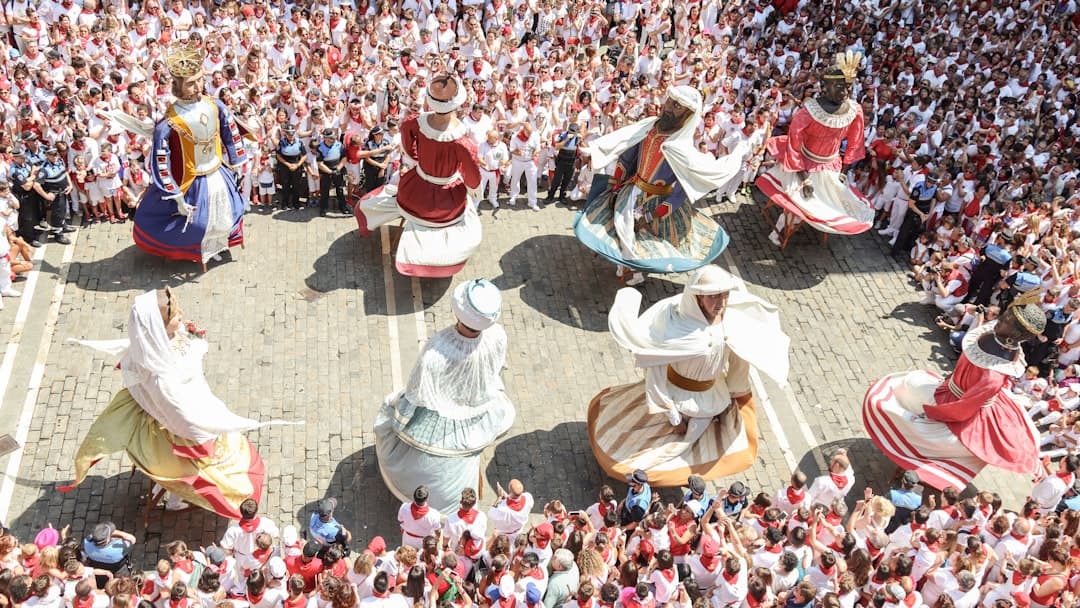
Spain's festival landscape reflects the country's layered history. Valencia's Las Fallas, recognized by UNESCO as Intangible Cultural Heritage of Humanity, involves the construction and ceremonial burning of elaborate satirical sculptures. Pamplona's San Fermín encierro, the running of the bulls, traces its origins to medieval livestock trading practices. Catalonia's human tower competitions, known as castells, similarly carry UNESCO recognition and remain central to regional civic identity.
Each event is governed by local organizations, guilds, or brotherhoods that transmit specific knowledge across generations. Participation is frequently structured around age groups, apprenticeship, and community roles, ensuring that skills and ceremonial knowledge pass from older practitioners to younger members.
Cultural Continuity and Institutional Support
Spanish municipal and regional governments allocate funding to support festival infrastructure and preservation efforts. Cultural ministries at both national and autonomous community levels have developed frameworks to document and protect intangible heritage practices, aligning with broader European Union cultural policy objectives.
Academic institutions and ethnographic researchers also contribute to documentation efforts, maintaining archives of music, costume, liturgical text, and ritual procedure associated with individual festivals.
Tourism and Authenticity
The international profile of several Spanish festivals has grown significantly in recent decades, raising ongoing discussions among local authorities and cultural bodies about managing visitor numbers while preserving the participatory character of events. Festival organizations in several cities have introduced measures to prioritize resident involvement over spectator access in core ceremonial elements.
The tension between cultural preservation and cultural tourism remains a structural challenge common across European heritage festivals, and Spain's experience is frequently cited in comparative policy discussions at the European level.
Open Questions
How do smaller, lesser-known regional festivals without UNESCO recognition secure institutional support? To what extent do diaspora communities abroad maintain parallel versions of these traditions, and how do those versions relate to their Spanish counterparts?
Sources: UNESCO Intangible Cultural Heritage Lists; Spanish Ministry of Culture and Sport; European Commission cultural heritage policy documentation; regional tourism boards of Valencia, Navarra, and Catalonia.
This article is based on a verified primary source. The text was editorially reviewed and fact-checked prior to publication.