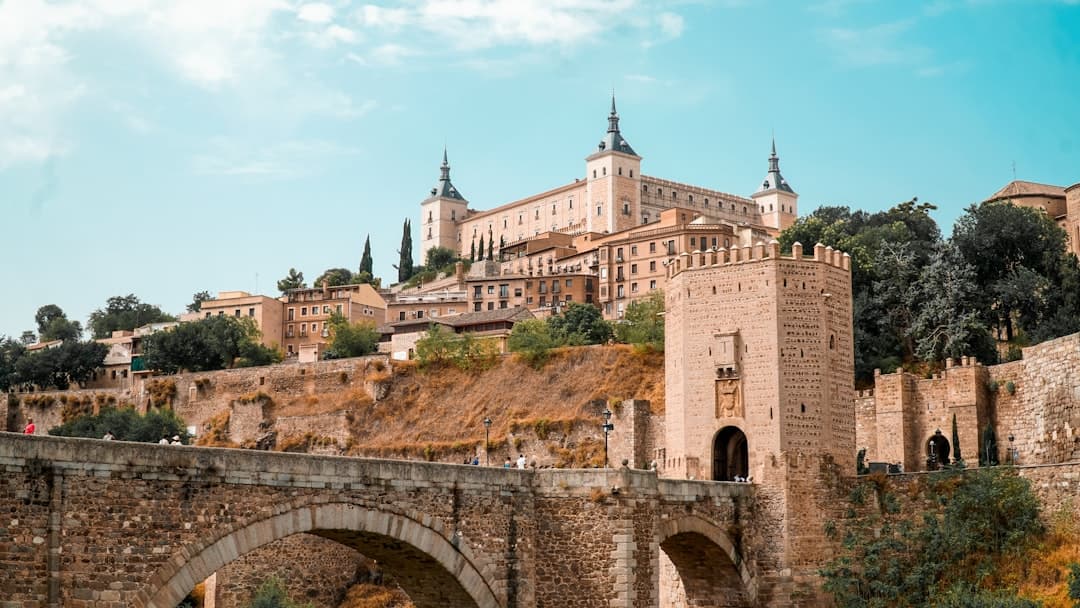
Spain ranks among the top countries globally for the number of UNESCO World Heritage designations, with sites spanning natural landscapes, historic city centres, and prehistoric monuments. From the Alhambra in Granada to the works of Antoni Gaudí in Barcelona and the prehistoric rock art of the Mediterranean Basin, the breadth of recognized heritage reflects centuries of layered civilizations across the Iberian Peninsula.
Heritage Status as a Tourism Catalyst
UNESCO designation formally acknowledges a site's outstanding universal value and typically brings sustained international attention. For Spain, these designations have translated into measurable increases in visitor traffic to regions that might otherwise receive less tourism infrastructure investment. Cities such as Salamanca, Cáceres, and Córdoba have developed cultural tourism economies substantially shaped by their listed historic centres.
Regional governments have channeled funding into preservation, visitor management, and interpretive infrastructure at these sites, recognizing that heritage tourism tends to attract visitors who stay longer and spend more than average tourists. The designation also supports year-round tourism, partially offsetting Spain's traditional reliance on coastal summer visitors.
Challenges of Managing High-Volume Heritage Tourism
Increased visitor numbers at UNESCO-listed sites create tensions between accessibility and conservation. Authorities at several Spanish sites have introduced timed entry systems, visitor caps, and pedestrian flow controls to reduce physical wear on fragile structures and historic streetscapes. The management of sites like the Sagrada Família and the Doñana National Park illustrates the ongoing balance between economic benefit and long-term preservation obligations.
Spain's engagement with the UNESCO World Heritage framework also carries diplomatic and soft-power dimensions, reinforcing the country's cultural profile within international institutions and among European partners.
Open Questions
How will Spain's heritage site management policies evolve as visitor volumes continue to grow? Can smaller, lesser-known UNESCO sites be promoted to reduce pressure on flagship destinations? What role will digital and virtual access play in future heritage tourism strategies?
Sources: UNESCO World Heritage List (whc.unesco.org), Spain's Ministry of Tourism, Regional tourism boards of Andalusia, Catalonia, and Castile and León.
This article is based on a verified primary source. The text was editorially reviewed and fact-checked prior to publication.