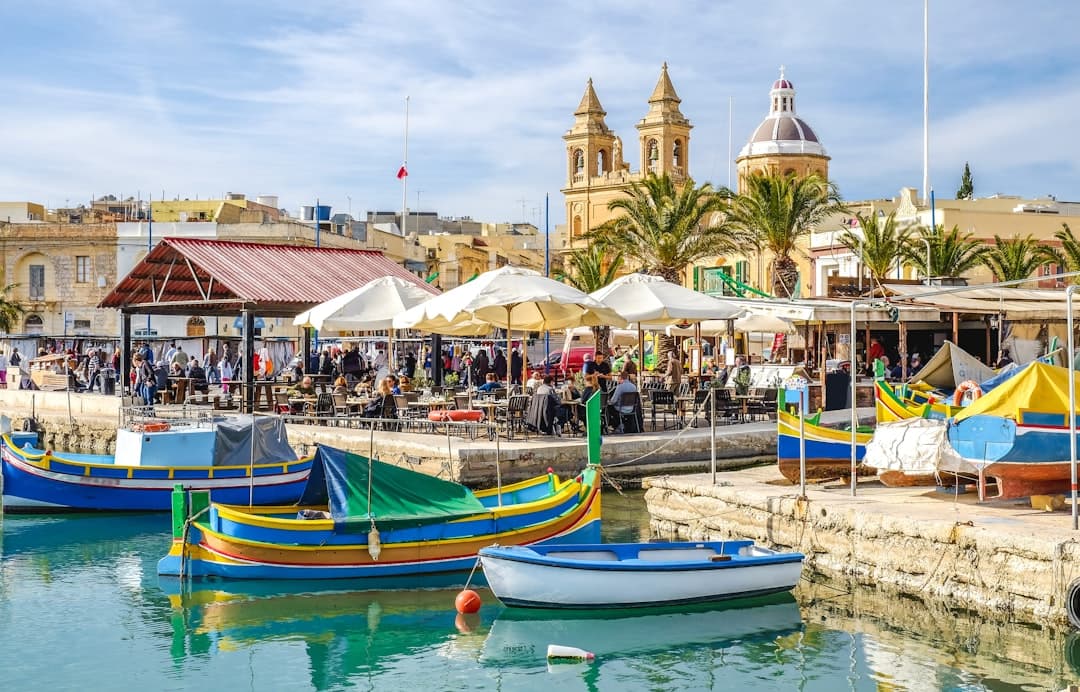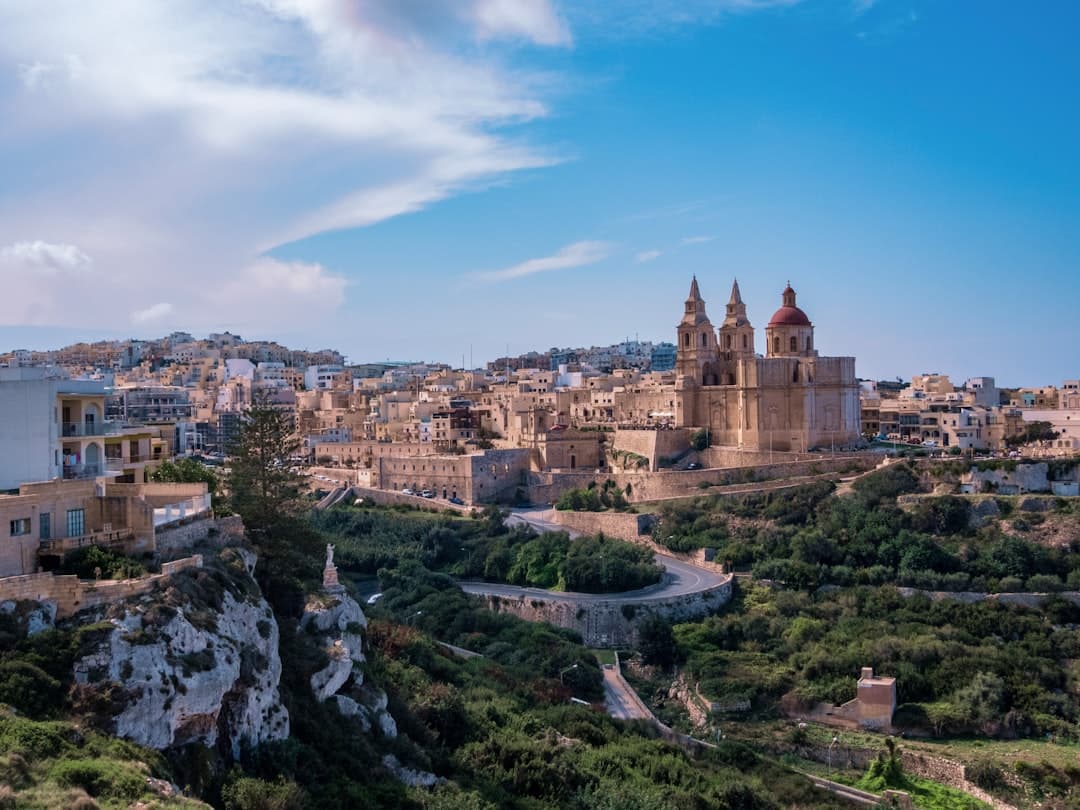
The Maltese archipelago holds one of the most concentrated collections of Baroque architecture in the Mediterranean world. Built primarily during the rule of the Knights of St. John between the sixteenth and eighteenth centuries, these structures reflect a period of significant patronage and craftsmanship that shaped the island's urban and cultural identity.
Valletta as a Living Museum
Valletta, designated a UNESCO World Heritage Site in 1980 and named a European Capital of Culture in 2018, serves as the primary focal point for Baroque heritage in Malta. The city's street grid, churches, palaces, and auberges — the former residences of the Knights — represent a largely intact example of Baroque urban planning. St. John's Co-Cathedral, completed in 1577 and later adorned with Baroque interior decoration, remains among the most visited cultural sites in the region.
Conservation and Academic Interest
Heritage Malta, the national agency responsible for museums and cultural sites, manages several properties associated with the Baroque period. European funding mechanisms, including those administered through the EU's structural and cohesion funds, have supported restoration projects across the islands in recent years. University departments in Malta and abroad continue to publish research on the craftsmanship, patronage networks, and artistic influences embedded in these structures.
Tourism and Cultural Economy
Malta's heritage sites contribute significantly to the country's tourism sector, which forms a substantial part of the national economy. Visitors from across Europe travel to the islands specifically to engage with the historical built environment, and cultural tourism operators regularly incorporate Baroque landmarks into guided itineraries. The Maltese government has promoted heritage tourism as a strategic pillar of its long-term economic planning.
Broader Mediterranean Context
Malta's Baroque tradition connects to broader artistic movements that flourished across Catholic Europe following the Council of Trent. The islands served as a crossroads between European and North African influences, lending local Baroque expression a distinct character studied by art historians specialising in Mediterranean cultural exchange.
Open Questions
How will rising visitor numbers affect the long-term preservation of Malta's most fragile Baroque interiors? What role will digital documentation and virtual access play in balancing conservation with public engagement?
Sources: UNESCO World Heritage List (whc.unesco.org), Heritage Malta (heritagemalta.mt), European Capitals of Culture programme (culture.ec.europa.eu), Malta Tourism Authority (mta.com.mt)
This article is based on a verified primary source. The text was editorially reviewed and fact-checked prior to publication.