Europe's rail network, long regarded as one of the most comprehensive in the world, is witnessing a renewed emphasis on luxury travel. Several operators have introduced or expanded premium overnight and scenic routes, offering private cabins, fine dining, and curated itineraries that position train travel as a destination experience rather than simply a means of transit.
The Return of the Sleeper Car
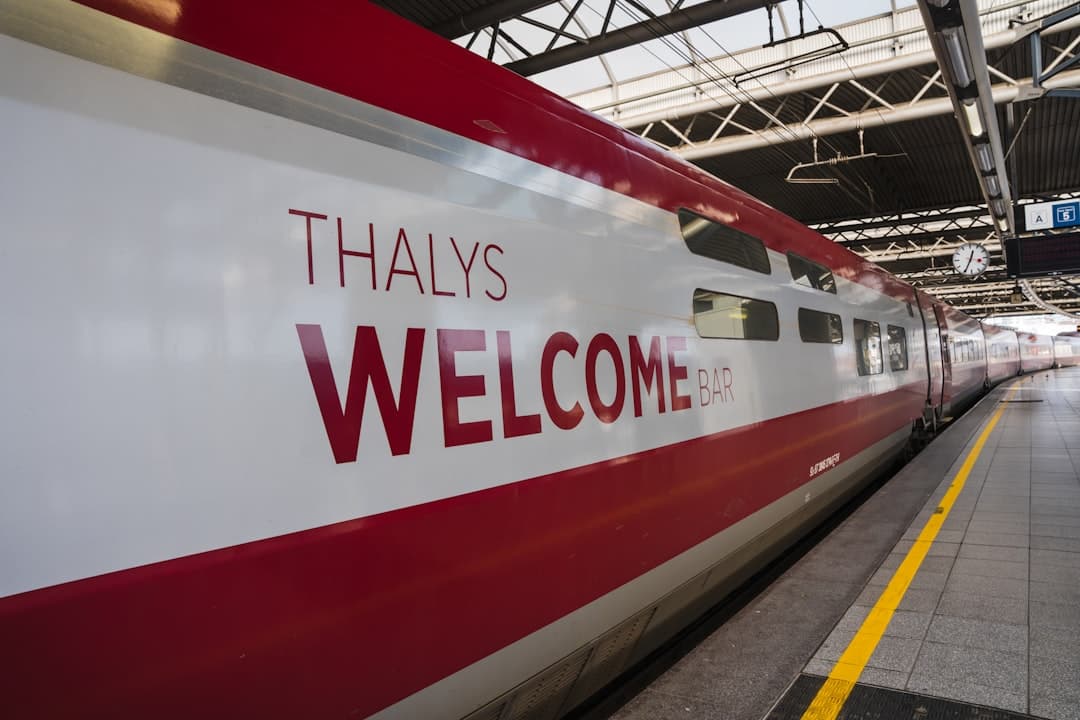
Overnight sleeper services have seen a marked resurgence across the continent. Austrian Federal Railways (ÖBB) has expanded its Nightjet network significantly in recent years, adding connections between cities such as Vienna, Amsterdam, Paris, and Brussels. The service offers private compartments with beds, shower facilities, and meal service, targeting travelers who prefer to sleep between destinations rather than spend time in airports.
The Nightjet network now connects a growing number of European capitals, with additional routes planned in cooperation with rail partners across Germany, Switzerland, and Italy. The expansion positions overnight rail as a competitive alternative to short-haul aviation on several key corridors.
New Entrants in the Ultra-Luxury Segment
Beyond state-operated networks, private operators have entered the European luxury rail market with offerings that draw comparisons to boutique hotel experiences. The Orient Express brand, historically associated with the golden age of rail travel, has announced plans to restore and relaunch classic train services, though operational timelines have undergone revisions.
Meanwhile, Accor's La Dolce Vita Orient Express project targets routes through the Italian peninsula, with carriages designed to reflect regional aesthetics and menus developed around local culinary traditions. The project represents one of the more closely watched developments in European luxury rail, given Italy's scenic diversity and the appetite among international visitors for immersive cultural travel.
Scenic Routes as a Core Selling Point
Several established scenic rail routes continue to attract premium bookings, with operators enhancing onboard offerings to meet rising expectations. The Glacier Express in Switzerland, running between Zermatt and St. Moritz, maintains its status as one of the most recognized panoramic rail journeys in the world. The route traverses alpine terrain, crossing viaducts and passing through mountain villages in a journey that takes the better part of a day.
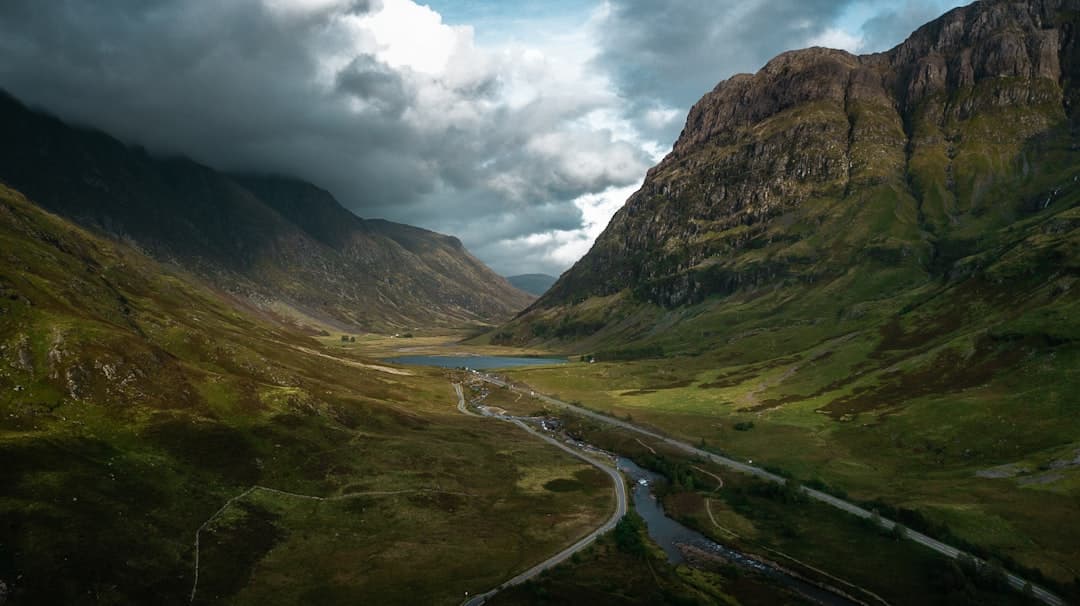
Scotland's Royal Scotsman, operated by Belmond, offers multi-day journeys through the Scottish Highlands with all-inclusive dining, whisky tastings, and excursions to estates and distilleries. The train operates with a limited number of guests per departure, reinforcing its positioning at the upper end of the luxury travel market.
Rail as a Sustainable Travel Choice
The growth in luxury rail offerings coincides with increasing attention to the environmental footprint of travel. Rail transport produces considerably lower carbon emissions per passenger kilometer compared to aviation, a factor that a growing segment of travelers weighs when planning itineraries. Several European governments have also introduced policies encouraging rail over short-haul flights, including France's restrictions on domestic air routes where train alternatives exist within a defined travel time.
Operators in the luxury segment have begun incorporating sustainability messaging into their marketing, emphasizing the lower-impact nature of rail travel alongside the comfort and experiential qualities of their services.
Booking Considerations
Demand for premium rail travel in Europe has grown substantially, and availability on flagship routes can be limited, particularly during peak travel seasons. Many services require advance reservations of several months, and popular routes such as the Glacier Express and Royal Scotsman frequently reach capacity well before departure dates. Travelers are advised to consult operator websites and specialist rail travel agencies to confirm current schedules and availability, as routes and services continue to evolve.
Open Questions
Whether private luxury rail operators can sustain profitability against the capital costs of restoring heritage rolling stock remains an open question. The extent to which government rail investment will prioritize high-speed infrastructure over scenic or overnight services also bears watching, as funding priorities vary considerably across member states.
Sources: ÖBB Nightjet official network information; Belmond Royal Scotsman operator details; Matterhorn Gotthard Bahn (Glacier Express); Accor Group La Dolce Vita Orient Express project announcements; European Environment Agency rail emissions data; French government domestic aviation restrictions (2023).
This article is based on a verified primary source. The text was editorially reviewed and fact-checked prior to publication.