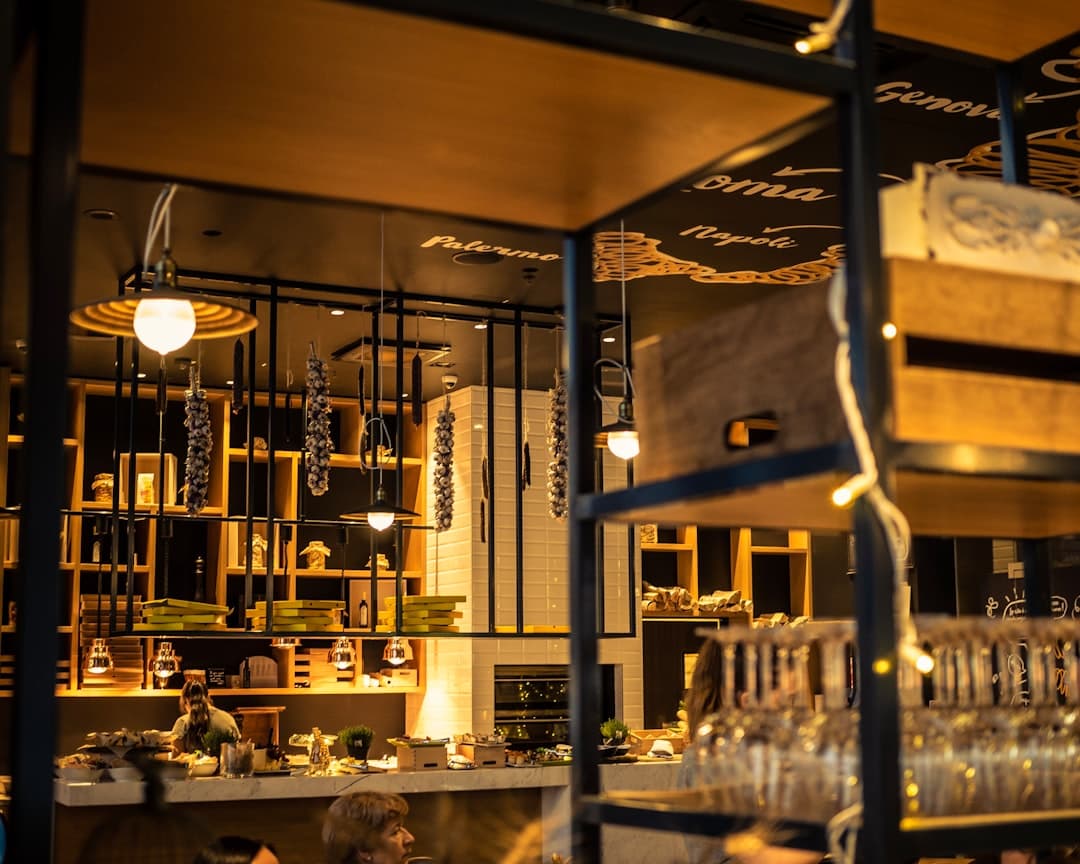
Latvian cuisine is defined by a close relationship between geography and diet. Situated on the eastern Baltic coast, Latvia's culinary traditions developed around the ingredients available across its four distinct seasons — a pattern that continues to shape how food is prepared and consumed across the country.
A Pantry Shaped by Nature
Rye bread, known locally as rupjmaize, occupies a central place in Latvian food culture and has been recognized by the Latvian government as a cultural heritage product. Dark, dense, and slightly sour, it is produced using traditional sourdough methods and serves as a staple across both urban and rural households.
Forests provide a significant seasonal supplement to the Latvian diet. Wild mushrooms and berries — including lingonberries, blueberries, and cloudberries — are gathered during late summer and autumn, then preserved through drying, pickling, or jam-making for use during colder months.
Coastal and Agricultural Contributions
The Baltic coastline contributes smoked and pickled fish, particularly sprats and herring, which feature prominently in both everyday meals and festive occasions. Inland, dairy products such as biezpiens — a fresh curd cheese — and sour cream appear regularly across traditional recipes.
Pork remains the most widely consumed meat, often prepared in cured or smoked forms. Root vegetables including potatoes, carrots, and beets serve as foundational ingredients in soups and side dishes, particularly during autumn and winter.
Seasonal Festivals and Food
Latvian food traditions intersect closely with the agricultural calendar. The midsummer celebration of Jāņi, one of the country's most significant folk festivals, is associated with specific foods including caraway cheese and beer brewed from local grains. These seasonal food customs have persisted alongside the country's broader cultural identity.
In recent years, Latvian chefs and food producers have drawn on these traditional ingredients to develop a contemporary local food movement, with farmers' markets and regional restaurants increasingly emphasizing produce sourced within the country's borders.
Open Questions
How the pressures of EU agricultural policy and food importation may affect the long-term sustainability of Latvia's locally sourced food traditions remains a subject of ongoing discussion among food researchers and cultural historians.
Sources: Latvian Institute, UNESCO Intangible Cultural Heritage records, Nordic Food Lab documentation, Latvian Tourism Development Agency.
This article is based on a verified primary source. The text was editorially reviewed and fact-checked prior to publication.