Poland's culinary landscape is far from uniform. From the smoked cheeses of the Tatra highlands to the slow-cooked stews of Silesia and the herring preparations common along the Baltic coast, regional food traditions reflect centuries of distinct historical, agricultural, and ethnic influences.
Protected Traditions and Geographic Designations
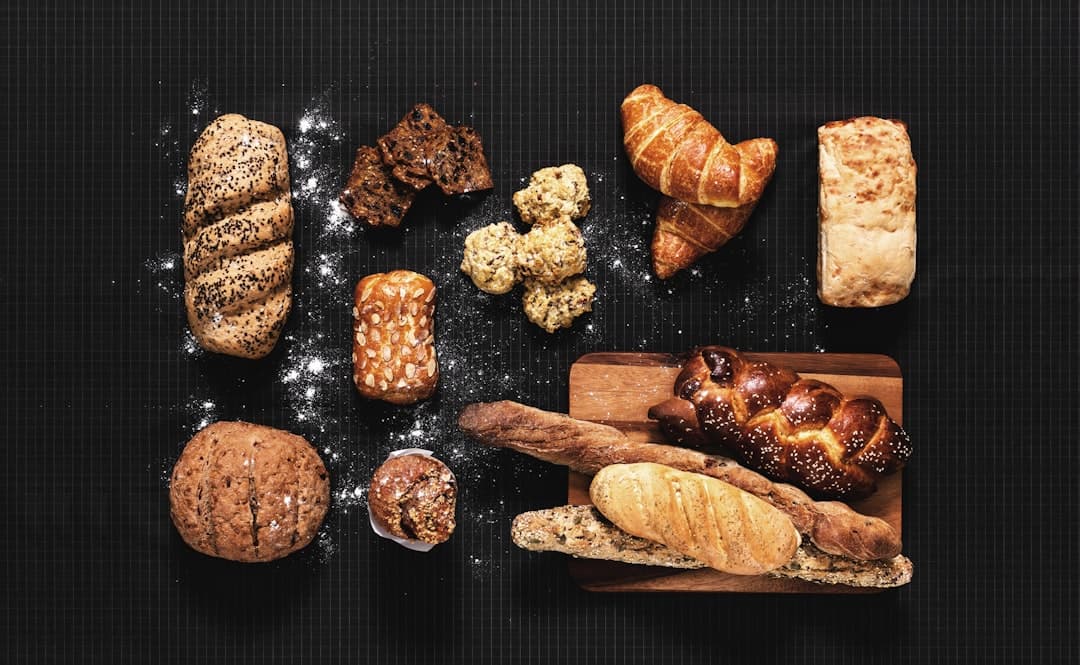
The European Union's protected designation of origin (PDO) and protected geographical indication (PGI) frameworks have provided formal recognition to several Polish regional products. Oscypek, a smoked sheep's milk cheese produced exclusively by highland shepherds in the Podhale region, holds PDO status, as does Obwarzanek Krakowski, the ring-shaped bread associated with Kraków. These designations restrict production to specific geographic areas and require adherence to traditional methods, effectively codifying culinary heritage within a legal framework.
Regional Variation as a Defining Feature
Polish cuisine resists easy generalization. Wielkopolska, in west-central Poland, is associated with potato-based dishes and locally bred meats, while Podlasie in the northeast reflects influences from Belarusian and Lithuanian culinary traditions, evident in dishes incorporating buckwheat and fermented dairy. Silesia, historically a region of shifting borders, carries German and Czech culinary imprints alongside Polish ones, seen in dishes such as Śląskie kluski, a type of potato dumpling with a distinctive central indentation.
Culinary Tourism and Local Markets
Regional food markets and agritourism have expanded steadily across the country, drawing visitors to rural areas where traditional production methods remain in active use. Local food festivals, organized seasonally in towns throughout Mazovia, Lesser Poland, and Pomerania, provide platforms for small producers to reach wider audiences while reinforcing community ties to agricultural heritage.
Polish culinary schools and hospitality programs have also incorporated regional gastronomy more prominently into their curricula, reflecting broader recognition that local food traditions carry both cultural and economic value.
Open Questions
Whether the commercialization of regional cuisines risks diluting the authenticity of traditional preparations, and how younger generations will engage with inherited food practices, remain subjects of ongoing discussion among food historians and cultural organizations in Poland.
Sources: European Commission DOOR Database (PDO/PGI designations), Polish Tourist Organisation (culinary tourism documentation), UNESCO intangible cultural heritage frameworks.
This article is based on a verified primary source. The text was editorially reviewed and fact-checked prior to publication.