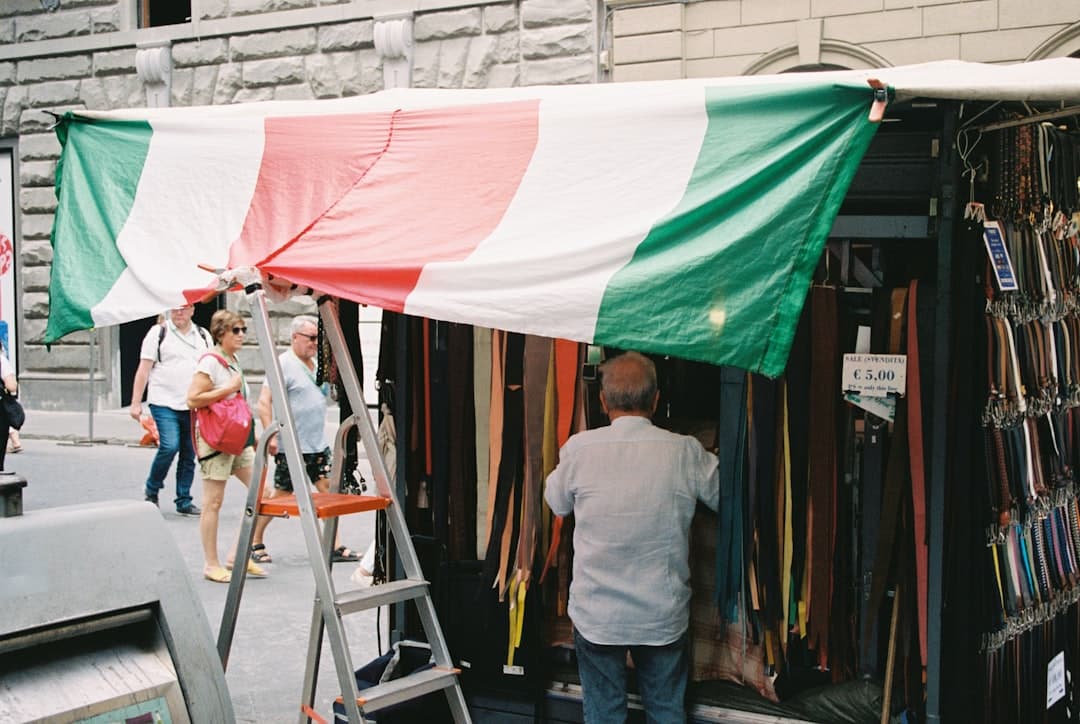
Across Italy's historic workshops — from the leather ateliers of Florence to the glassblowing furnaces of Murano — artisans are adapting centuries-old production methods to meet the demands of a connected global marketplace. The integration of digital tools has allowed these small-scale producers to reach consumers far beyond regional or national borders.
Platforms as a Bridge to Global Consumers
E-commerce platforms such as Etsy, Faire, and dedicated Italian craft marketplaces have provided independent artisans with direct access to international buyers. Many craftspeople have also built audiences through Instagram and YouTube, using visual content to document their processes and authenticate the handmade nature of their goods — a selling point that carries considerable weight among consumers seeking alternatives to mass-produced products.
The Made in Italy designation, long associated with quality in fashion, furniture, and food, has carried over effectively into digital retail environments. Buyers in North America, Japan, and the Gulf region have shown sustained interest in Italian craft goods, particularly ceramics, textiles, and bespoke leatherwork.
Institutional Support and Training
Italian regional governments and trade bodies, including Confartigianato — one of Italy's largest associations representing artisan businesses — have introduced programs to help traditional craftspeople acquire digital marketing skills. These initiatives address a recognized gap between artisanal expertise and the technical knowledge required to operate effectively in online retail environments.
The European Union has also supported craft preservation through cultural heritage funding streams, recognizing intangible craft knowledge as a component of European cultural identity worth sustaining across generations.
Tensions Between Tradition and Scale
The move online is not without friction. Some artisan communities have expressed concern that increased demand, driven by digital visibility, can pressure small workshops to scale production in ways that compromise quality or dilute the handmade character that defines their work. Balancing commercial opportunity with craft integrity remains an ongoing challenge for the sector.
Open Questions
How will intellectual property frameworks evolve to protect traditional craft designs in digital marketplaces? Can apprenticeship models keep pace with growing international demand? And to what extent can digital visibility substitute for physical retail presence at craft fairs and regional markets?
Sources: Confartigianato (confartigianato.it), European Commission cultural heritage programs, UNESCO intangible cultural heritage frameworks, Italian Trade Agency (ice.it)
This article is based on a verified primary source. The text was editorially reviewed and fact-checked prior to publication.