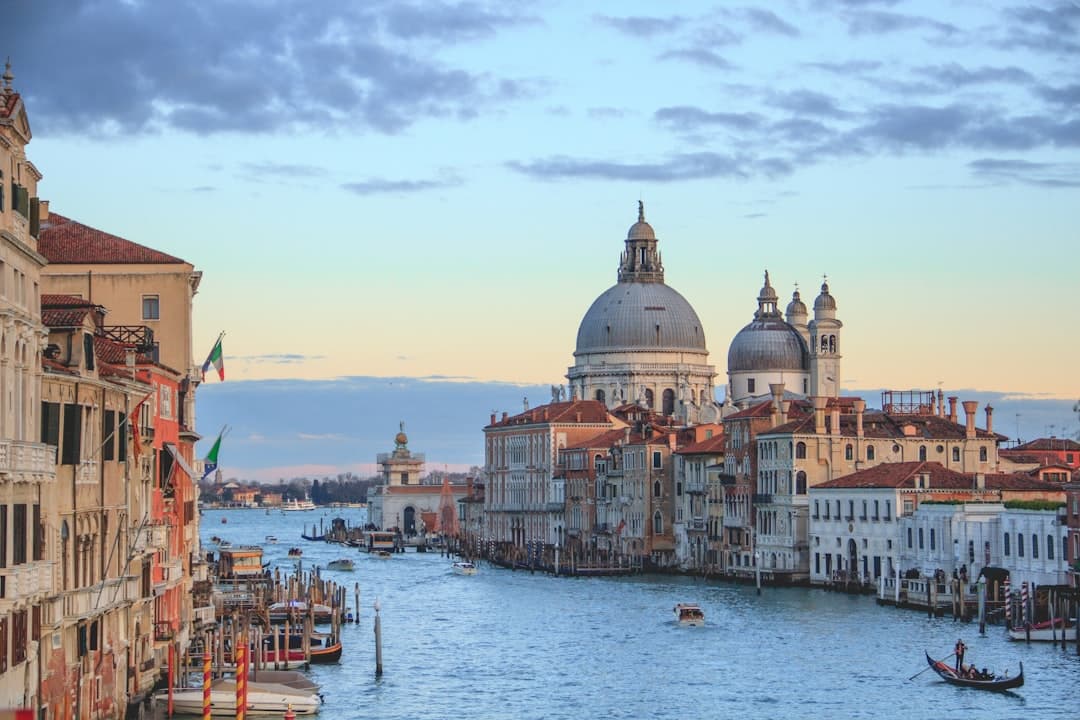
Coastal regions of Italy, long defined by their summer influx of tourists, are increasingly pursuing strategies designed to attract visitors during spring, autumn, and winter months. The shift reflects a broader effort to reduce the strain of peak-season overcrowding and spread tourism revenue more evenly throughout the year.
Pressure on Popular Destinations
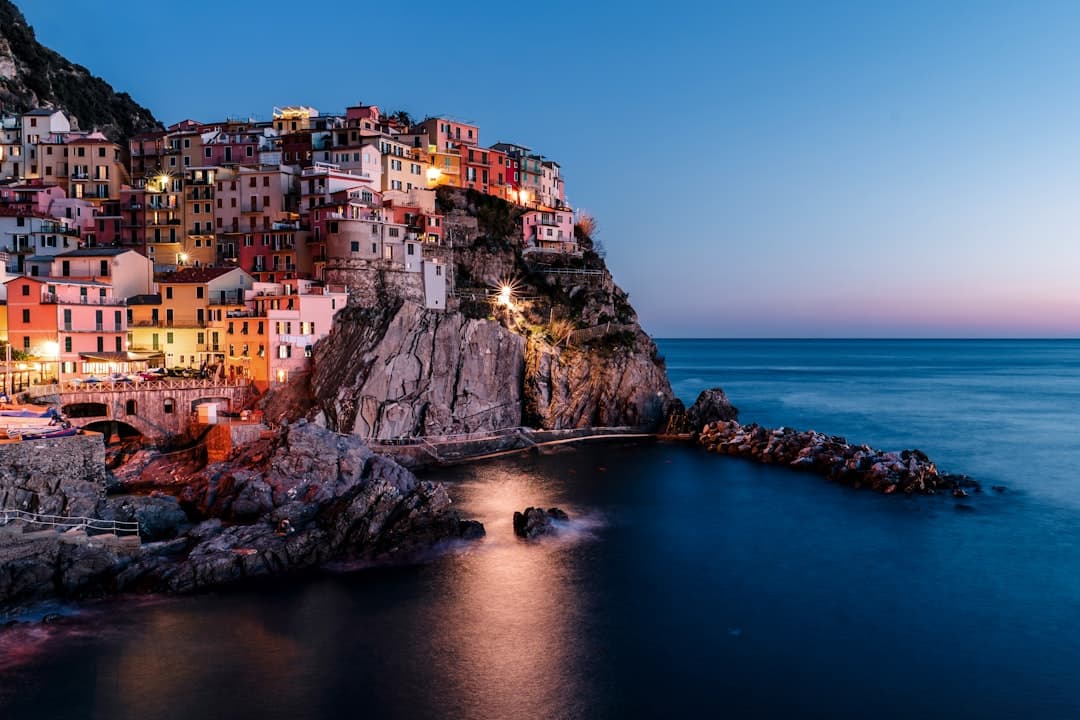
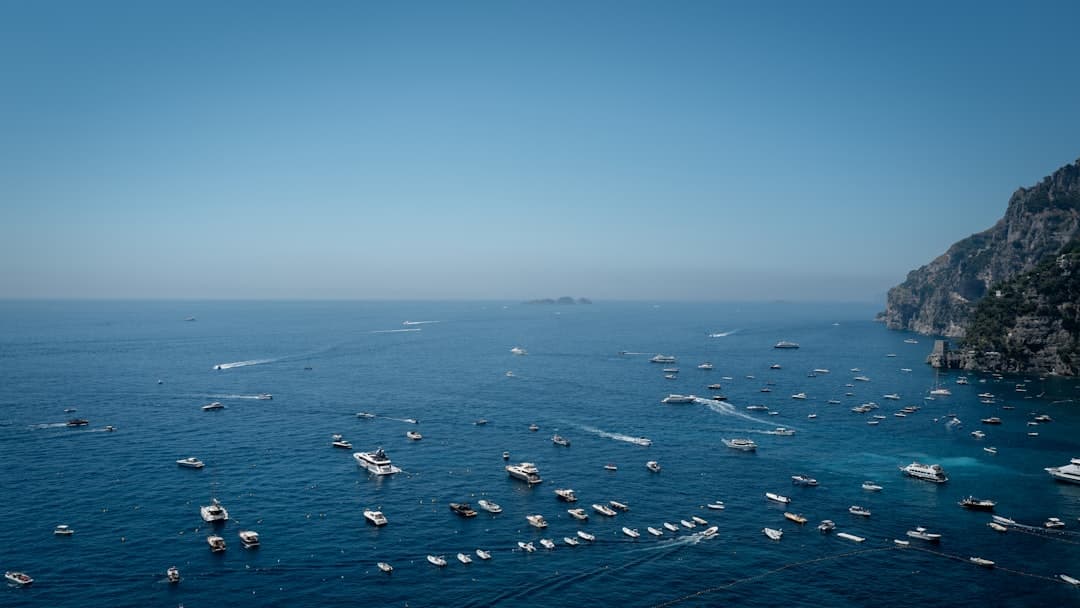
Areas such as the Amalfi Coast, Cinque Terre, and the Sicilian shoreline have faced mounting challenges associated with mass summer tourism, including infrastructure stress, environmental degradation, and pricing pressures on local residents. Regional authorities and national tourism bodies have responded by promoting quieter periods as viable, and in some respects preferable, alternatives to the July and August peak.
Measures to Attract Off-Season Visitors
Efforts to diversify the tourism calendar include the promotion of cultural festivals, culinary events, and outdoor activities suited to cooler temperatures. Several municipalities have invested in improving year-round transport links and extending the operating seasons of museums, heritage sites, and hospitality businesses that previously closed after summer.
Italy's national tourism agency, ENIT, has promoted the country's off-season appeal through international marketing campaigns targeting visitors from northern Europe, North America, and increasingly from East Asia. These campaigns emphasize milder crowds, lower accommodation costs, and a more immersive experience of local life outside peak periods.
Structural and Economic Considerations
The hospitality sector faces operational challenges in sustaining year-round staffing and services in smaller coastal towns, where seasonal employment patterns are deeply embedded. Local governments have explored incentive schemes to encourage businesses to remain open beyond summer, though implementation varies significantly between regions.
The broader trend aligns with European Union tourism policy goals that advocate for sustainable tourism management, including the reduction of overtourism in sensitive coastal and heritage environments.
Open Questions
Whether financial incentives will be sufficient to shift deeply rooted seasonal business models remains unclear. The degree to which visitor behavior can be durably redirected away from peak summer also continues to be a subject of active policy discussion across Italian regional governments.
Sources: ENIT (Agenzia Nazionale del Turismo), European Commission Tourism Policy Framework, Italian Ministry of Tourism public communications, European Travel Commission regional reporting.
This article is based on a verified primary source. The text was editorially reviewed and fact-checked prior to publication.