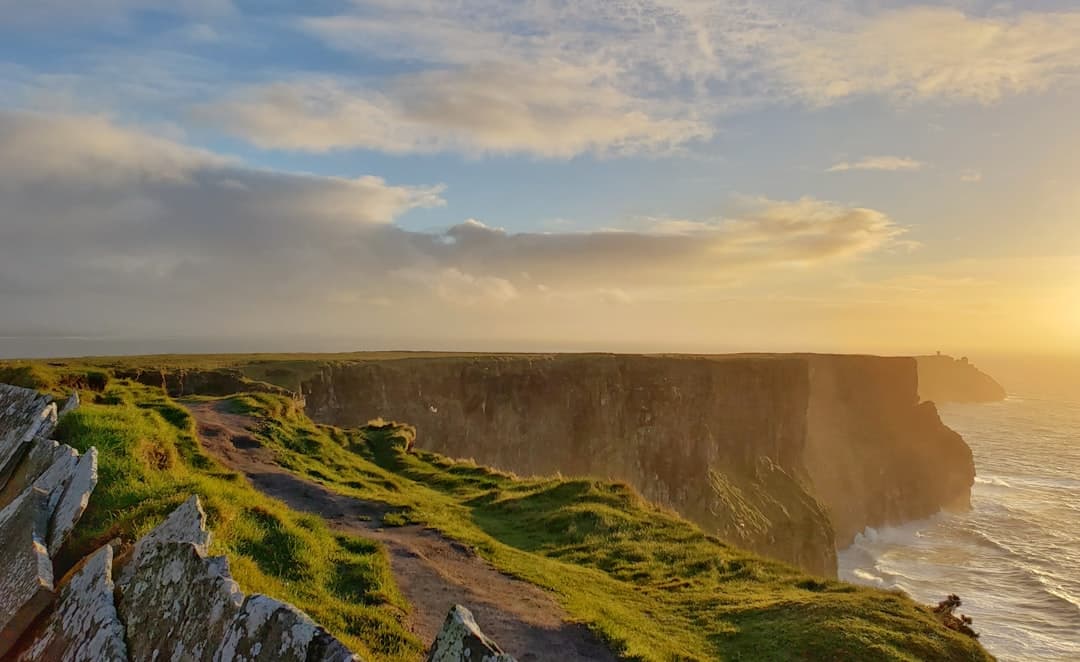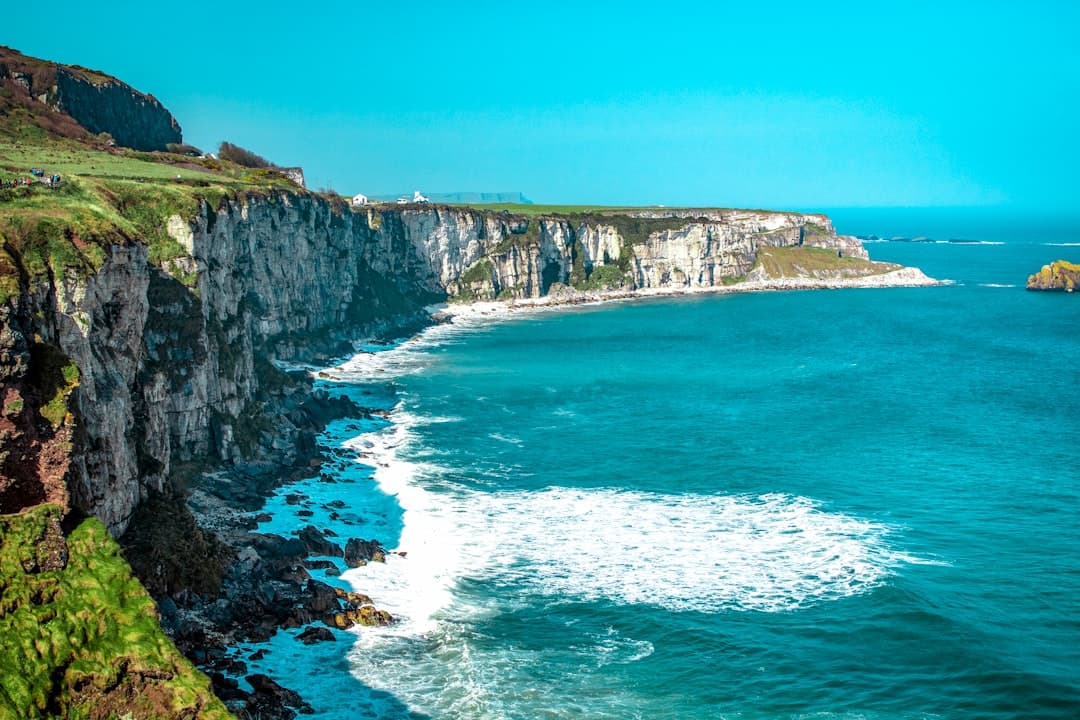
The Wild Atlantic Way, officially launched by Tourism Ireland and Fáilte Ireland in 2014, runs from the Inishowen Peninsula in County Donegal southward to Kinsale in County Cork. Spanning the full length of Ireland's Atlantic coastline, it passes through some of the country's most geographically dramatic landscapes, including the Cliffs of Moher, Connemara, and the Dingle Peninsula.
Infrastructure and Accessibility
In recent years, local authorities and national tourism bodies have invested in waymarking, visitor discovery points, and road upgrades along the route. These improvements have made the corridor more accessible to a broader range of travellers, including cyclists and those using public transport, rather than exclusively private vehicle users.
Regional airports at Knock, Donegal, and Kerry provide international access to the western corridor, reducing dependence on Dublin as the sole entry point for overseas visitors. Ferry connections from France and the United Kingdom to ports including Rosslare and Cork also serve as alternative gateways to the southern sections of the route.
Shifting Visitor Patterns
Visitor data collected by Fáilte Ireland has consistently shown that travellers to the Wild Atlantic Way tend to stay longer and spend more per trip than those on shorter urban breaks. The route has also attracted growing interest from the slow travel and sustainable tourism sectors, with walking trails, cycling paths, and heritage sites increasingly positioned as primary draws alongside coastal scenery.
Communities along the route, particularly in counties Mayo, Galway, and Clare, have developed accommodation and hospitality infrastructure to absorb increased visitor volumes, with glamping sites, boutique guesthouses, and farm stays supplementing traditional hotel provision.
European and Global Context
The Wild Atlantic Way is frequently benchmarked against other long-distance scenic touring routes in Europe, including Scotland's North Coast 500 and Norway's National Tourist Routes. Its designation as a flagship Irish tourism product has influenced route-based tourism development strategies in several other European countries.
Open Questions
How will increased visitor numbers be balanced against environmental preservation along sensitive coastal habitats? What role will improved rail and bus connectivity play in reducing car dependency on the route?
Sources: Fáilte Ireland, Tourism Ireland, European Travel Commission, Irish Department of Transport
This article is based on a verified primary source. The text was editorially reviewed and fact-checked prior to publication.