Ireland's Ancient East, a tourism trail developed and promoted by Fáilte Ireland, the country's national tourism development authority, spans a broad swathe of the island's eastern and midland counties. The route connects heritage sites ranging from the Neolithic passage tombs at Brú na Bóinne in County Meath — a designated UNESCO World Heritage Site — to the early Christian monastic settlement at Glendalough in County Wicklow.
A Route Built Around Depth, Not Distance
Unlike itineraries designed around high-volume landmarks, the Ancient East corridor is structured to reward travelers who move slowly between sites. Villages such as Kilkenny, Cashel, and Trim serve as natural bases, each positioned near significant historical monuments. Kilkenny's medieval streetscape and Rock of Cashel's dramatic hilltop fortress remain among the most visited inland heritage destinations on the island.
Prehistoric to Post-Norman Layers
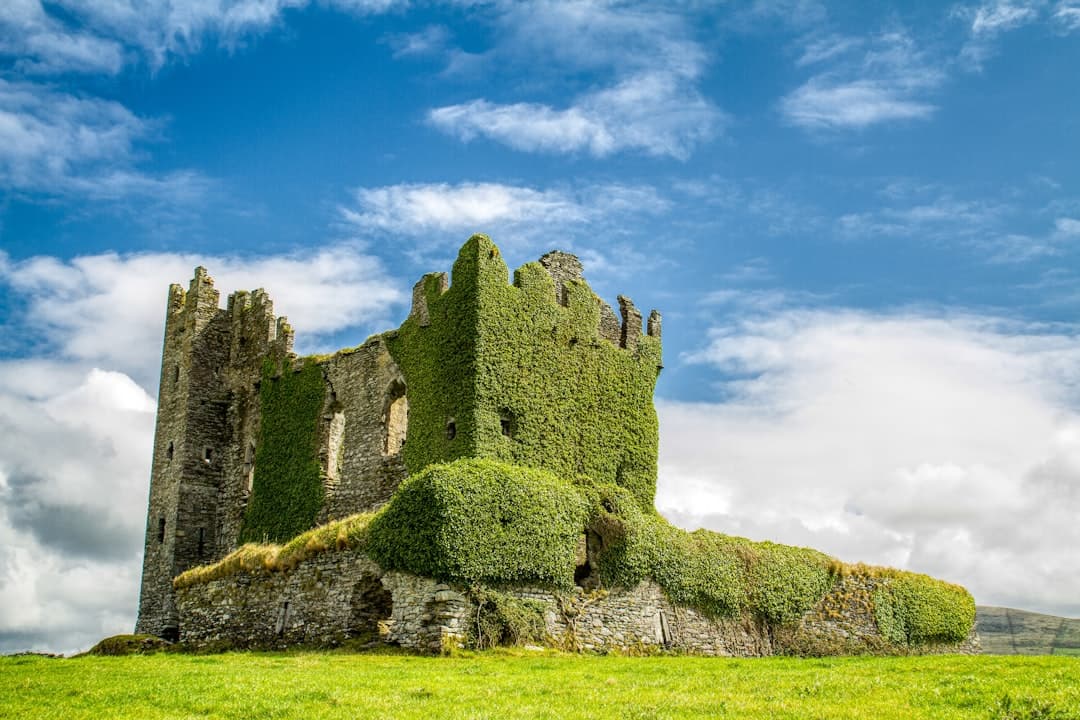
The timeline covered within the region spans more than five millennia. Brú na Bóinne predates both Stonehenge and the Egyptian pyramids, according to archaeological consensus. Subsequent layers include early Christian high crosses at Monasterboice, Viking-era settlements along the River Barrow, and a dense concentration of Norman tower houses spread across Counties Kilkenny, Tipperary, and Wexford.
Infrastructure Supporting Independent Travel
Fáilte Ireland has invested in wayfinding signage, interpretive centers, and digital trail maps across the region to support independent travelers arriving without guided tour packages. Rural accommodation options, including heritage guesthouses and farm stays, have expanded alongside growing interest in slower, place-based tourism models across Europe.
The region's accessibility from Dublin — with most major sites reachable within two hours of the capital — positions it as a practical extension for visitors already entering Ireland through its primary international gateway.
Open Questions
Whether rural infrastructure investment will keep pace with rising visitor numbers across less-serviced parts of the corridor remains an ongoing planning consideration for local authorities and Fáilte Ireland alike.
Sources: Fáilte Ireland (ireland.com/ancient-east), UNESCO World Heritage List (whc.unesco.org), Archaeological Survey of Ireland (archaeology.ie)
This article is based on a verified primary source. The text was editorially reviewed and fact-checked prior to publication.