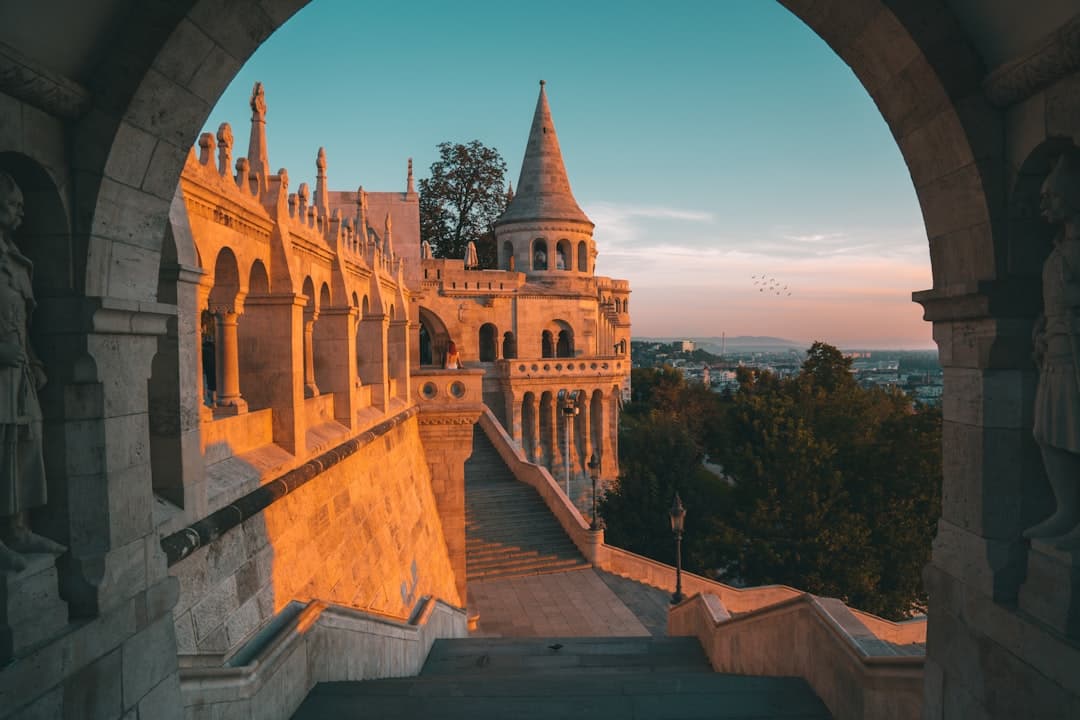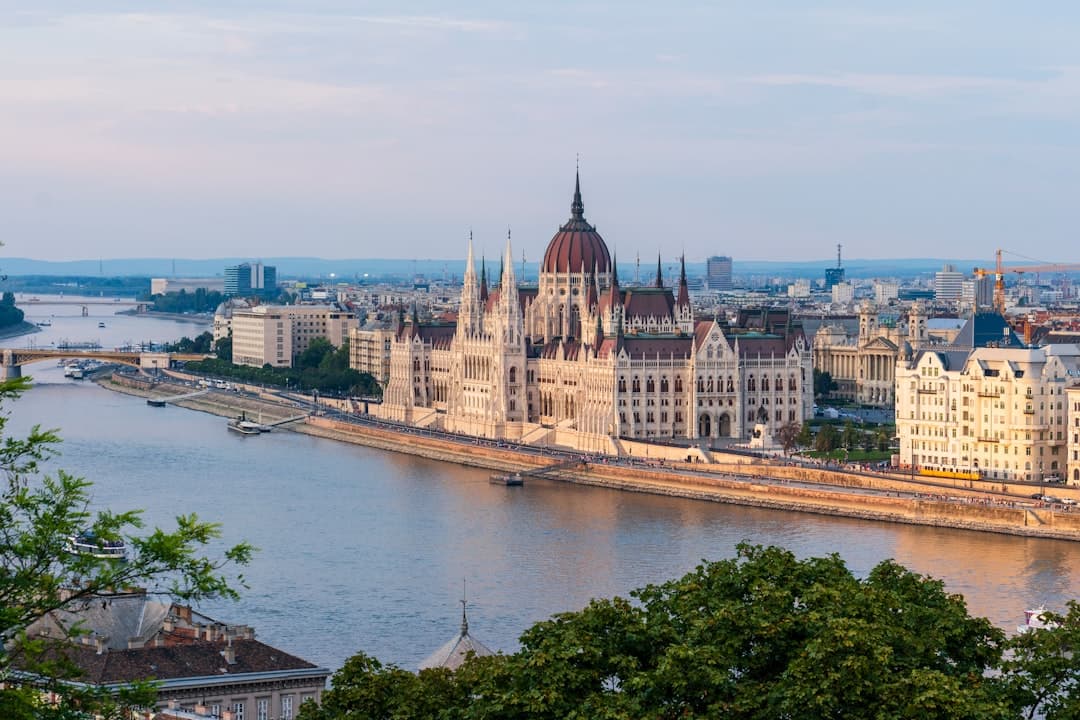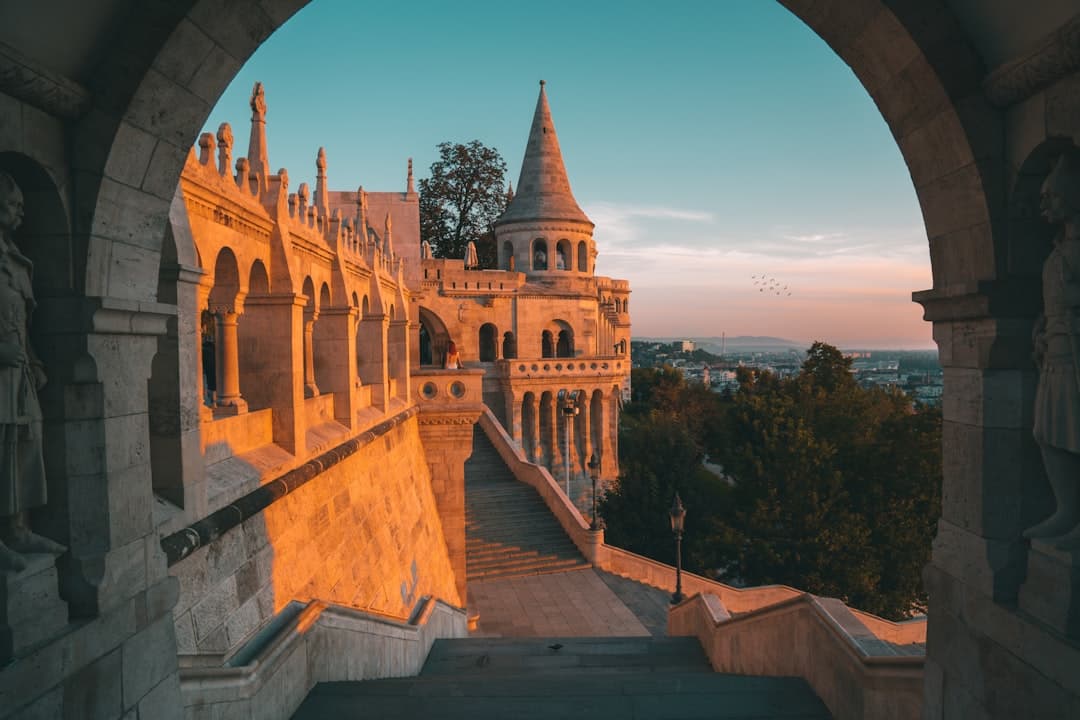
Hungary's extensive portfolio of castle and fortress heritage is playing an increasingly prominent role in the country's tourism economy, drawing cultural travelers to regions that extend well beyond the capital, Budapest.
A Legacy Built Across Centuries
Hungary's castle heritage spans multiple historical periods, from early medieval fortifications constructed during the Kingdom of Hungary to Ottoman-era strongholds and later Baroque aristocratic residences. The country's position at the crossroads of European civilizations left behind a layered architectural record that tourism authorities have worked to promote and preserve.
Among the most visited sites are Visegrád, home to a reconstructed royal palace dating to the Angevin and Matthias Corvinus eras, and the fortress city of Eger, where the castle grounds commemorate a historically significant Ottoman siege in the sixteenth century. In western Hungary, the Festetics Palace at Keszthely and Sümeg Castle attract visitors to the Lake Balaton region.
Restoration Efforts and Regional Development
Hungarian government programs and European Union structural funds have supported restoration projects at numerous castle sites over recent decades. Rehabilitation work has enabled formerly inaccessible ruins to open as visitor attractions, contributing to economic activity in rural and smaller urban areas where few alternative tourism anchors exist.
Regional tourism boards have developed thematic routes linking multiple castle sites, encouraging longer visitor stays and broader geographic distribution of tourism revenue across counties outside the Budapest metropolitan area.
European Context
Hungary's approach aligns with broader trends across Central and Eastern Europe, where post-communist governments have increasingly invested in heritage tourism as a vehicle for regional economic development. Countries including Slovakia, Poland, and the Czech Republic have pursued comparable strategies built around their own castle inventories.
Hungary's participation in UNESCO World Heritage designations, including the Budapest sites and the Tokaj wine region landscape, has raised the country's international profile as a heritage destination, indirectly supporting interest in castle tourism across the wider territory.
Open Questions
How sustainable is heritage tourism infrastructure in rural Hungarian regions with aging local populations? To what extent does castle tourism generate lasting local employment versus seasonal or low-wage positions?
Sources: Hungarian Tourism Agency (visithungary.com), UNESCO World Heritage List, European Commission regional development fund documentation, Visegrád Castle Museum public information.
This article is based on a verified primary source. The text was editorially reviewed and fact-checked prior to publication.