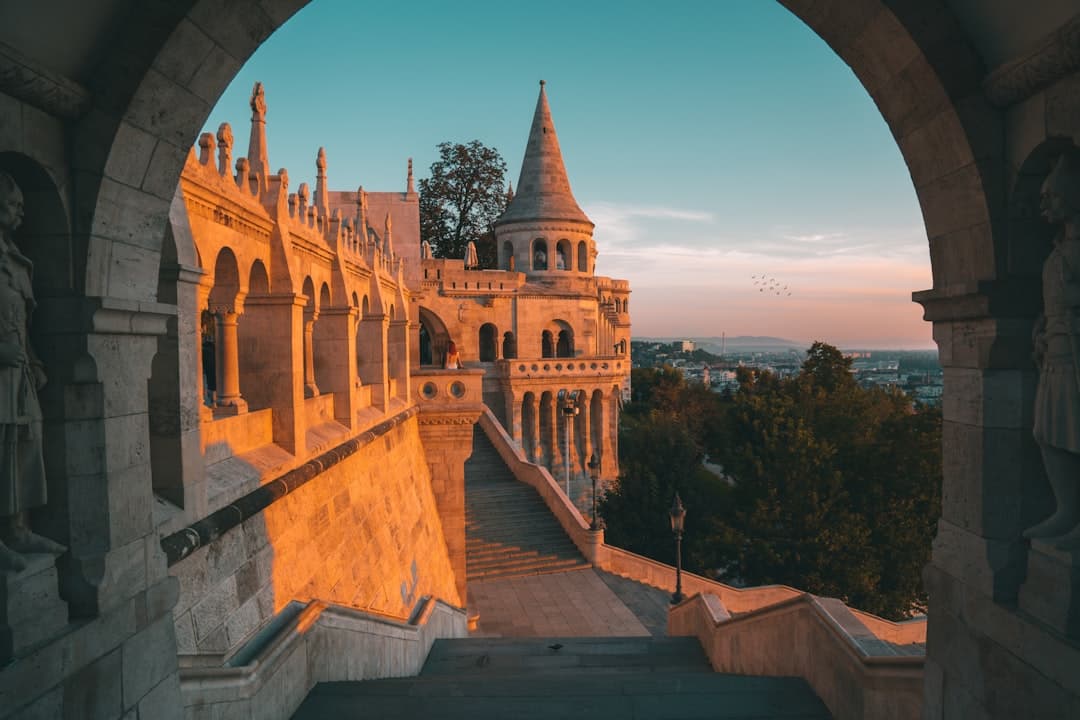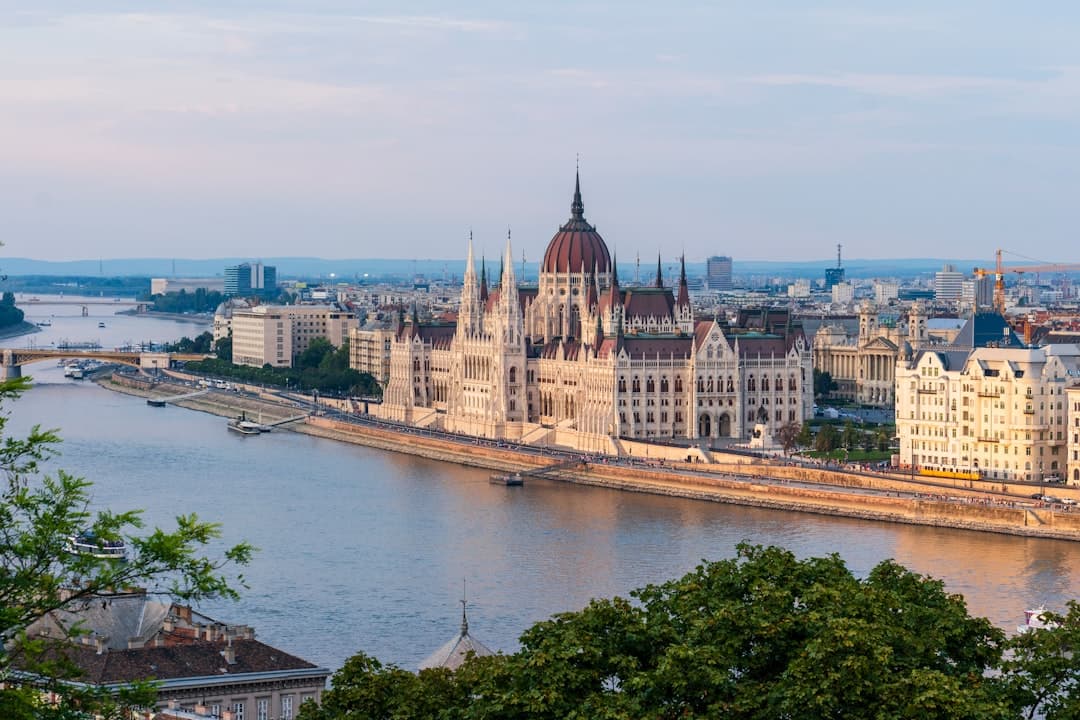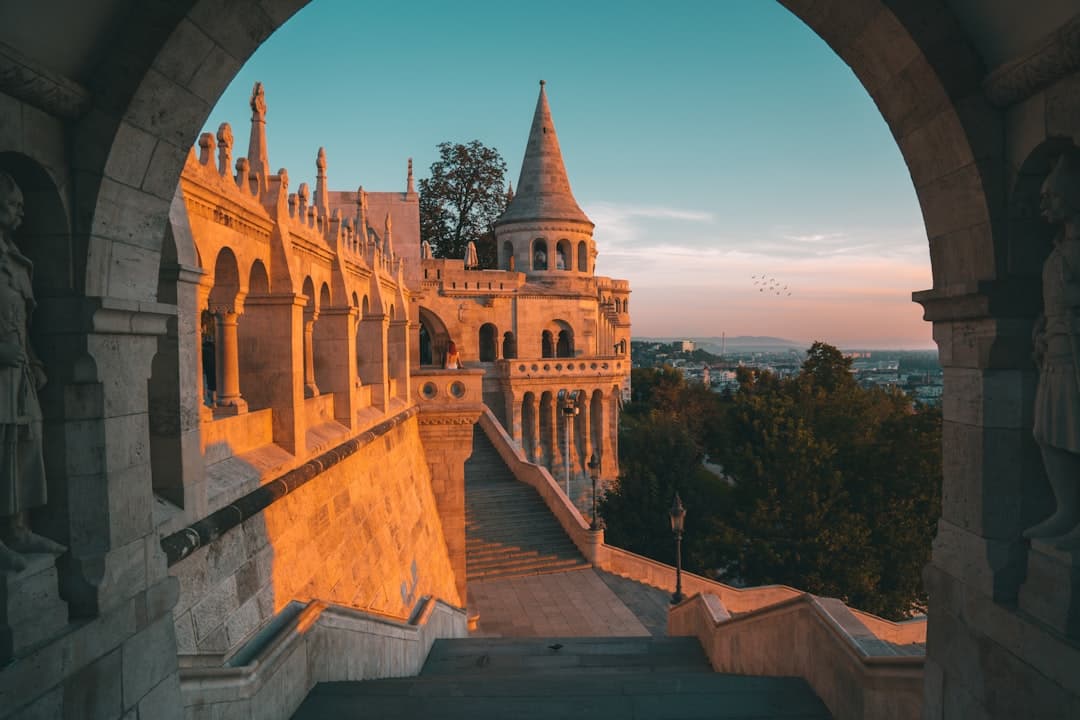
Hungary's position along the Danube has made it a cornerstone of European river cruise itineraries, with Budapest consistently ranked among the continent's most visited port cities for river-borne travelers. The Hungarian capital's waterfront — dominated by the Chain Bridge, the Hungarian Parliament Building, and Buda Castle — forms one of the most photographed urban riverscapes in Europe, a UNESCO World Heritage Site that cruise operators have long used as a flagship selling point.
The Danube Bend and Beyond
North of Budapest, the Danube Bend — known locally as the Dunakanyar — offers a markedly different landscape. The river narrows and curves through forested hills, passing through the historic towns of Visegrád, Esztergom, and Szentendre. Esztergom, home to Hungary's largest cathedral and a former seat of Hungarian kings, and Visegrád, site of a medieval royal palace and hilltop citadel, are regular shore excursion stops on itineraries departing from both Budapest and Vienna.
Infrastructure and Connectivity
Hungary's river cruise infrastructure has expanded considerably in recent decades. Budapest's purpose-built cruise terminals along both the Buda and Pest embankments accommodate vessels from the major European river cruise operators, including Viking River Cruises, AmaWaterways, and Scenic. The Danube's navigability through Hungary allows ships to connect itineraries stretching from Germany's Passau to Romania's Danube Delta, with Hungary often serving as either the departure or turnaround point.
Cultural Programming
Cruise lines operating on this segment of the Danube typically offer programming centered on Hungarian cuisine, folk traditions, and classical music — reflecting Budapest's historical role as a hub of Central European culture. The thermal bath culture, rooted in both Ottoman and Austro-Hungarian heritage, has also become a standard feature of shore excursion offerings in the capital.
Open Questions
As river cruise traffic increases along the Danube, questions remain about the long-term environmental impact on the river ecosystem and whether Hungarian port infrastructure will require further expansion to manage growing vessel volumes.
Sources: UNESCO World Heritage List; Viking River Cruises itinerary documentation; AmaWaterways route guides; Hungarian Tourism Agency (Magyar Turisztikai Ügynökség); Danube Commission navigation records.
This article is based on a verified primary source. The text was editorially reviewed and fact-checked prior to publication.