For more than a century, the Michelin Guide has served as one of the most influential arbiters of culinary excellence in Europe. Originally conceived as a travel companion for French motorists, the guide has evolved into a global benchmark for restaurant quality — and its recent directional shifts are leaving measurable marks on European dining culture.
A Broader Definition of Excellence
In recent years, Michelin inspectors have extended recognition to establishments that operate outside the traditional white-tablecloth model. Street food vendors, casual bistros, and plant-based restaurants have entered the conversation alongside the grand European institutions that once dominated the guide's pages. The introduction of the Michelin Green Star — awarded to restaurants demonstrating strong environmental and sustainability practices — has formalised this expanded vision, prompting chefs and restaurateurs across the continent to reconsider their sourcing and waste management practices.
The Bib Gourmand category, which highlights restaurants offering quality meals at more accessible price points, has also grown in prominence. This designation has drawn attention to neighbourhood restaurants in cities such as Lisbon, Warsaw, and Athens, markets that were historically underrepresented in the guide's European editions.
Culinary Tourism and Economic Impact
A Michelin star continues to function as a powerful economic catalyst. Restaurants awarded stars routinely report significant increases in reservation demand following the announcement, a pattern observed consistently across markets from Scandinavia to the Iberian Peninsula. In smaller cities and rural regions, a single starred restaurant has demonstrated the capacity to anchor broader tourism infrastructure, drawing visitors who combine dining with exploration of the surrounding area.
National and regional tourism bodies in countries including Spain, Portugal, and Denmark have formally incorporated Michelin-recognised establishments into their promotional strategies, treating culinary reputation as a component of national brand identity. The concentration of starred restaurants in cities such as San Sebastián and Copenhagen has contributed to positioning those destinations as global culinary capitals.
Shifting Pressures on Chefs and Kitchen Culture
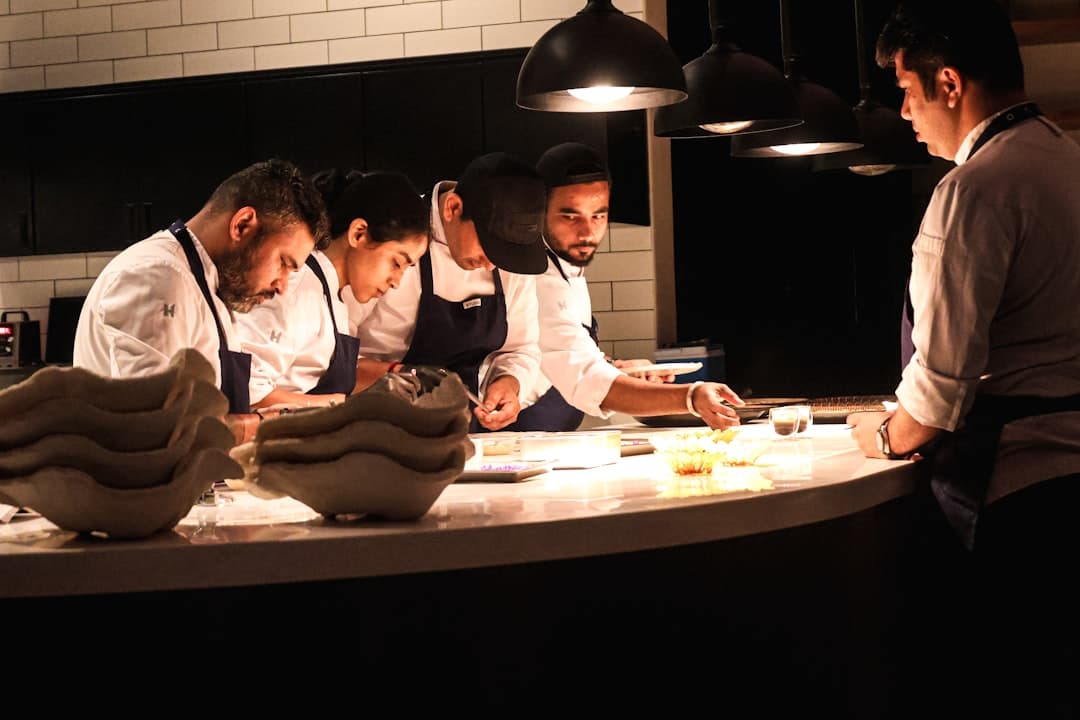
The pursuit and retention of Michelin recognition carries professional consequences that extend beyond prestige. Kitchens operating under the scrutiny of potential inspection face sustained pressure to maintain consistency, which has influenced staffing models, supplier relationships, and menu development cycles across the industry.
There has also been a documented conversation within European culinary circles about the psychological burden associated with starred status. A number of high-profile chefs have publicly returned their stars or spoken about the operational constraints that come with maintaining them — a phenomenon that has prompted wider discussion about the guide's role in shaping chef wellbeing and creative freedom.
New Markets and Geographic Expansion
Michelin has continued expanding its European coverage, publishing guides for countries and cities that previously fell outside its scope. This geographic spread has introduced the guide's framework to culinary scenes that operate according to distinct local traditions, raising questions about whether a single evaluation system can equitably assess the diversity of European food culture.
Critics from within the industry have pointed to a persistent bias toward European and particularly French culinary techniques in the criteria applied by inspectors, though Michelin has not publicly detailed the specific metrics its inspectors use. The growing number of starred restaurants representing non-Western cuisines suggests some evolution in how excellence is being defined at the institutional level.
The Road Ahead
As dining preferences across Europe continue to shift — with increased consumer attention to sustainability, provenance, and value — the Michelin Guide faces the ongoing task of reflecting those changes without losing the consistency that has underpinned its authority. Whether the guide's expanding criteria represent a genuine democratisation of culinary recognition or a rebranding exercise remains an open question for the industry.
Open Questions
Does the Michelin evaluation framework apply consistently across different European culinary traditions? Can sustainability credentials and gastronomic excellence be reliably assessed through the same institutional lens? And as casual dining gains recognition, where does the boundary of Michelin's remit ultimately lie?
Sources: Michelin Guide official publications; European culinary tourism reporting; publicly available statements from restaurant industry bodies across France, Spain, Portugal, Denmark, and the United Kingdom.
This article is based on a verified primary source. The text was editorially reviewed and fact-checked prior to publication.


