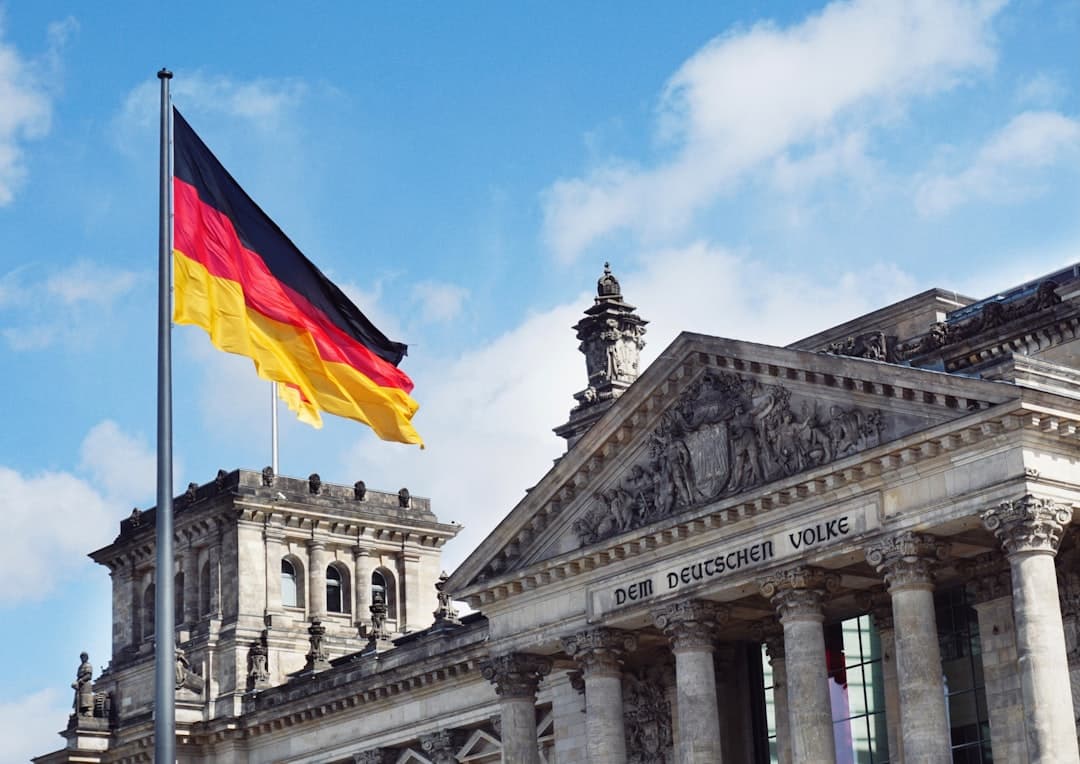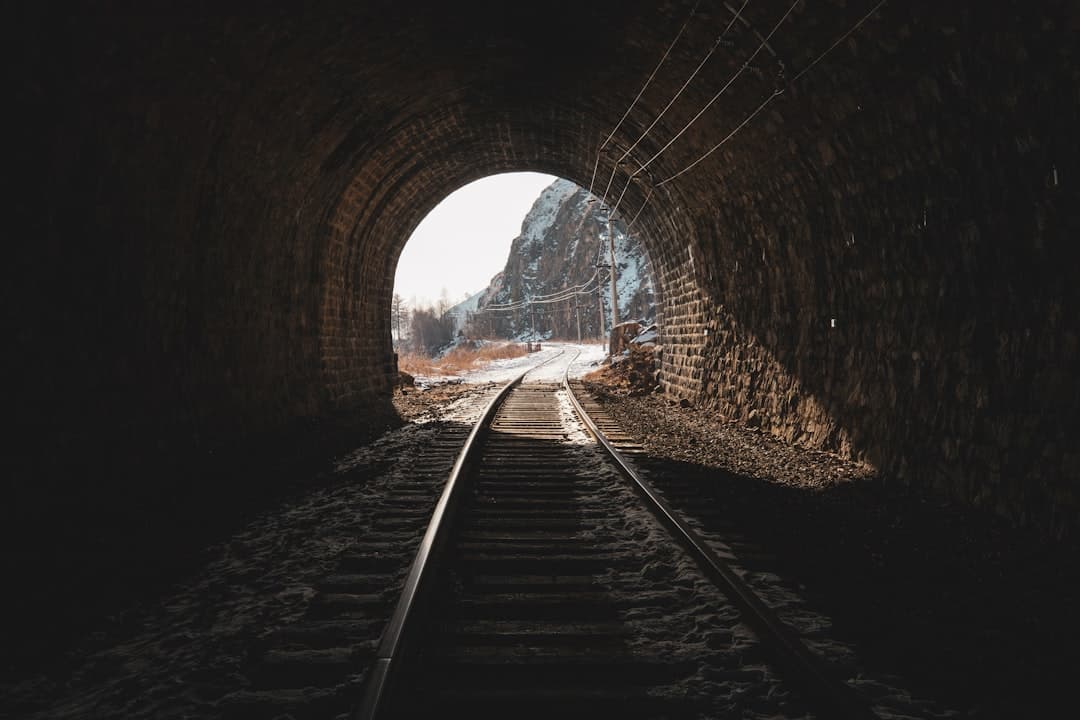
Germany's reputation as a sustainable travel destination rests on concrete infrastructure rather than marketing. The national rail operator Deutsche Bahn connects hundreds of cities, towns, and rural regions through a network that runs substantially on renewable energy sources, offering travelers a lower-carbon alternative to domestic flights or private vehicles.
A Culture of Active and Public Transport
Cycling culture is deeply embedded in German urban planning. Cities such as Münster, Freiburg, and Berlin maintain extensive dedicated cycling lane networks, making bicycle travel a mainstream rather than niche option. Many municipalities have integrated bike-sharing schemes directly with public transit systems, allowing seamless multimodal journeys without private car use.
Regional rail passes, including offerings designed specifically for tourists, have historically provided affordable access to large portions of the country using a single ticket. These schemes reduce friction for visitors seeking to avoid rental cars and the emissions associated with road travel.
Certification and Accountability
Germany operates structured eco-certification schemes for accommodation providers and tourism businesses. The DEHOGA environmental check and various regional green labels provide travelers with verifiable benchmarks for assessing a property's environmental practices, covering energy efficiency, waste management, and water conservation.
Urban Green Spaces and Low-Emission Zones
German cities have progressively expanded low-emission and pedestrian zones in their historic centers, reducing vehicle traffic in areas of high tourist footfall. Urban green space planning, particularly in cities like Hamburg and Stuttgart, reflects a broader municipal commitment to livable, low-pollution environments that benefit both residents and visitors.
Federal and state governments have also invested in electric vehicle charging infrastructure along major transit corridors, accommodating travelers who do choose road transport while supporting the broader transition away from fossil fuels.
Open Questions
Whether Germany's rail capacity can keep pace with growing passenger demand, how smaller rural tourism businesses will meet rising certification standards, and what role cross-border European rail expansion will play in shaping Germany's future as a transit hub for sustainable continental travel.
Sources: Deutsche Bahn AG (bahn.de), Federal Ministry for the Environment (bmuv.bund.de), DEHOGA Bundesverband, European Environment Agency (eea.europa.eu), Allgemeiner Deutscher Fahrrad-Club (adfc.de)
This article is based on a verified primary source. The text was editorially reviewed and fact-checked prior to publication.