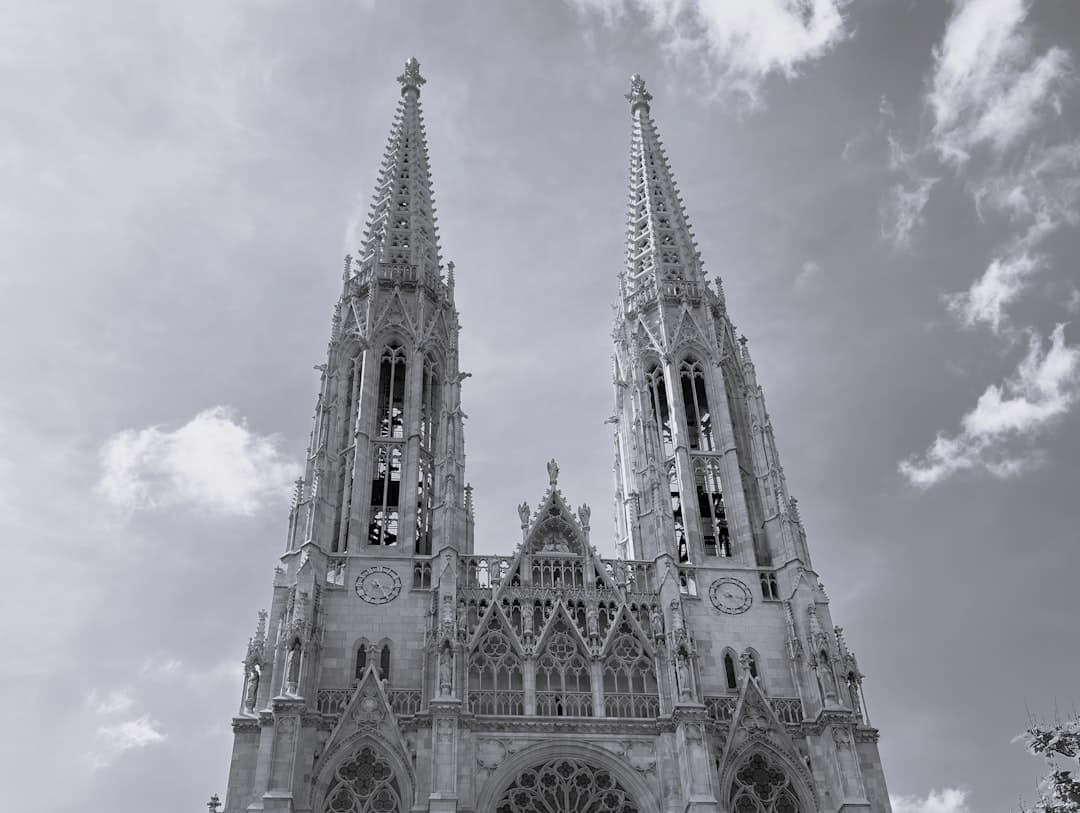
Germany holds one of the densest concentrations of castle architecture in the world. Estimates from heritage organizations place the number of surviving castles, castle ruins, and fortified palaces across the country in the thousands, a legacy shaped by the fragmented political landscape of the Holy Roman Empire, which incentivized regional rulers to build defensive and residential strongholds across their territories.
Landmark Sites and What They Represent
Neuschwanstein Castle in Bavaria ranks among the most recognized castle silhouettes globally. Commissioned by King Ludwig II of Bavaria in the 19th century, the structure was designed as a romanticized interpretation of medieval architecture rather than a functional fortress. It later served as a visual reference for the Sleeping Beauty Castle at Disneyland. The site receives a significantly high volume of visitors annually, making it one of Germany's foremost tourist destinations.
Along the Rhine and Moselle rivers, clusters of medieval fortifications sit on steep slopes above vineyard-lined valleys. The Upper Middle Rhine Valley, a UNESCO World Heritage Site since 2002, contains more than 40 castles and fortified towers within a roughly 65-kilometer stretch. This concentration reflects the region's historical role as a trade and transit corridor, where tolls were collected from river traffic.
Cultural Tourism and Preservation
Many German castles have been converted into hotels, museums, youth hostels, and event venues, extending their function beyond static heritage sites. State governments and private foundations maintain ongoing restoration programs, supported in part by cultural tourism revenue. Organizations such as the German Castles Association (Deutsche Burgenvereinigung) coordinate preservation efforts and documentation of castle architecture across the country.
Visitor interest spans architectural history, medieval military strategy, dynastic genealogy, and landscape photography. Castle-focused travel routes, including the Castle Road (Burgenstraße) connecting Mannheim to Prague, formalize these itineraries for international travelers.
Open Questions
How will rising restoration costs and climate-related erosion affect the long-term preservation of smaller, less-visited castle ruins? What role will digital archiving and virtual tours play in broadening access to sites that face structural limitations on physical visitor numbers?
Sources: UNESCO World Heritage Centre (whc.unesco.org), Deutsche Burgenvereinigung (burgenvereinigung.de), Bavarian State Ministry for Tourism, German National Tourist Board (germany.travel)
This article is based on a verified primary source. The text was editorially reviewed and fact-checked prior to publication.