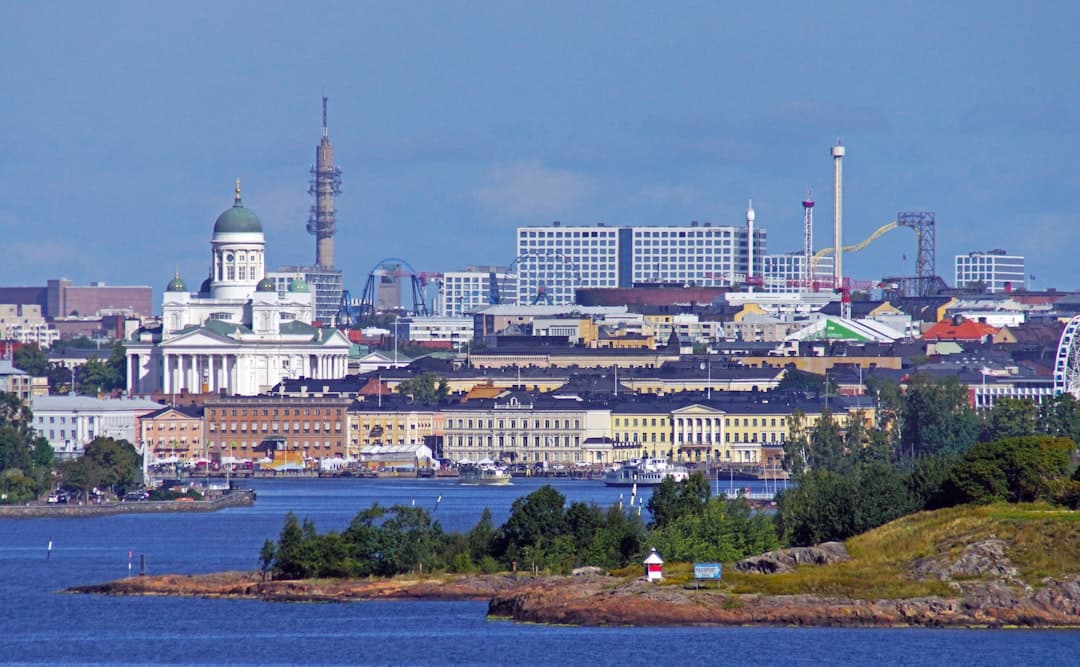
Finland has produced a design tradition that extends well beyond its borders, leaving a measurable mark on how the world approaches form, material, and utility. The movement draws from a cultural philosophy that prioritizes honest craftsmanship and the relationship between people and the natural world.
Roots in Functionalism
Finnish design gained international recognition during the mid-twentieth century, when designers such as Alvar Aalto brought organic forms and innovative use of birch wood and bent plywood to global audiences. Aalto's furniture and architectural works, distributed through his company Artek, became standard references in design education across Europe and North America. The 1952 Helsinki Olympics and subsequent world exhibitions helped cement Finland's reputation as a serious design nation.
Marimekko and the Democratization of Pattern
The textile and fashion company Marimekko, founded in Helsinki in 1951, became one of the most recognizable Finnish cultural exports. Its bold, geometric patterns entered mainstream consumer markets globally and have maintained commercial relevance across successive generations. The brand is sold in dozens of countries and has collaborated with major international retailers.
Design as National Policy
The Finnish government has historically supported design as a component of national economic strategy. Design Finland, along with institutions such as Aalto University — named after the country's most celebrated designer-architect — trains practitioners who go on to work for leading international firms. This institutional investment has helped sustain a pipeline of talent recognized in global competitions and industry awards.
Contemporary Relevance
Finnish design principles — minimal ornamentation, ecological material choices, and user-centered thinking — align closely with priorities that now dominate product and architectural sectors worldwide. Scandinavian and Nordic aesthetics broadly have seen sustained commercial demand, with Finnish work occupying a distinct position within that movement due to its particular emphasis on durability and relationship to forested landscapes.
Open Questions
Whether emerging Finnish designers can maintain distinctiveness as Nordic aesthetics become increasingly commercialized globally remains an open question. The role of digital product design — software interfaces and digital goods — as a new frontier for Finnish design identity is also under discussion within the field.
Sources: Artek official history, Marimekko corporate profile, Aalto University institutional records, Design Museum Helsinki, Finnish Fair Corporation historical archives.
This article is based on a verified primary source. The text was editorially reviewed and fact-checked prior to publication.