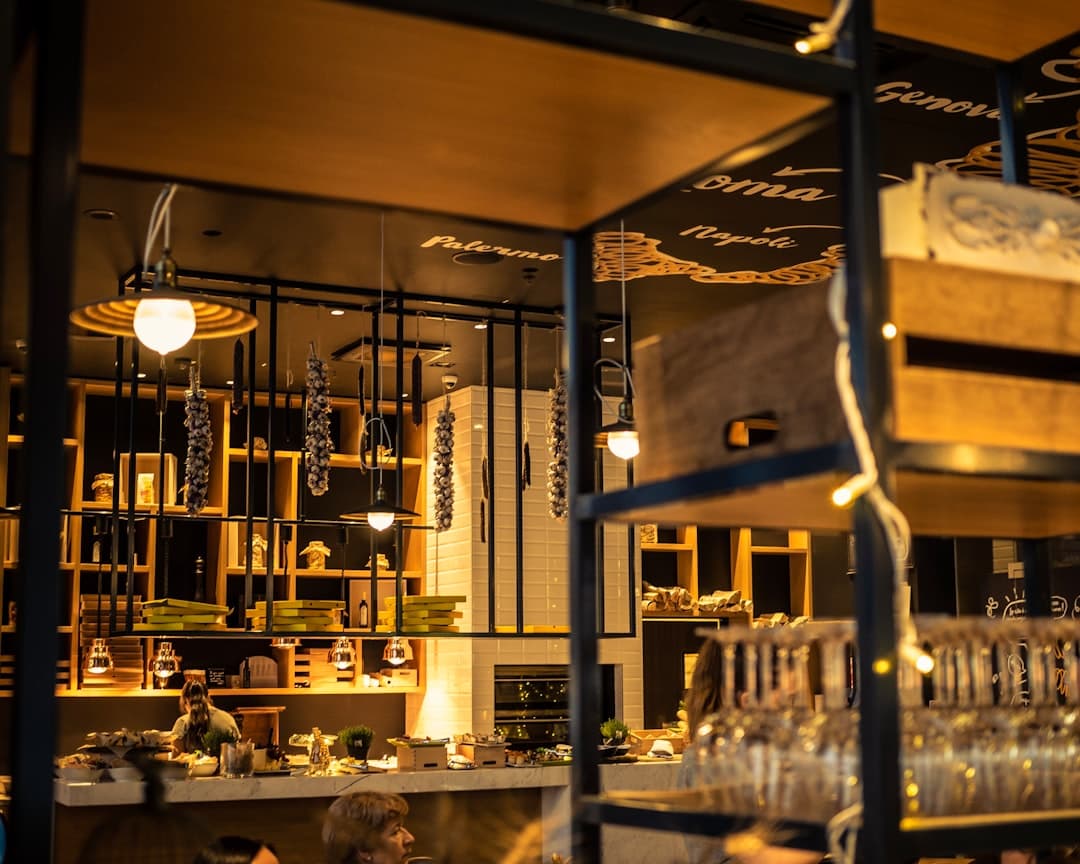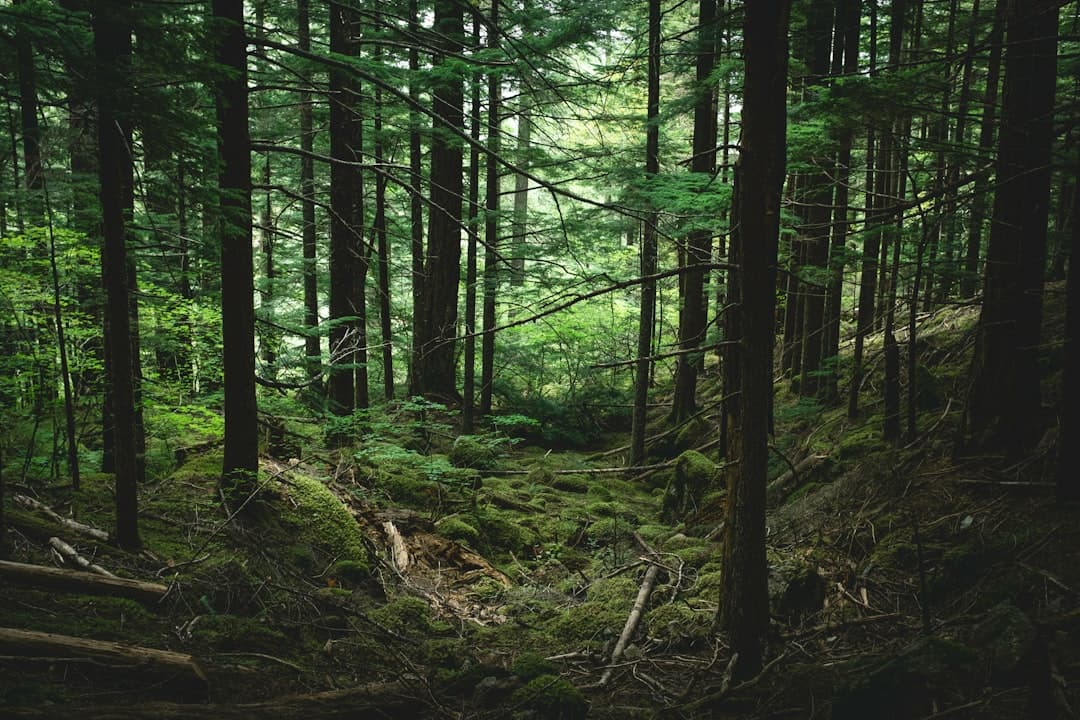
Latvia's relationship with its forests has long extended beyond timber and recreation. Mushrooms, wild berries, pine shoots, birch sap, and foraged herbs have sustained Latvian households for generations, forming a culinary foundation that predates modern agriculture. That foundation is now influencing a new wave of Baltic dining.
A Pantry Rooted in the Wild
Latvia is among the most densely forested countries in the European Union, with woodland covering more than half of its territory. This geographic reality has historically shaped what Latvians eat. Chanterelles, boletus mushrooms, lingonberries, and cloudberries remain staple seasonal ingredients, gathered from forests that are publicly accessible under traditional rights of way.
Fermentation and preservation techniques — used for centuries to extend the shelf life of foraged goods through long northern winters — are also re-emerging as culinary tools rather than mere survival methods. Lacto-fermented vegetables, dried mushroom powders, and birch-smoked preparations are appearing on menus that position themselves within a broader conversation about Nordic and Baltic food culture.
Riga as a Culinary Reference Point
Riga, Latvia's capital and its largest city, has become a reference point for this movement within the region. Several restaurants in the city have built their identities around hyper-local and foraged sourcing, earning recognition from European food critics and travel publications. Latvia has also been included in broader discussions about the so-called New Nordic cuisine, a movement that gained international visibility through Scandinavian restaurants and has since expanded to encompass Baltic culinary traditions.
Cultural and Economic Dimensions
The renewed interest in forest-based ingredients carries both cultural and economic dimensions. It reinforces a national identity closely tied to the natural landscape while also supporting small-scale foragers, rural producers, and artisan food makers. Latvian food culture is increasingly being promoted through tourism initiatives that highlight seasonal foraging experiences alongside traditional cooking methods.
The movement reflects a wider European trend toward regional specificity in food, where provenance and ecological context are becoming as significant as technique.
Open Questions
Whether Latvia's forest cuisine can sustain international culinary interest beyond niche tourism circles, and how climate shifts affecting forest ecosystems may alter the availability of traditional ingredients, remain subjects of ongoing discussion among food researchers and environmental analysts.
Sources: European Environment Agency (forest coverage data), Latvian Tourism Development Agency, Nordic Food Lab documentation, European Commission rural development reports.
This article is based on a verified primary source. The text was editorially reviewed and fact-checked prior to publication.