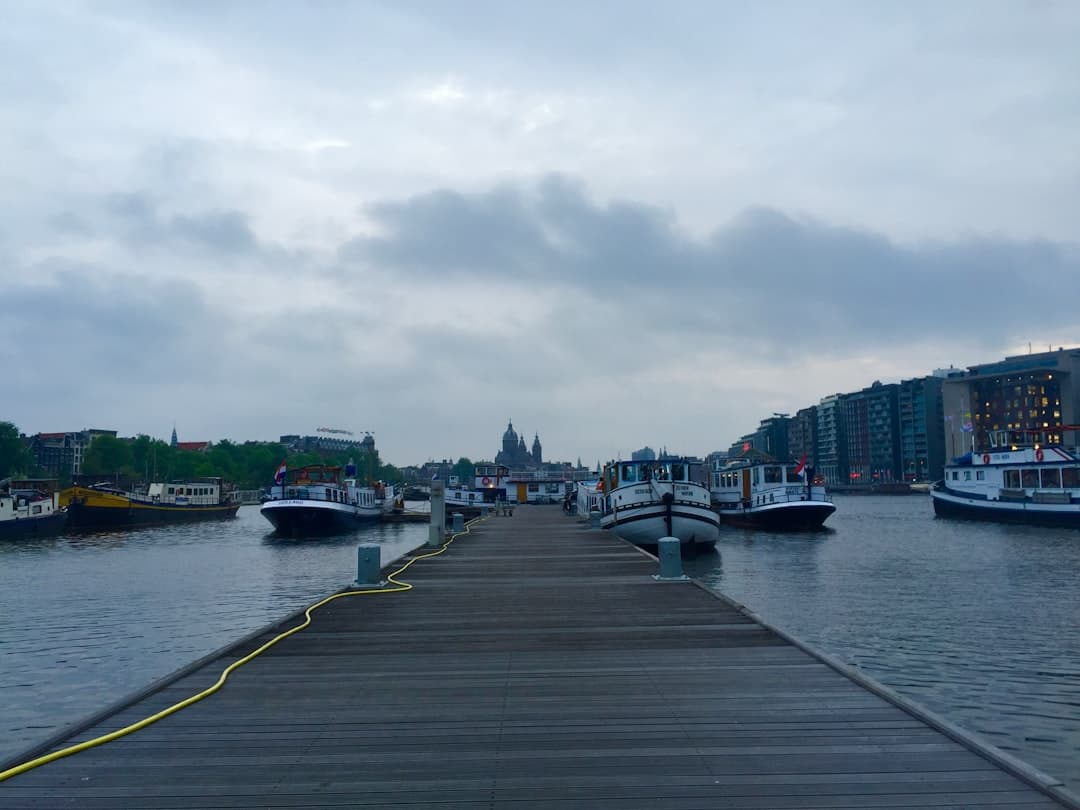
Perched at the heart of the Mediterranean Sea, the Maltese archipelago has developed a culinary culture inseparable from the ocean surrounding it. Fishing has been a cornerstone of Maltese daily life for centuries, and that heritage is reflected directly in the menus of restaurants lining harbors from Marsaxlokk to St. Julian's.
A Cuisine Built Around Local Waters
The village of Marsaxlokk, situated on Malta's southeastern coast, serves as the archipelago's principal fishing hub. Its Sunday fish market draws both locals and visitors seeking freshly landed catches, and the surrounding restaurants are known for sourcing directly from the boats that dock there. Lampuki — a dolphinfish known locally by that name — holds particular cultural significance and appears across menus during its seasonal availability in autumn.
Other commonly featured species include swordfish, sea bream, red mullet, and octopus. Traditional preparations tend toward simplicity: grilling over open flame, baking with local olive oil, or slow-cooking in tomato-based broths that reflect broader Mediterranean influences absorbed through centuries of contact with neighboring cultures.
Regional Dishes With Documented Roots
Aljotta, a fish soup seasoned with garlic, tomatoes, and marjoram, is one of Malta's most recognized traditional dishes and appears in historical culinary records tied to the islands. Stuffed squid, known locally as klamar mimli, represents another dish with well-established roots in domestic Maltese cooking, adapted over generations from ingredients readily available to fishing communities.
The Maltese government has promoted geographic food identity as part of broader tourism and agricultural policy, with certain local products carrying recognized designations that help restaurants market their regional character to an international clientele.
Tourism and Tradition
Malta's tourism sector, one of the island's primary economic drivers, has accelerated international interest in local food culture. Coastal dining establishments have responded by maintaining traditional recipes alongside adaptations suited to diverse palates, balancing culinary heritage with commercial demand.
Open Questions
How sustainable are current fish stocks in Maltese waters given increased demand? To what extent are younger Maltese chefs reinterpreting traditional seafood dishes, and how does this affect culinary continuity?
Sources: Malta Tourism Authority (mta.com.mt), FAO Mediterranean fisheries documentation, Maltese Department of Fisheries and Aquaculture, historical culinary records via Heritage Malta.
This article is based on a verified primary source. The text was editorially reviewed and fact-checked prior to publication.


