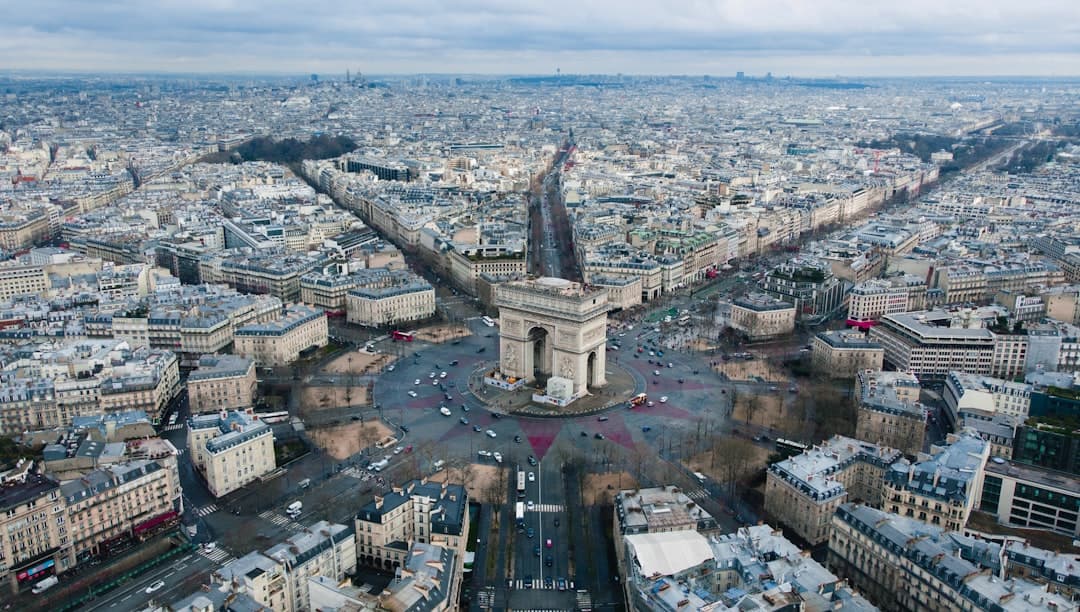
France has long positioned cultural heritage as a matter of national identity, backing that stance with a dense network of legal instruments, public institutions, and dedicated funding streams. The result is a preservation system that operates across multiple levels of government and engages both public bodies and private actors.
Legal Foundations
At the core of French heritage law is the concept of the monument historique, a classification established in the nineteenth century and refined continuously since. Buildings, objects, and sites awarded this status receive legal protection against alteration or demolition without state approval. The Ministry of Culture administers the classification process and oversees compliance, working alongside regional directorates known as DRAC — the Directions Régionales des Affaires Culturelles — which manage heritage policy at the local level.
Museums and Collections
France operates a vast network of national and regional museums, with institutions such as the Louvre, the Musée d'Orsay, and the Centre Pompidou holding collections that span antiquity to contemporary art. These museums are largely state-owned or state-supported, and their acquisitions are subject to strict export controls designed to keep significant works within French borders. French law also grants the state a right of pre-emption at public auctions, allowing authorities to acquire works deemed essential to the national patrimony before they pass to private buyers.
Intangible Heritage and Living Traditions
Preservation efforts extend beyond physical objects. France actively participates in UNESCO's Intangible Cultural Heritage conventions, seeking recognition for practices ranging from traditional craftsmanship to culinary arts. Domestic programs support artisan trades through guilds and certification schemes, helping pass specialized skills across generations.
Private Sector Partnerships
Corporate sponsorship has grown as a complementary funding source, particularly for restoration projects. French tax law offers incentives for private donations to heritage causes, a mechanism that has channeled significant private capital toward the upkeep of historic buildings and museum collections alike.
Open Questions
How sustainable is France's funding model as public budgets face pressure? And to what extent do heritage classifications risk freezing living urban spaces in forms that no longer match contemporary needs?
Sources: French Ministry of Culture (culture.gouv.fr), UNESCO Intangible Cultural Heritage Lists, Musées de France public documentation, French Code du Patrimoine.
This article is based on a verified primary source. The text was editorially reviewed and fact-checked prior to publication.