France receives more international tourist arrivals than any other country in the world, a position it has held for decades according to data compiled by the United Nations World Tourism Organization. The country's geographic diversity — spanning Alpine peaks, Atlantic coastlines, Mediterranean beaches, and river valleys — gives it an unusually broad appeal across different traveler profiles.
Paris and Beyond
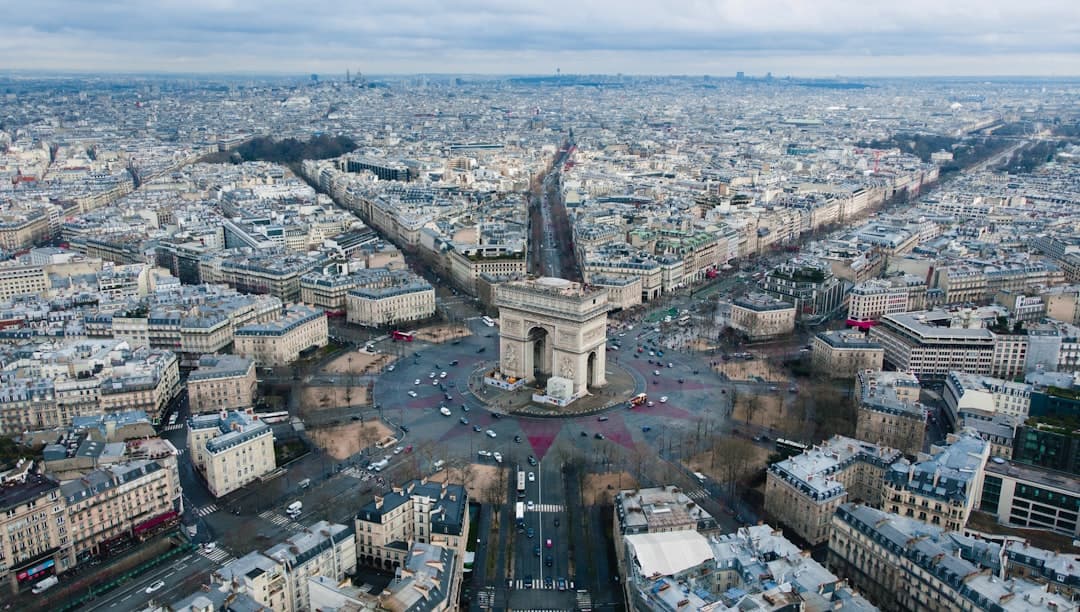
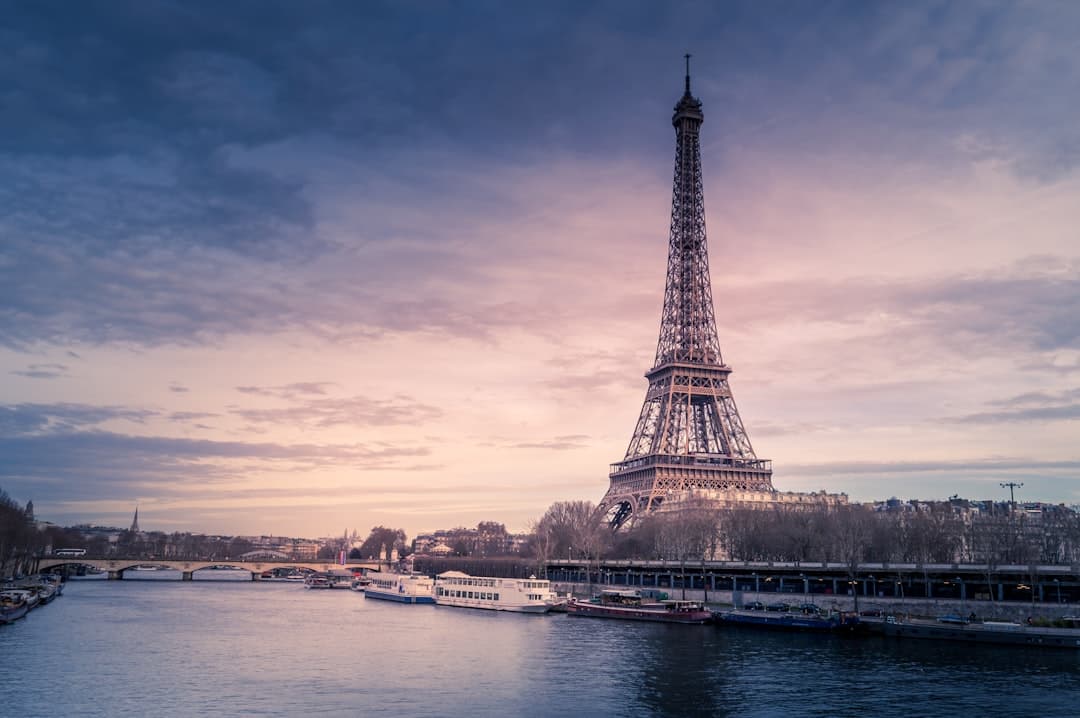
Paris remains one of the most recognized cities on Earth, home to landmarks including the Eiffel Tower, the Louvre, and Notre-Dame Cathedral. The capital draws visitors year-round, supported by one of Europe's most connected international airports at Charles de Gaulle. However, domestic tourism patterns show that regions outside Paris — including Provence, the Loire Valley, Brittany, and the French Riviera — attract significant visitor volumes in their own right.
Cultural and Culinary Infrastructure
France holds one of the largest concentrations of UNESCO World Heritage Sites in Europe. Its national museum network, regional festivals, and wine-producing appellations — from Bordeaux to Burgundy — contribute to a tourism ecosystem that extends well beyond conventional sightseeing. French gastronomy itself was inscribed on the UNESCO Intangible Cultural Heritage list, reflecting its recognized global standing.
Accessibility Across Europe
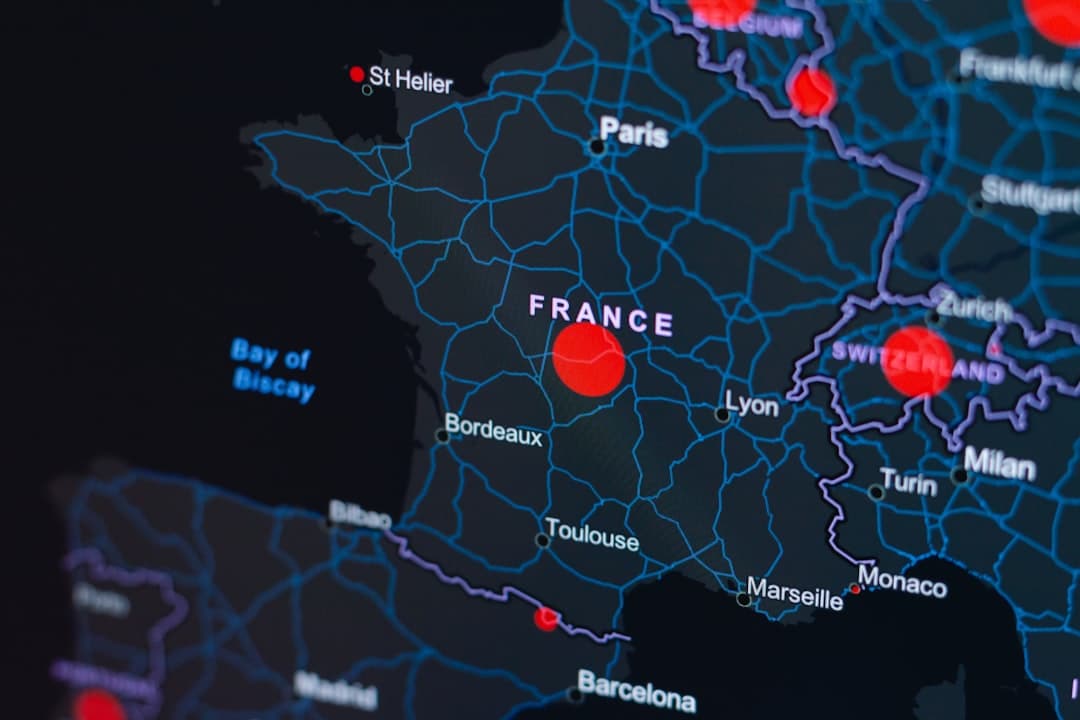
France's position at the center of Western Europe makes it easily reachable by rail, road, and air from neighboring countries. The high-speed TGV rail network connects major French cities internally and links to international routes across Belgium, the United Kingdom via the Channel Tunnel, and Spain. This infrastructure reduces barriers for short-stay visitors and supports repeat tourism from nearby markets.
Sustained Investment in Tourism
The French government and regional authorities have maintained sustained investment in tourism promotion and heritage preservation. Renovation projects at major sites, expansion of cycling and hiking trail networks, and initiatives promoting lesser-known rural destinations reflect a long-term strategy to distribute visitor flows and extend tourist seasons beyond peak summer months.
Open Questions
Whether rising travel costs across Europe will shift visitor patterns toward less established destinations remains an area analysts continue to monitor. The pace of infrastructure recovery at heritage sites damaged in recent years also presents ongoing logistical considerations for tourism planners.
Sources: UN World Tourism Organization (UNWTO), UNESCO World Heritage Convention, French Ministry for Europe and Foreign Affairs, SNCF (French National Railway Corporation)
This article is based on a verified primary source. The text was editorially reviewed and fact-checked prior to publication.