Landlocked at the heart of Europe, Austria occupies a geographical and cultural position that few of its neighbors can match. Bordered by eight countries and bisected by the Alps, it functions simultaneously as a gateway to Central Europe and a self-contained destination with remarkable internal variety.
Winter: Alpine Infrastructure on a Continental Scale
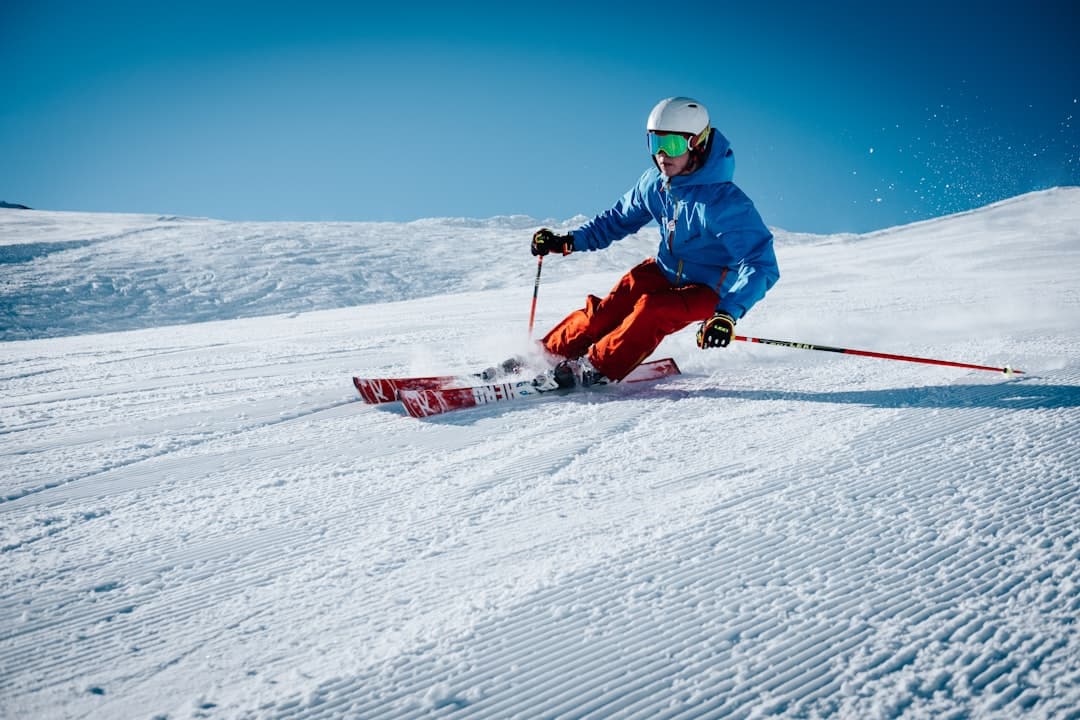
Austria's ski infrastructure ranks among the most developed in the world. Resorts such as St. Anton am Arlberg, Kitzbühel, and the Ischgl area draw visitors from across Europe and beyond each winter season. The country's investment in lift systems, snow management, and mountain hospitality has made Austrian skiing a benchmark against which other Alpine nations are frequently measured.
Spring and Autumn: Culture and Countryside
Outside peak ski season, Austria's cultural calendar continues without interruption. Vienna, consistently ranked among the world's most livable cities, anchors a year-round program of classical music, opera, and museum exhibitions. The Vienna State Opera and the Kunsthistorisches Museum maintain international reputations that attract visitors independently of seasonal tourism patterns. The wine-growing regions of the Wachau and Burgenland see significant visitor traffic during the spring and harvest months, offering agritourism experiences tied to Austria's established viticulture traditions.
Summer: Festivals and Lakeside Tourism
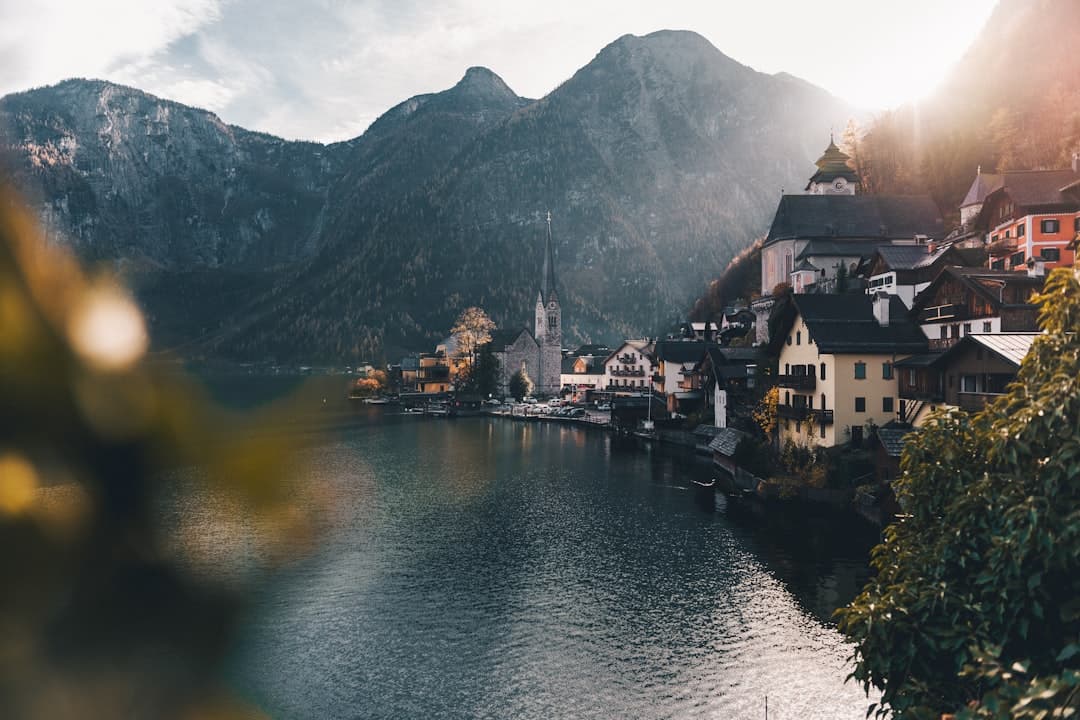
The summer months bring a separate wave of tourism centered on open-air festivals and lake districts. The Salzburg Festival, held annually, is among the most prestigious classical music events in the world, drawing audiences from dozens of countries each year. Meanwhile, the Salzkammergut lake region — which includes the UNESCO-listed village of Hallstatt — offers scenery that has made it one of the most photographed areas in Europe.
Transport Links Sustaining Accessibility
Austria's position within the Schengen Area and its well-maintained rail network, including frequent connections on the European high-speed corridor, make it accessible from major continental cities without requiring air travel. Vienna International Airport provides intercontinental links, ensuring the country remains reachable for long-haul visitors as well.
Open Questions
Whether continued mass tourism to sites like Hallstatt can be managed sustainably, and how Austria will balance winter sports promotion against long-term climate pressures on Alpine snowfall, remain subjects of ongoing policy discussion.
Sources: Austrian National Tourist Office (Austria Tourism), UNESCO World Heritage List, Salzburg Festival official records, Mercer Quality of Living Survey (Vienna rankings), European Travel Commission regional data.
This article is based on a verified primary source. The text was editorially reviewed and fact-checked prior to publication.