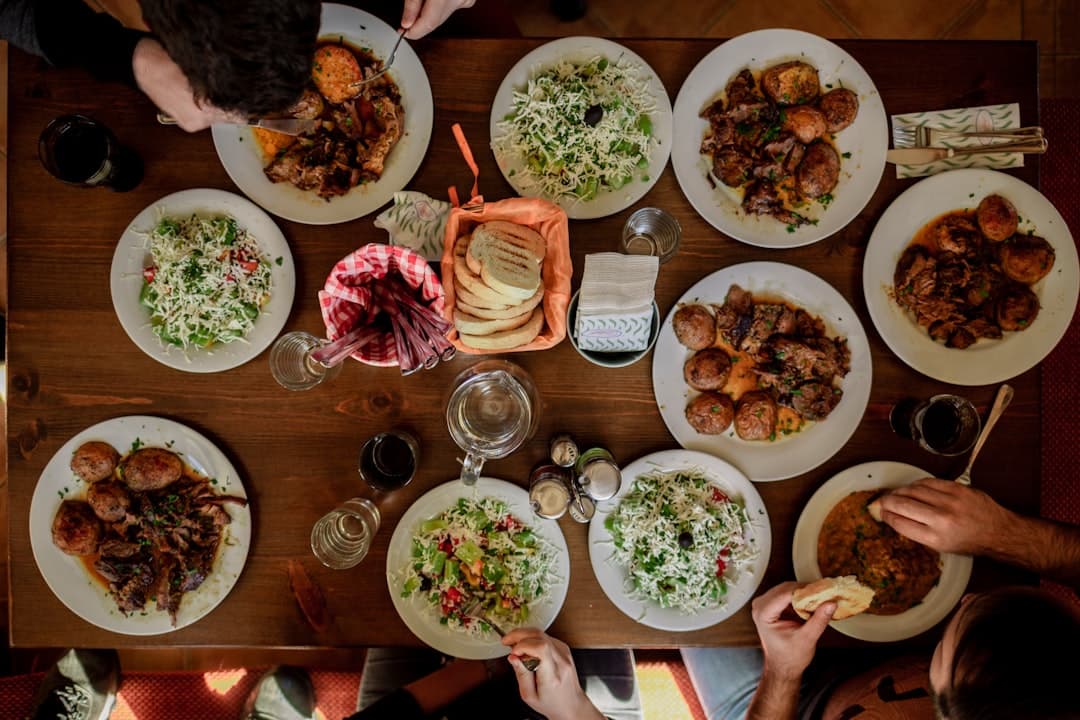
From the cured meats of Calabria to the rye breads of Scandinavia's interior provinces, European regional cuisines — long overshadowed by the dominance of internationalized dining — are re-emerging as a serious cultural and commercial force. The shift is visible in restaurant menus, food markets, agricultural policy, and tourism programs across the continent.
What Is Driving the Revival
Several overlapping forces appear to be behind the change. Consumer interest in food provenance — where ingredients come from, how they are produced, and who produces them — has grown substantially over the past decade. This has created commercial conditions favorable to producers of regionally specific goods, from artisan cheesemakers in the Auvergne to small-batch olive oil pressers in the Peloponnese.
The European Union's protected designation of origin (PDO) and protected geographical indication (PGI) frameworks have also played a structural role. These designations legally protect the names and production methods of regionally defined foods, giving producers a recognized identity in both domestic and export markets. The number of registered products under these schemes has grown steadily, spanning categories from cured meats and cheeses to fruits, vegetables, and spirits.
Parallel to policy mechanisms, a generation of chefs trained in classical technique has turned toward hyperlocal sourcing as a professional philosophy. This has brought dishes rooted in peasant and agrarian traditions into fine dining contexts, lending regional ingredients and preparations a visibility they had not previously enjoyed in high-end hospitality.
Tourism as a Catalyst
Culinary tourism has emerged as one of the more concrete drivers of regional food revival. European destinations increasingly market food heritage as a primary attraction, with routes, festivals, and accredited experiences centered on local products. Regions such as the Basque Country, Emilia-Romagna, and Alsace have long traded on gastronomic identity, but the model has spread to areas with less established reputations.
Rural tourism programs supported by EU structural funds have, in several member states, invested in food-based visitor experiences as a mechanism for economic diversification. The logic connects local producers to hospitality businesses, creating supply chains that reinforce demand for regionally specific ingredients.
The Role of Food Media and Education
Documentary filmmaking, food journalism, and social media content focused on culinary heritage have brought obscure regional preparations to broad audiences. Dishes and ingredients once known only within tight geographic communities — particular fermented products, heritage grain varieties, or traditional preservation methods — have gained followings far beyond their places of origin.
Culinary schools in several European countries have responded by incorporating regional and historical cooking into curricula that were previously oriented toward French classical technique or contemporary international styles. This shift in professional education is expected to sustain the trend across successive cohorts of working chefs.
Tensions and Complications
The revival is not without friction. Authenticity debates arise when regional dishes are reinterpreted for urban or tourist markets in ways that local communities consider distorted. There are also economic tensions between small traditional producers and larger industrial operations that seek to market products under protected regional names while using scaled, mechanized methods.
Demographic pressures in rural areas remain a structural challenge. The artisanal knowledge required to produce many traditional foods is held by aging populations, and succession is not guaranteed. Preservation efforts by culinary heritage organizations and national cultural bodies are ongoing but vary significantly in scope and funding across different countries.
The trajectory of European regional cuisine ultimately depends on whether economic incentives, educational investment, and consumer demand remain aligned over the longer term — a convergence that has proven historically difficult to sustain.
Open Questions
Which regional food traditions face the highest risk of extinction due to demographic decline? How will climate change affect the agricultural conditions that define region-specific ingredients? Can PDO and PGI frameworks adapt quickly enough to protect emerging traditional products?
Sources: European Commission — Quality Schemes for Agricultural Products and Foodstuffs; UNESCO Intangible Cultural Heritage documentation; EU Rural Development Policy framework documentation; World Food Travel Association research on culinary tourism trends.
This article is based on a verified primary source. The text was editorially reviewed and fact-checked prior to publication.


