The cities of Florence, Venice, Siena and Mantua share a common thread: each played a formative role in shaping the cultural and intellectual movement known as the Renaissance, which flourished broadly between the 14th and 17th centuries. Centuries later, the physical and institutional fabric of that era remains largely intact within their historic boundaries.
Architecture as Living Record
Florence's cathedral complex, the Uffizi Gallery and the Palazzo Vecchio continue to serve public and civic functions while housing collections of global significance. The Uffizi alone holds one of the most comprehensive repositories of Renaissance painting in existence, drawing visitors from every continent on a sustained basis throughout the year.
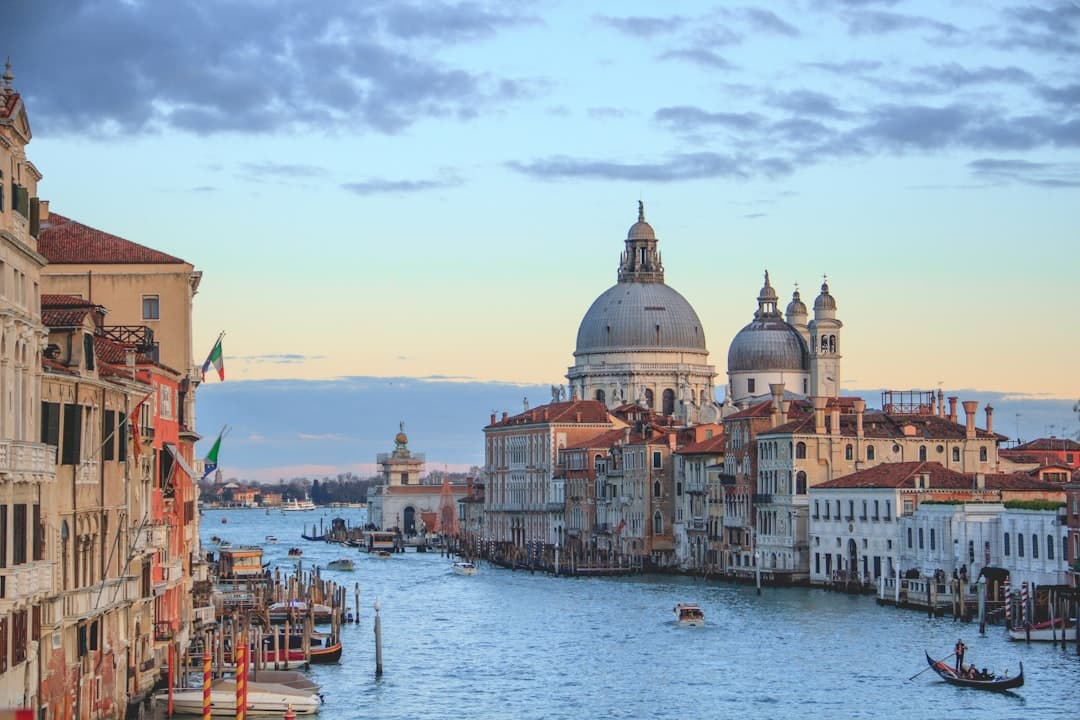
Venice, built across a lagoon and engineered without conventional foundations, presents a distinct architectural legacy. Its palaces, basilicas and the network of canals that define its urban structure have remained largely unchanged in form since the height of the Republic of Venice.
Institutions and Living Traditions
Beyond physical monuments, these cities maintain active institutions — academies, libraries, craft workshops and municipal museums — that sustain traditions rooted in the Renaissance period. Florentine artisan workshops specialising in bookbinding, goldsmithing and fresco restoration operate under apprenticeship models with documented continuity over multiple generations.
Siena preserves the Palio, a horse race held twice annually in the Piazza del Campo, an event with origins traced to medieval and early Renaissance civic ritual. The event functions within a neighbourhood guild structure, the contrade system, that has persisted for centuries.
Preservation Under Pressure
Urban conservation in these cities is managed under Italian national heritage law and, where applicable, UNESCO operational guidelines. Authorities face ongoing challenges balancing tourism infrastructure, residential housing needs and the structural maintenance of buildings that predate modern engineering standards. Mass tourism has placed measurable strain on narrow historic streetscapes and fragile architectural surfaces in several of these centres.
Open Questions
How will Italian municipalities fund long-term structural restoration as climate-related humidity and flooding intensify? Can apprenticeship-based craft traditions attract sufficient numbers of younger practitioners to ensure continuity?
Sources: UNESCO World Heritage List (whc.unesco.org), Italian Ministry of Culture (cultura.gov.it), Uffizi Galleries official records (uffizi.it), Municipality of Siena historical documentation.
This article is based on a verified primary source. The text was editorially reviewed and fact-checked prior to publication.