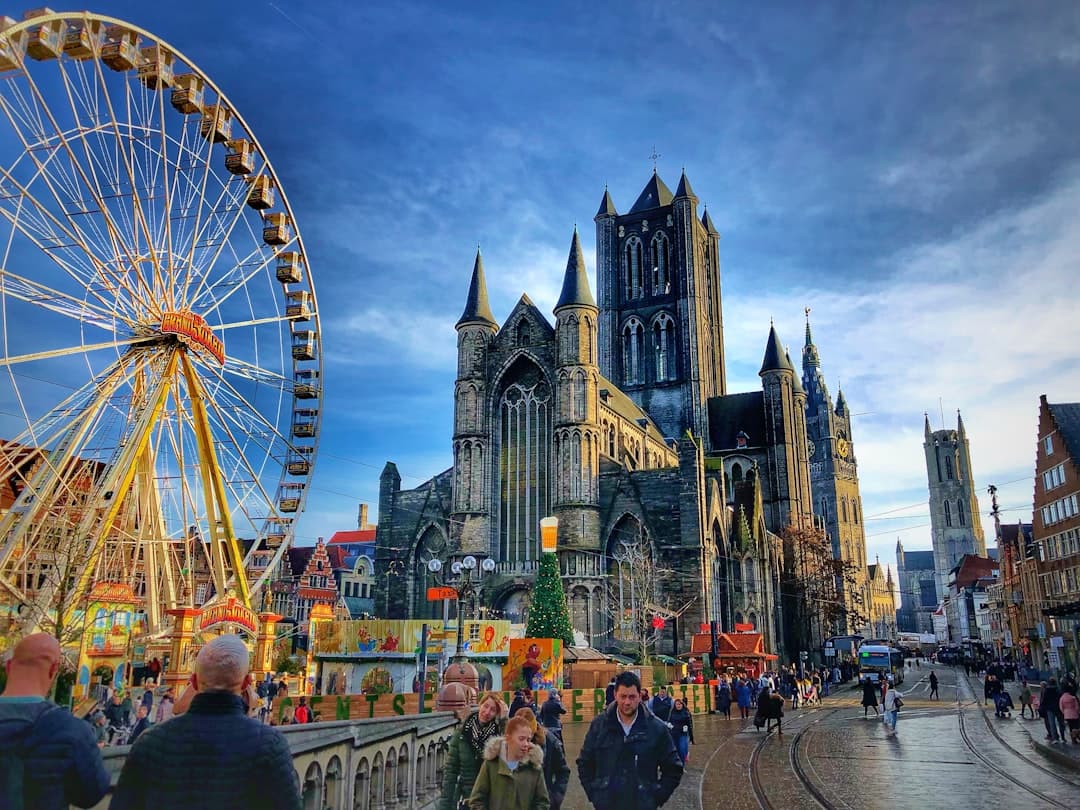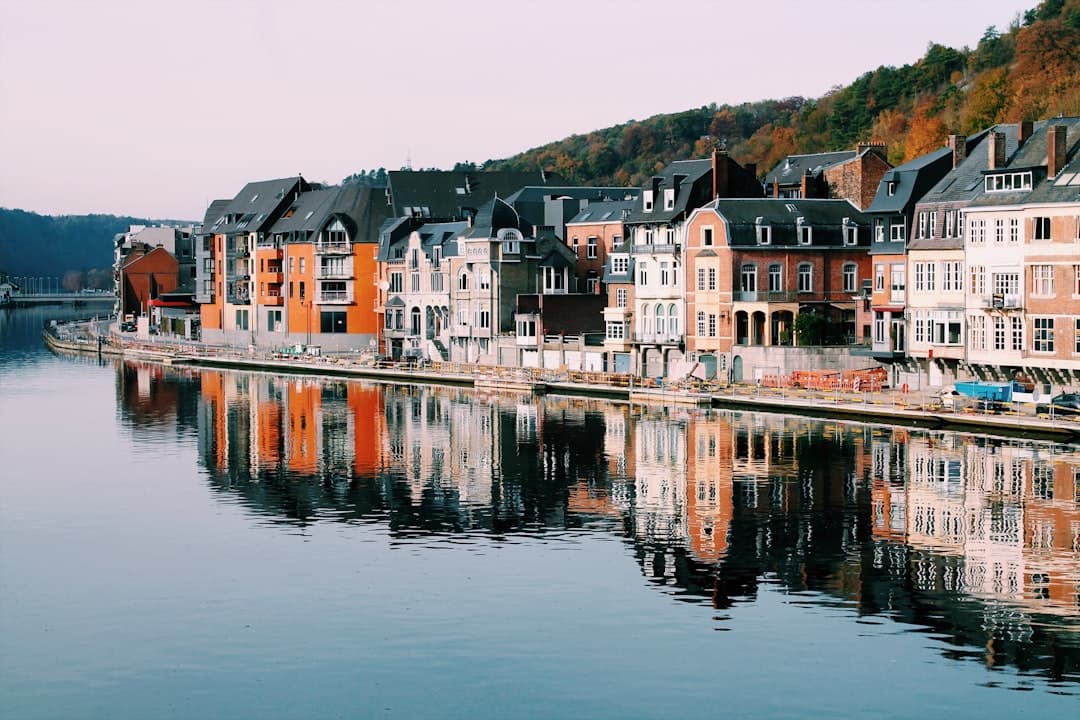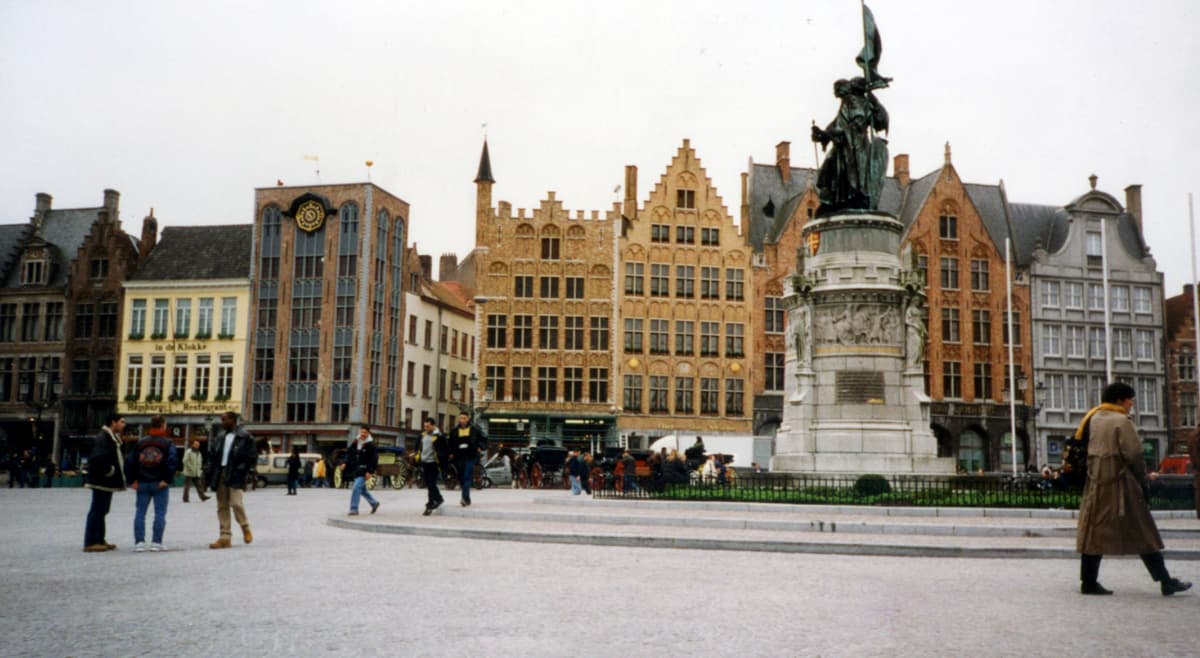
Belgium occupies a distinctive place in European cultural tourism, offering an unusually dense concentration of medieval heritage within a small national territory. Cities such as Bruges, Ghent, and Leuven contain historic cores that have survived largely intact, drawing visitors seeking architecture, craftsmanship, and urban history dating back to the Middle Ages.
A Landscape Shaped by the Middle Ages
Bruges, often described as one of the best-preserved medieval cities in northern Europe, features a network of canals, Gothic churches, and market squares that reflect the city's former status as a major trading hub of the Hanseatic League. The historic center of Bruges was designated a UNESCO World Heritage Site, a recognition that has contributed to its international profile.
Ghent, home to the Saint Bavo Cathedral and the Van Eyck altarpiece known as the Ghent Altarpiece, draws visitors interested in both medieval religious architecture and Flemish art. The city's Gravensteen castle, a well-maintained example of medieval fortification, adds further depth to its heritage offering.
Infrastructure Supporting Heritage Tourism
Belgium's rail network connects its major heritage cities efficiently, allowing visitors to travel between Bruges, Ghent, Brussels, and Leuven with relative ease. The country's central position within Europe, combined with major international airports, supports arrivals from long-haul destinations including North America and East Asia.
Regional tourism authorities in both Flanders and Wallonia have invested in multilingual visitor resources, museum infrastructure, and conservation programs. The beguinages of Flanders, a collection of historic religious communities also listed by UNESCO, represent another layer of medieval heritage that draws scholarly and general audiences alike.
Economic and Cultural Significance
Heritage tourism forms a significant component of Belgium's broader tourism economy. Conservation efforts, partly funded through European Union cultural programs, work to balance the demands of high visitor volumes with the preservation requirements of aging structures. Municipal authorities in cities like Bruges have implemented visitor management strategies to protect the physical fabric of historic neighborhoods while maintaining access for international travelers.
Open Questions
How will Belgian cities manage the long-term tension between tourism growth and structural conservation? Will climate-related risks — including increased rainfall and flooding — affect the preservation of canal-side medieval structures in the coming decades?
Sources: UNESCO World Heritage List (whc.unesco.org), Visit Flanders (visitflanders.com), Visit Brussels (visit.brussels), European Commission Culture and Tourism programs (ec.europa.eu)
This article is based on a verified primary source. The text was editorially reviewed and fact-checked prior to publication.