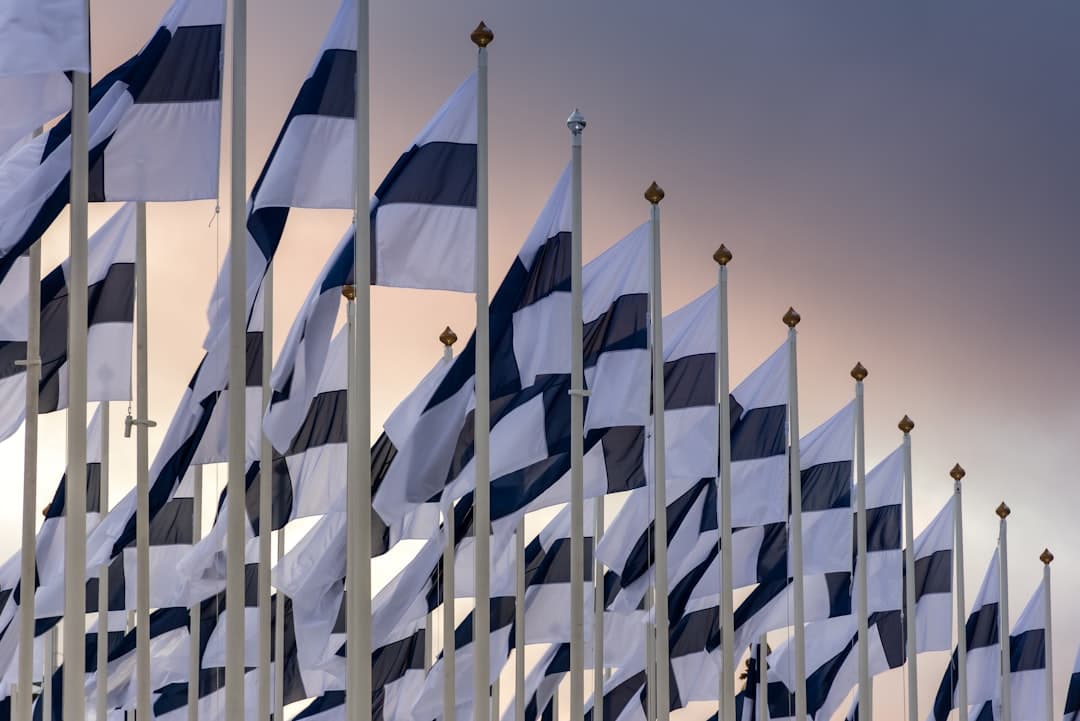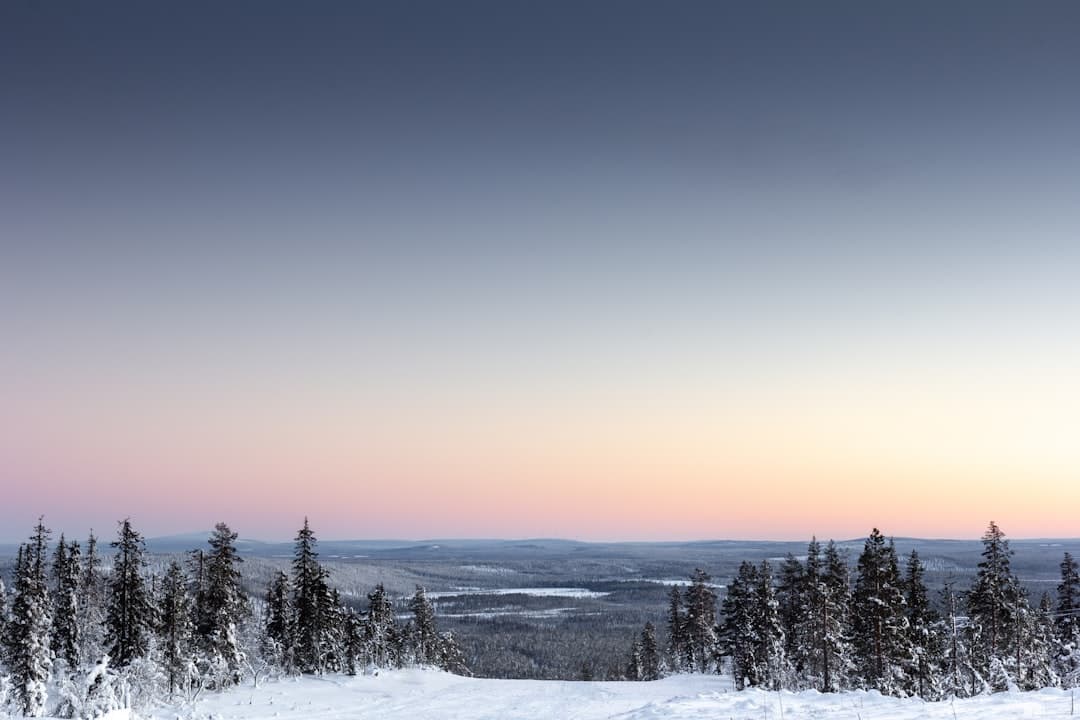
Finland's Lapland region, stretching above the Arctic Circle, has established itself as a sought-after destination for travelers from across Europe, Asia, and North America. The area offers a range of experiences tied closely to its subarctic environment and the distinct rhythms of its seasons.
Seasonal Appeal
Winter months draw visitors primarily for the opportunity to witness the northern lights, a natural atmospheric phenomenon visible in Arctic latitudes during periods of darkness. The season also supports activities such as cross-country skiing, snowshoeing, and dog sledding across vast wilderness areas. In contrast, summer brings the phenomenon of the midnight sun, during which daylight persists around the clock for weeks, attracting a separate wave of travelers interested in hiking, fishing, and open-water activities.
Infrastructure and Accessibility
Airports in cities such as Rovaniemi and Kittilä receive direct and connecting flights from major European hubs, making the region accessible without the need for extensive overland travel. The Finnish tourism sector has developed a range of accommodation options in the region, from traditional log cabins to glass-roofed lodges designed specifically for aurora viewing.
Cultural Dimensions
Lapland is also home to the Sámi people, the indigenous population of northern Scandinavia, whose cultural heritage adds a distinct dimension to the visitor experience. Responsible tourism operators in the region have increasingly emphasized culturally respectful engagement with Sámi traditions, including reindeer herding practices and traditional handicrafts known as duodji.
Broader Context
Finland's broader tourism infrastructure benefits from the country's reputation for safety, cleanliness, and well-maintained natural environments. Visit Finland, the national tourism promotion agency, has actively marketed Arctic experiences to international audiences, contributing to sustained interest in Lapland as a travel destination across multiple seasons.
Open Questions
How will increasing visitor numbers affect the ecological balance of Arctic environments in Lapland? What measures are being taken to ensure Sámi cultural sites and practices are protected as tourism expands?
Sources: Visit Finland (visitfinland.com), Finnish Meteorological Institute, Sámi Parliament of Finland, European Travel Commission regional reports.
This article is based on a verified primary source. The text was editorially reviewed and fact-checked prior to publication.