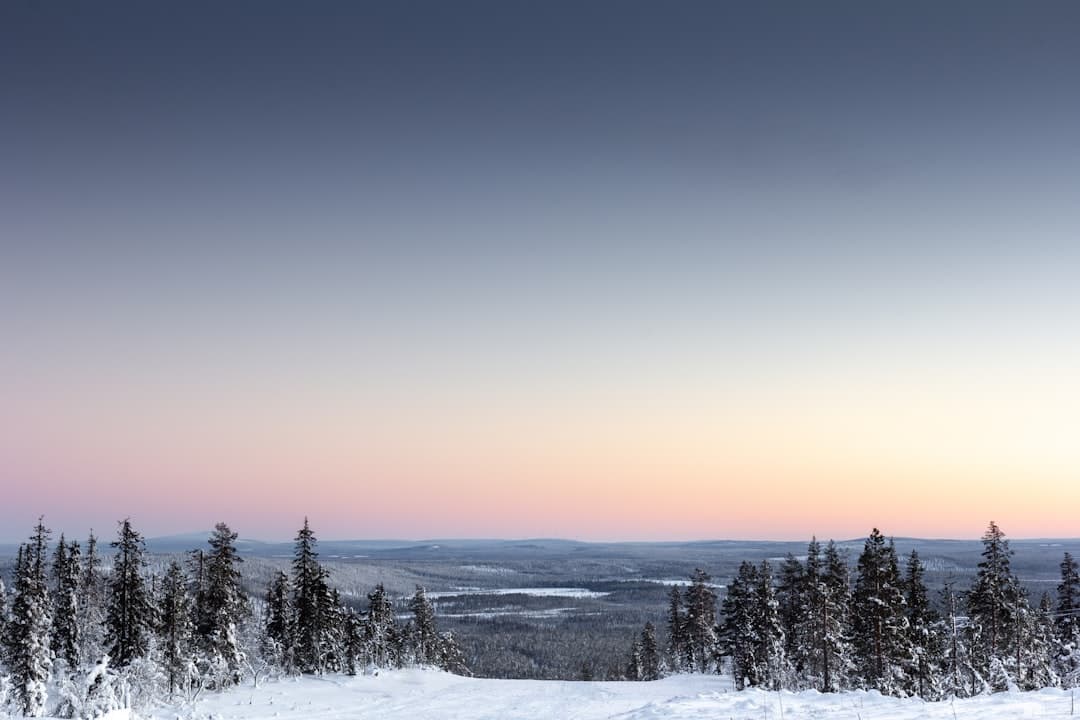
Finland's Lakeland, known domestically as the Järvi-Suomi, covers a substantial portion of the country's interior and is recognized as one of the largest lake districts in Europe. The area is characterized by tens of thousands of lakes, dense boreal forests, and a network of waterways that have shaped both the landscape and local culture for centuries.
Summer on the Water
During the warmer months, the region becomes a hub for water-based recreation. Canoeing, kayaking, and stand-up paddleboarding are widely available, with rental operators and marked waterway routes accessible to visitors at various skill levels. Cottage rentals along lakeshores remain a cornerstone of Finnish summer culture, with properties available through established booking platforms and regional tourism agencies. Swimming in the lakes, typically from wooden docks attached to private or rental cottages, is a deeply ingrained seasonal tradition.
Winter Draws a Separate Crowd
When temperatures drop and the lakes freeze, the landscape shifts into a venue for a different set of activities. Ice fishing is practiced widely and requires only a basic permit obtainable through Finnish wildlife authorities. Cross-country skiing trails connect many of the small towns and villages that dot the region, and snowshoeing routes through forested terrain are maintained by local municipalities. The Finnish sauna tradition, which pairs steam bathing with plunges into cold water or snow, is accessible at most accommodation providers year-round.
Gateway Towns and Access
Savonlinna, Tampere, and Lappeenranta serve as common entry points to different parts of the Lakeland. All three cities have rail connections to Helsinki, and regional bus networks extend further into rural areas. The Saimaa lake system, one of the largest in Europe, is anchored near Lappeenranta and draws visitors interested in both recreation and the habitat of the critically endangered Saimaa ringed seal, a species found nowhere else on Earth.
Tourism infrastructure across the Lakeland has expanded in recent years, with the Finnish Tourism Board actively promoting the area to international visitors as an alternative to more congested Nordic destinations.
Open Questions
Whether expanded international air access to regional airports could further increase visitor numbers, and how increased tourism may affect the fragile Saimaa ringed seal habitat, remain subjects of ongoing discussion among local authorities and conservation groups.
Sources: Visit Finland (visitfinland.com), Finnish Wildlife Agency (riista.fi), UNESCO and WWF documentation on Saimaa ringed seal, Finnish Transport and Communications Agency (traficom.fi)
This article is based on a verified primary source. The text was editorially reviewed and fact-checked prior to publication.