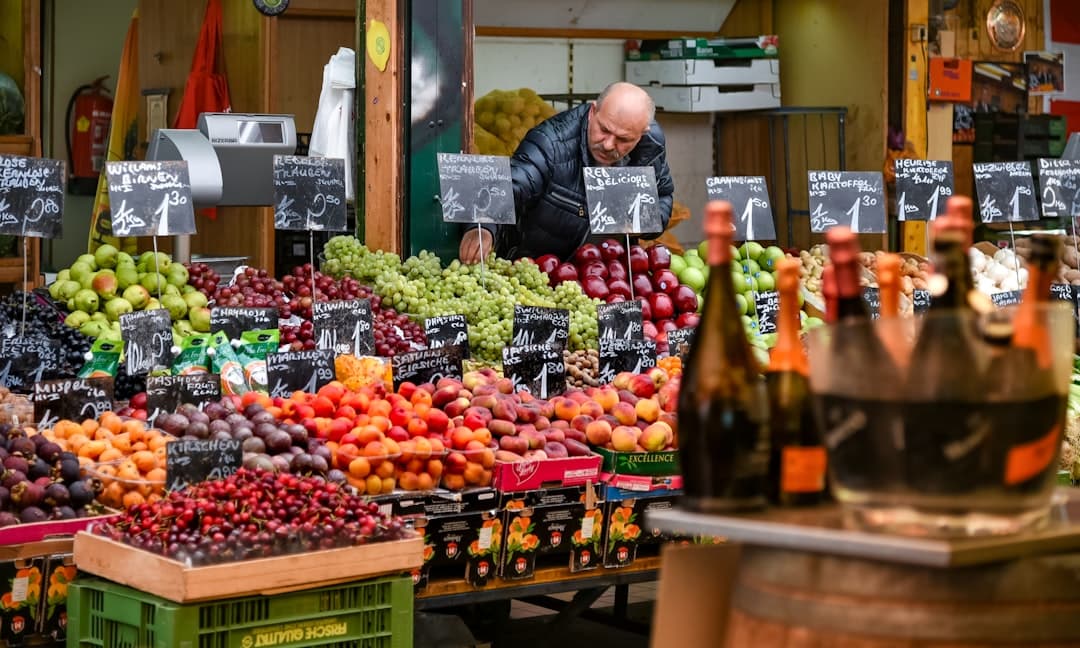
From the market stalls of Provence to the fishing harbors of the Faroe Islands, European kitchens are increasingly turning to ingredients grown, raised, or harvested within their own regions. The trend reflects a broader recalibration of food culture — one that places geographic origin alongside flavor and price as a primary consideration for both professional chefs and home cooks.
A Shift in Consumer Priorities
Consumer behavior across the European Union has shifted notably toward products bearing regional or national origin labels. Certification schemes such as the EU's Protected Designation of Origin (PDO) and Protected Geographical Indication (PGI) — which cover products ranging from Parmigiano-Reggiano cheese to Scotch whisky — have seen growing registrations and recognition among shoppers. Retailers in Germany, France, and the Netherlands have expanded dedicated sections for domestic produce in response to measurable increases in demand.
Environmental considerations have played a significant role in this shift. Concerns over the carbon footprint associated with long-haul food transport have prompted both institutional buyers and individual consumers to scrutinize supply chains more carefully. School cafeterias, hospital canteens, and government facilities in several EU member states have adopted procurement policies that prioritize regional suppliers.
Chefs Redefining National Cuisines
Professional kitchens have become a visible driver of the local sourcing movement. Restaurants across Scandinavia, the Iberian Peninsula, and Central Europe have built menus structured around what is available within a defined geographic radius, adjusting dishes seasonally as local harvests fluctuate. This approach, sometimes described as hyper-seasonal cooking, has influenced culinary school curricula in countries including Denmark, Spain, and Austria.
The New Nordic movement, which emerged in Scandinavia in the early 2000s and gained international recognition through institutions such as Copenhagen's Noma, helped establish a philosophical framework that other regional food cultures subsequently adapted. Its core principles — foraging, fermentation, and strict reliance on indigenous ingredients — have been interpreted and reapplied in kitchens from the Basque Country to the Polish highlands.
Agricultural and Economic Dimensions
The preference for local ingredients carries direct consequences for agricultural economies. Small and medium-sized farms in regions such as Brittany in France, Emilia-Romagna in Italy, and Bavaria in Germany have reported stronger direct relationships with urban buyers, including restaurants, food co-operatives, and weekly markets. Community-supported agriculture schemes, in which consumers pay in advance for a share of a farm's seasonal output, have expanded significantly across Western and Northern Europe.
The European Commission's Farm to Fork Strategy, a component of the European Green Deal, has provided policy backing for shorter supply chains. The strategy sets targets for expanding organic farming and reducing the use of synthetic pesticides, measures that align with the conditions under which many locally sourced ingredients are produced.
Challenges to Wider Adoption
The movement faces structural constraints. Local sourcing can increase food costs, creating accessibility barriers for lower-income households. Seasonal availability limits menu diversity and requires greater flexibility from both suppliers and buyers. In densely populated urban areas, the logistical infrastructure for consistent local delivery remains underdeveloped in some markets.
Climate variability also introduces uncertainty. Unpredictable growing seasons, exacerbated by changing weather patterns across the Mediterranean and Northern Europe, can disrupt supply agreements and force buyers to source from farther afield on short notice.
Despite these challenges, the structural direction across European food systems — supported by policy frameworks, consumer preferences, and culinary influence — continues to favor closer ties between the land and the table.
Open Questions
Whether local sourcing can be made financially accessible across income levels remains unresolved. The extent to which EU policy targets will translate into measurable supply chain changes, and how climate disruption will affect the reliability of regional harvests over the coming decades, are questions European food systems will continue to confront.
Sources: European Commission Farm to Fork Strategy (ec.europa.eu); EU PDO/PGI Registry (ec.europa.eu/agriculture); New Nordic Food Manifesto (Nordic Council of Ministers); European Environment Agency food systems reporting.
This article is based on a verified primary source. The text was editorially reviewed and fact-checked prior to publication.


