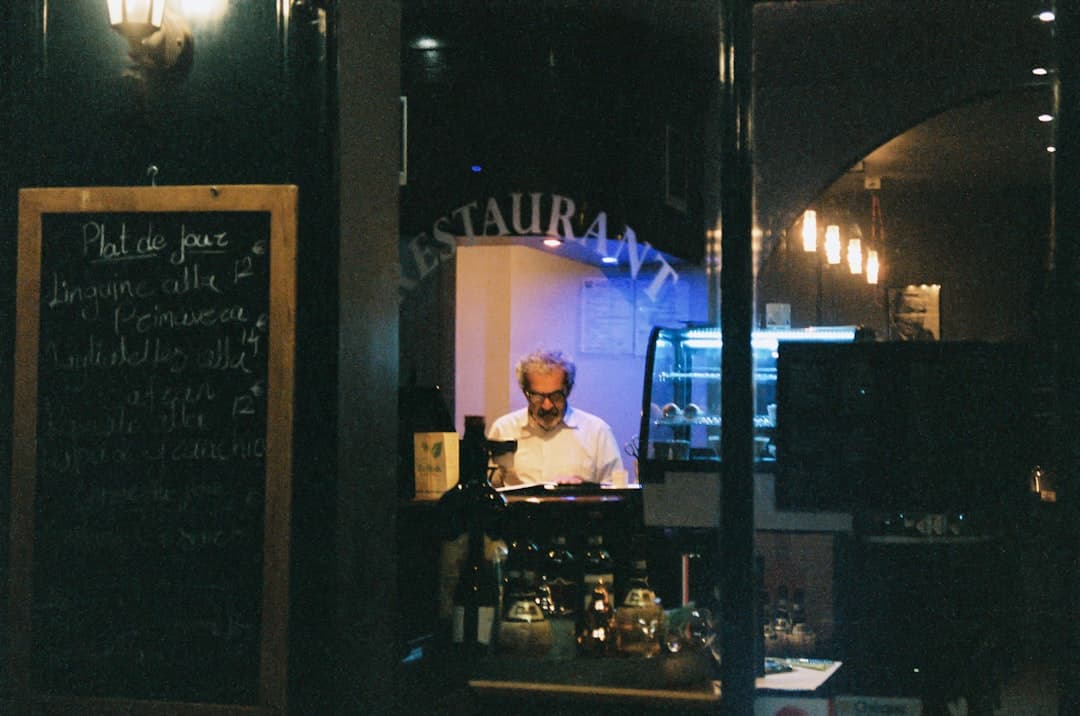
From Lisbon to Helsinki, the European dining landscape is undergoing a quiet but measurable transformation. Restaurants, canteens, and catering companies are rethinking their sourcing, waste management, and menu design — not simply as a marketing exercise, but as a response to binding policy frameworks and evolving market conditions.
The Regulatory Foundation
The European Union's Farm to Fork Strategy, a central pillar of the European Green Deal, has established ambitious targets for reducing the environmental footprint of food systems across member states. The strategy calls for a significant reduction in food waste, a shift toward shorter supply chains, and a measurable increase in organic production across EU territory. National governments have translated these targets into local legislation at varying speeds, creating a patchwork of standards that food businesses operating across borders must navigate carefully.
The European Commission has also pushed for mandatory front-of-pack nutrition labelling and stricter oversight of sustainability claims, targeting what regulators describe as greenwashing in the food and beverage sector. Businesses found making unsubstantiated environmental claims now face formal enforcement action under updated EU consumer protection rules.
Supply Chain Realignment
One visible consequence of these policy shifts has been a restructuring of procurement relationships between restaurants and their suppliers. Seasonal menus tied to regional produce have moved from a niche positioning tool to a mainstream operational model in many markets. In France, Germany, and the Nordic countries, public procurement rules already require institutional food providers — including school canteens and hospital catering — to source a defined proportion of organic or locally certified ingredients.
Smaller farms and regional food cooperatives have benefited from this shift, as larger food service operators seek to demonstrate traceable supply chains. At the same time, the transition has placed cost pressure on mid-range restaurants operating on thin margins, particularly in urban centres where real estate and labour costs remain high.
Consumer Behaviour and Menu Design
Market research across European markets consistently shows that consumer appetite for plant-forward menus has grown substantially over the past decade. This trend has accelerated particularly among younger demographics in Western and Northern Europe. Restaurant operators have responded by reducing animal protein portions, introducing flexitarian options, and reformulating traditional dishes using alternative ingredients.
Food waste reduction has also become a visible element of restaurant branding. Several major European cities now operate municipal programmes that connect restaurants with food redistribution platforms, allowing surplus ingredients and prepared meals to reach social support networks rather than landfill sites. Participation in such programmes has grown alongside broader corporate sustainability reporting requirements introduced under EU non-financial disclosure rules.
Certification and Verification
A growing number of third-party certification schemes operate across Europe to verify sustainability claims made by food businesses. Schemes such as the EU Organic Logo, the Rainforest Alliance certification, and various national eco-label programmes provide consumers with standardised reference points. However, the proliferation of competing labels has prompted calls from industry bodies for greater harmonisation to avoid consumer confusion.
The Michelin Guide, long considered a benchmark for culinary excellence, has expanded its sustainability-focused Green Star award across European markets, signalling that environmental responsibility is now considered a legitimate dimension of professional kitchen standards alongside culinary craft.
Challenges Ahead
Despite measurable progress, the transition to fully sustainable food service practices faces structural obstacles. Energy costs, labour shortages in kitchen roles, and the logistical complexity of short supply chains in densely populated urban areas all present ongoing operational challenges. Industry associations have called on EU institutions to ensure that regulatory timelines remain aligned with the practical capacity of small and medium-sized food businesses to adapt.
The direction of travel, however, appears firmly established within EU policy architecture — and the continent's food sector is adjusting accordingly.
Open Questions
Will smaller independent restaurants receive sufficient support to meet emerging sustainability standards? How will the EU harmonise the growing number of competing certification labels? And to what extent will sustainable sourcing requirements affect food affordability for lower-income consumers?
Sources: European Commission Farm to Fork Strategy (ec.europa.eu); European Green Deal policy documentation; EU Non-Financial Reporting Directive; Michelin Guide Green Star programme; EU Organic Regulation (EU) 2018/848.
This article is based on a verified primary source. The text was editorially reviewed and fact-checked prior to publication.


