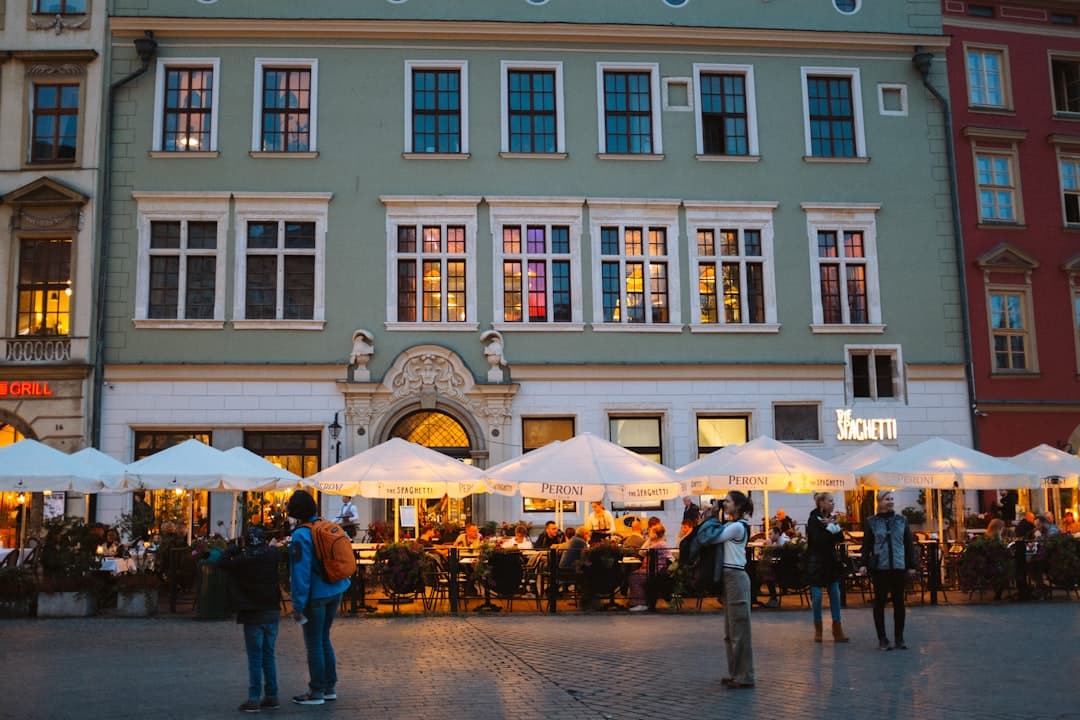
Culinary tourism has become one of the fastest-growing segments of the European travel market, with destinations competing not only on the strength of their restaurants but on the depth of their food traditions, market culture, and local producer networks. Several cities have consistently distinguished themselves as essential stops for travelers whose primary motivation is eating well.
San Sebastián, Spain
The Basque city of San Sebastián, known locally as Donostia, holds one of the highest concentrations of Michelin-starred restaurants per capita of any city in the world, a distinction independently verified by Michelin Guide publications. Beyond fine dining, the city's pintxos bars — small-plate establishments lining the streets of the Old Town — represent a deeply embedded food culture accessible at every budget level. The surrounding Basque Country supplies the city with seafood from the Bay of Biscay, local cheeses, and cider-house traditions that draw visitors throughout the year.
Lyon, France
Lyon has long carried the informal title of France's gastronomic capital, a reputation built on its network of bouchons — traditional Lyonnaise restaurants serving pork-centric, working-class cuisine rooted in centuries of local custom. The city sits at the confluence of the Rhône and Saône rivers, historically making it a crossroads for produce from Burgundy, the Auvergne, and the Alps. Lyon also hosts Sirha, one of the world's largest food and hospitality trade fairs, held on a biennial cycle.
Bologna, Italy
Bologna's regional cuisine — centered on fresh egg pasta, cured meats including the original mortadella, and Parmigiano-Reggiano produced under protected designation rules — has earned the city a reputation as one of Italy's most serious food destinations. The Emilia-Romagna region surrounding Bologna is also home to Prosciutto di Parma and traditional balsamic vinegar from Modena, making day trips from the city an extension of the culinary experience. Bologna was designated a UNESCO Creative City of Gastronomy, a classification the organization assigns based on documented culinary heritage.
Copenhagen, Denmark
Copenhagen's food scene underwent a significant transformation following the emergence of New Nordic cuisine in the early 2000s, a movement that emphasized foraged, fermented, and locally sourced Scandinavian ingredients. The city now supports a broad dining ecosystem ranging from Noma-influenced tasting menus to smørrebrød lunch counters serving traditional open-faced rye bread sandwiches. Copenhagen's covered food market, Torvehallerne, provides a concentrated overview of Danish and regional produce in a central location.
Thessaloniki, Greece
Thessaloniki is frequently cited by food writers and culinary researchers as Greece's most food-focused city, a distinction tied to its multicultural Ottoman and Byzantine history and its role as a regional hub for northern Greek produce. The city is associated with specific dishes — including its own style of bougatsa, a phyllo-based pastry, and a particular preparation of grilled meats — that differ meaningfully from Athenian counterparts. Its central market, Modiano, remains an active working market rather than a tourist attraction, reflecting the city's functional relationship with local food supply chains.
Porto, Portugal
Porto has gained considerable international attention as a food destination over the past decade, driven partly by the global rise in Portuguese wine exports — particularly from the Douro Valley, which begins near the city — and by renewed interest in traditional Portugese cooking. The city's tascas, small informal taverns, serve dishes such as francesinha, a layered meat sandwich in spiced tomato and beer sauce, alongside fresh Atlantic seafood. Porto's Mercado do Bolhão, a historic iron-framed market building, completed a major renovation and continues to serve as a primary gathering point for local vendors.
Open Questions
Whether emerging cities such as Tbilisi, Georgia — frequently grouped with European culinary destinations despite its geographic ambiguity — will gain formal recognition on established culinary tourism rankings remains to be seen. The criteria used by organizations like Michelin, UNESCO, and major travel publishers to rank food destinations also vary significantly, raising questions about standardization in culinary tourism metrics.
Sources: Michelin Guide publications; UNESCO Creative Cities of Gastronomy network; Sirha event documentation; Torvehallerne market records; Mercado do Bolhão renovation records (Porto City Council); Douro Valley wine region designation (Instituto dos Vinhos do Douro e do Porto)
This article is based on a verified primary source. The text was editorially reviewed and fact-checked prior to publication.


