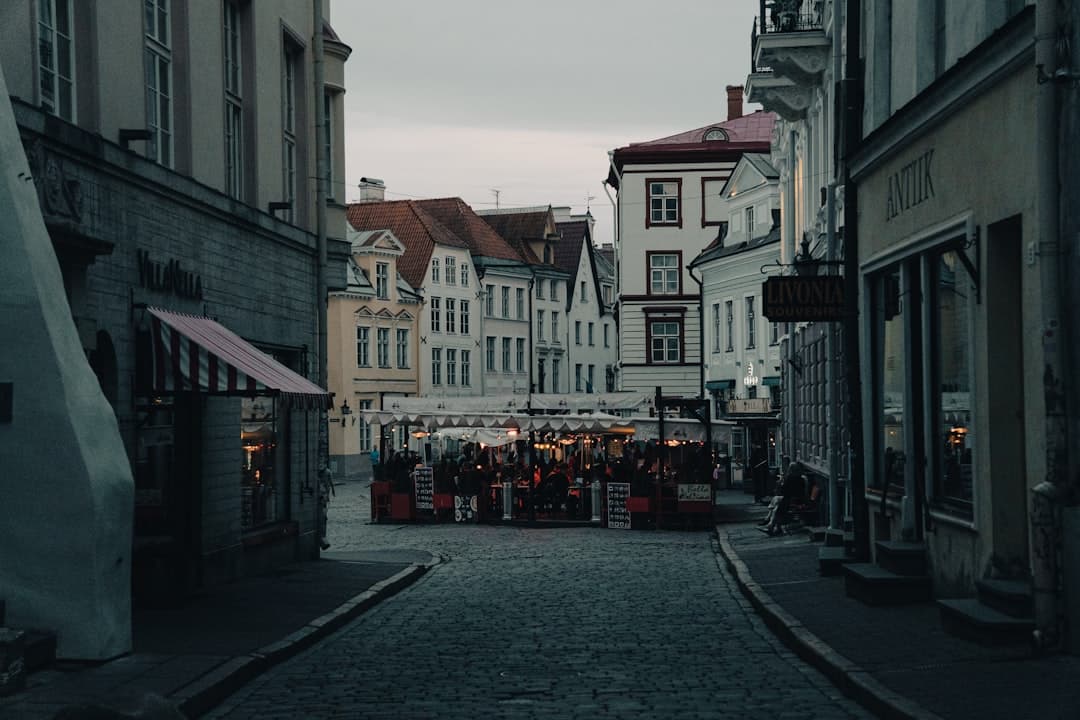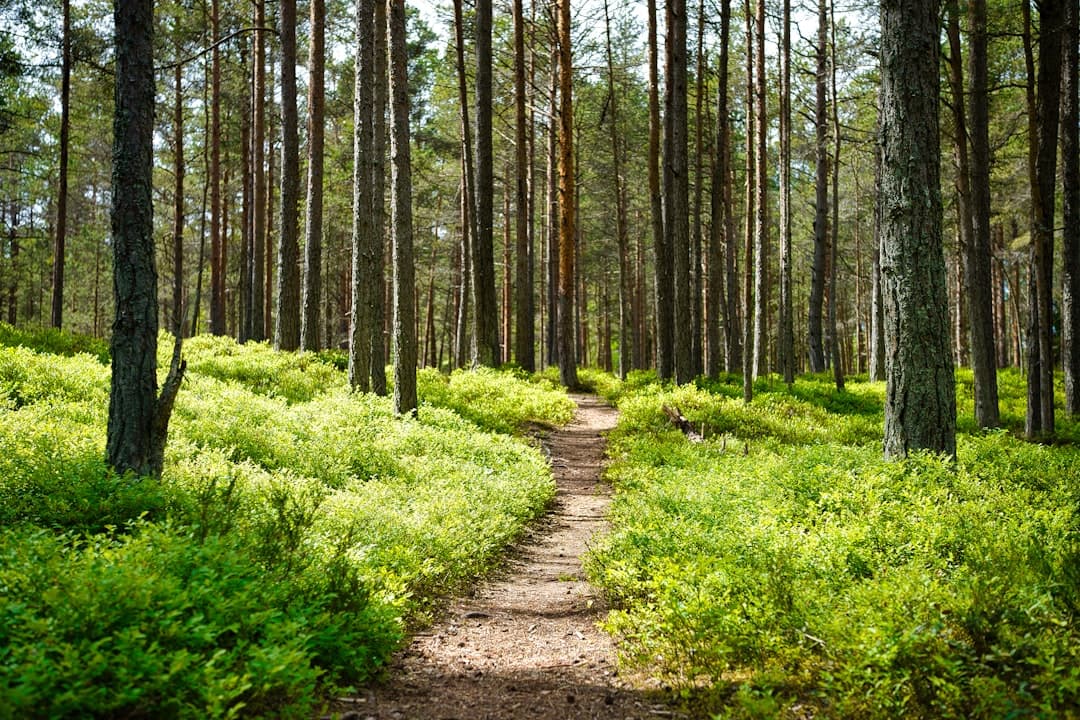
Estonia's western edge, where the country meets the Baltic Sea, presents one of Northern Europe's least commercialized coastal landscapes. The area encompasses rugged limestone cliffs, ancient fishing villages, dense pine forests reaching the waterline, and a network of islands that remain sparsely populated year-round.
The Islands of the West Estonian Archipelago
The West Estonian Archipelago Biosphere Reserve, recognized by UNESCO, covers the islands of Saaremaa, Hiiumaa, Muhu, and Vormsi, among others. Saaremaa, the largest Estonian island, is home to the Kaali meteorite crater field and Kuressaare Castle, a well-preserved medieval fortress on the island's southern coast. Hiiumaa is known for its historic lighthouses and low population density, conditions that have allowed native flora and fauna to remain largely undisturbed.
Coastal Habitats and Wildlife
The shoreline hosts a diverse range of habitats, including alvars — rare limestone grassland ecosystems found in only a few regions worldwide. These flat, open landscapes support plant and bird species that are uncommon elsewhere in Europe. The coastal waters and wetlands also serve as critical migration corridors for waterbirds traveling between breeding grounds in the Arctic and wintering areas farther south.
Outdoor Activities Along the Shore
Visitors to the Estonian coast engage in hiking along marked trails through coastal nature reserves, cycling across flat island terrain, sea kayaking between island chains, and birdwatching at designated observation points. The relatively calm waters of the inner archipelago are accessible to paddlers of varying experience levels during the warmer months, typically spanning late spring through early autumn.
Infrastructure and Accessibility
Ferry connections operate between the Estonian mainland and the larger islands, with routes departing from the ports of Virtsu and Rohuküla. Accommodation options on the islands range from guesthouses in village settings to farmstays offering direct access to agricultural and coastal environments. The Estonian road network on the mainland provides straightforward access to coastal departure points from the capital, Tallinn.
Open Questions
How increased tourism interest may affect the ecological sensitivity of UNESCO-recognized biosphere zones remains an area of ongoing monitoring by Estonian environmental authorities.
Sources: UNESCO Biosphere Reserve Directory, Estonian Tourist Board (visitestonia.com), Estonian Nature Conservation Act documentation, Saaremaa Municipality official resources.
This article is based on a verified primary source. The text was editorially reviewed and fact-checked prior to publication.