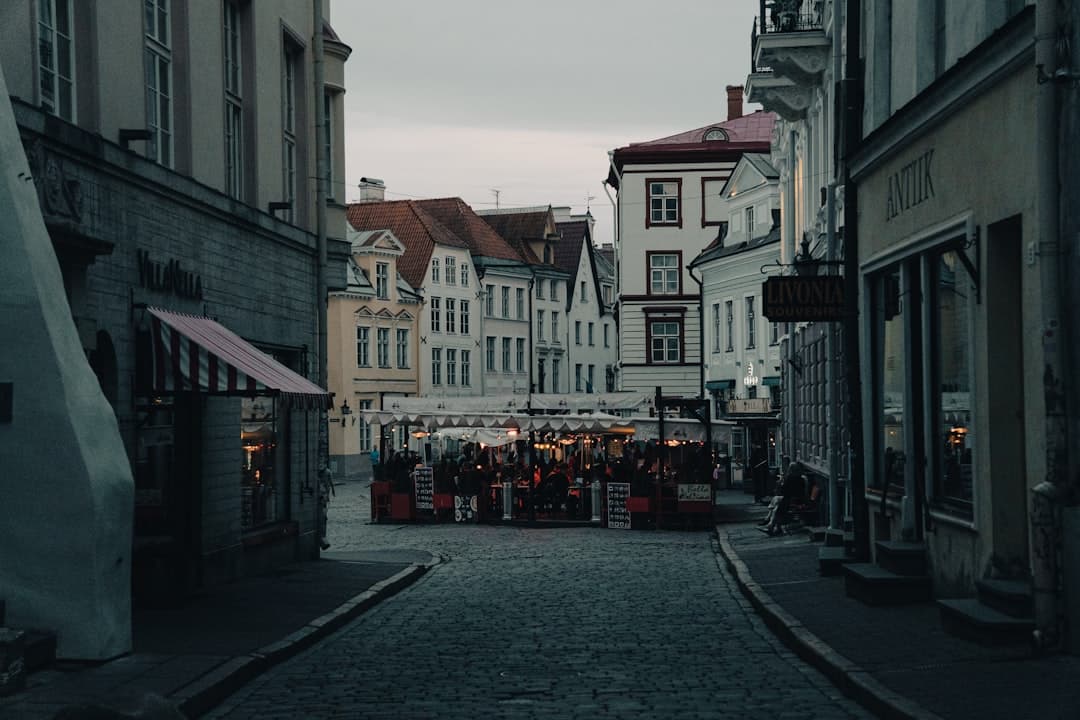
Estonia is a small country by European standards, yet its geographic and cultural variety extends well beyond the cobblestoned streets of its medieval capital. Travelers who allocate additional time beyond Tallinn encounter a landscape shaped by centuries of Nordic, German, and Russian influence, alongside a natural environment largely intact by Western European standards.
Tartu: Estonia's Intellectual and Cultural Centre
Located in the south of the country, Tartu is Estonia's second-largest city and home to the University of Tartu, one of the oldest universities in Northern Europe, founded in 1632. The city carries a distinct academic atmosphere, with a compact historic center built around Toome Hill, the site of a ruined cathedral dating to the 13th century. Tartu also houses the Estonian National Museum, which documents the history and ethnography of the Estonian people.
Saaremaa: The Largest of Estonia's Islands
Accessible by ferry from the mainland port of Virtsu, Saaremaa is known for its rural character, juniper forests, and the Kaali meteorite crater, one of the largest and best-preserved impact craters in Europe. Kuressaare, the island's main town, contains a remarkably well-preserved 14th-century episcopal castle, now functioning as a museum. The island's spa culture and coastal scenery have made it a popular destination for both domestic and international visitors.
Lahemaa National Park
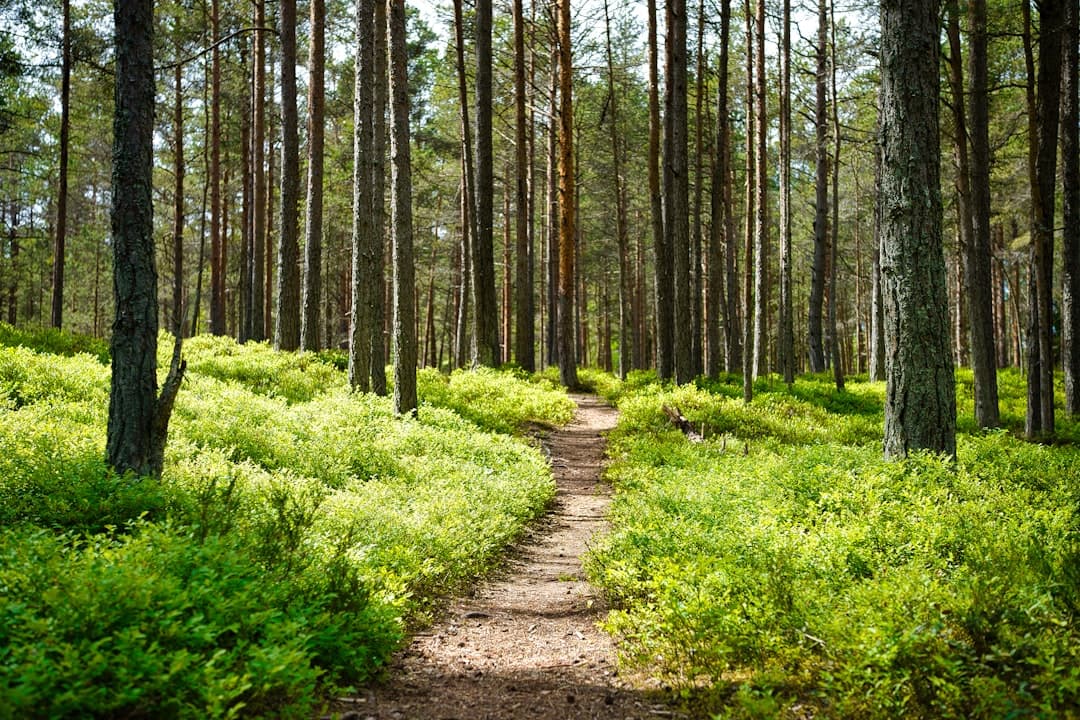
Situated along the northern coast, Lahemaa was the first national park established in the Soviet Union, designated in 1971. The park encompasses pine forests, coastal cliffs, bog landscapes, and several restored manor houses from the Baltic German nobility. It lies within driving distance of Tallinn, making it accessible as a day trip or a longer stay.
Pärnu: The Summer Capital
On Estonia's southwestern coast, Pärnu has historically served as the country's primary seaside resort. Its long sandy beach, 19th-century wooden architecture, and pedestrian-friendly center attract visitors during the warmer months. The city also retains sections of its original medieval town walls.
Open Questions
Whether improved regional transport infrastructure will draw a more distributed flow of international tourists away from Tallinn remains a subject of ongoing discussion among Estonian tourism authorities.
Sources: Visit Estonia (visitestonia.com), University of Tartu official history, Lahemaa National Park official records, UNESCO Baltic heritage documentation, Saaremaa Municipality tourism information.
This article is based on a verified primary source. The text was editorially reviewed and fact-checked prior to publication.