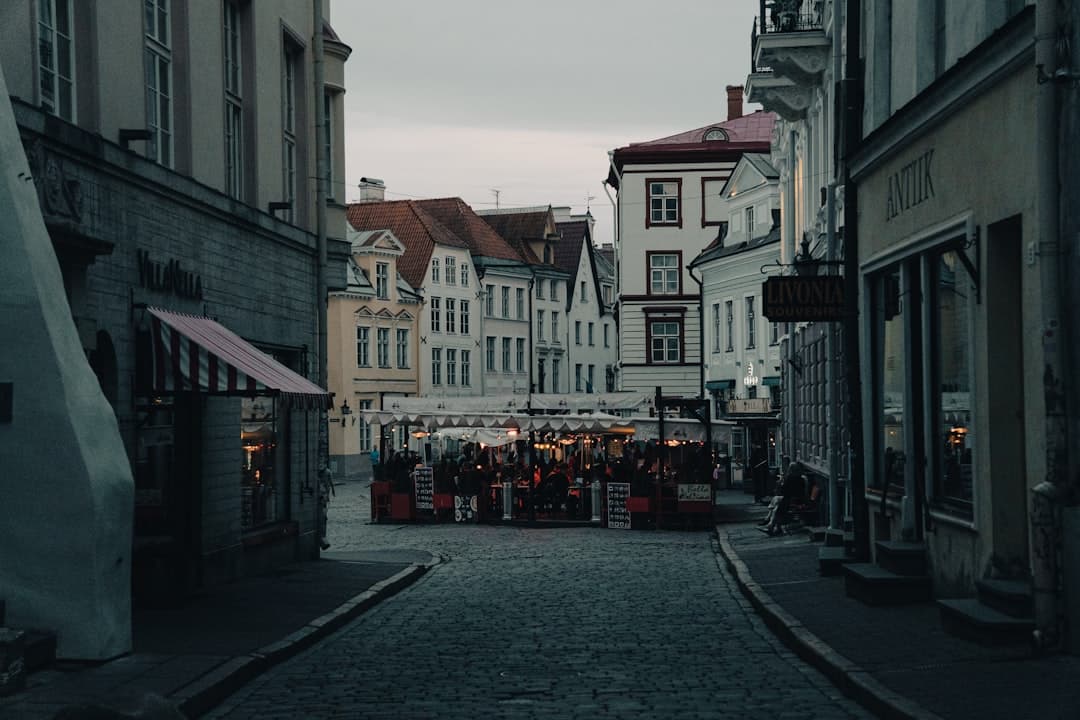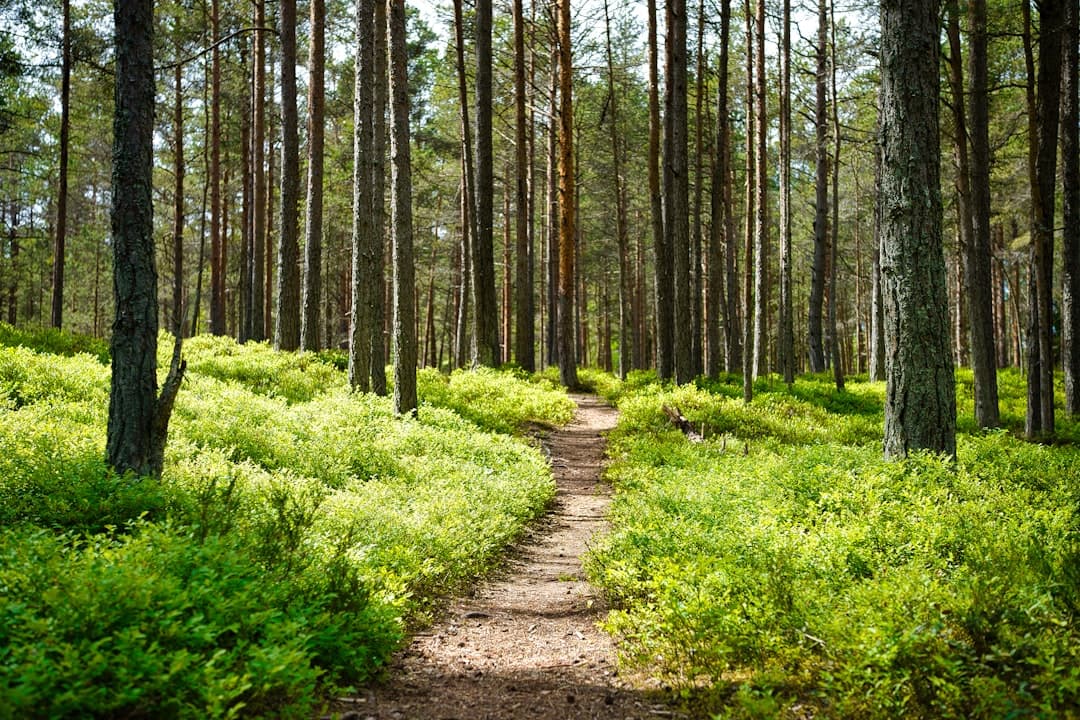
Estonia, the smallest of the three Baltic states, covers a territory where more than half the land remains forested. That density of woodland, combined with thousands of lakes, a fragmented coastline and a chain of western islands, has positioned the country as a notable destination for nature-focused travel within the European market.
Lahemaa and the National Park Network
Lahemaa National Park, established in 1971 as the first national park in the former Soviet Union, remains the most visited protected area in Estonia. Located along the northern coast, it encompasses manor houses, fishing villages, forested peninsulas and bog landscapes connected by marked hiking trails. The park draws visitors year-round, with winter conditions offering a distinct experience of frozen coastline and snow-covered pine forest.
Bog Walking as a Distinct Attraction
Raised peat bogs represent one of Estonia's most distinctive natural features. Viru Bog, accessible from Lahemaa, and Männikjärve Bog in Endla Nature Reserve are among the sites equipped with boardwalk trails that allow visitors to traverse the otherwise difficult terrain. These ecosystems, which developed over thousands of years following the last Ice Age, support specialized flora and fauna found in few other environments across the continent.
The Western Islands
Saaremaa and Hiiumaa, the two largest islands in the Estonian archipelago, are reachable by ferry from the mainland. Saaremaa is home to Kaali crater, formed by a meteorite impact, as well as juniper meadows and traditional windmills. Both islands maintain lower population densities than the mainland and are recognized for their preserved rural character.
Infrastructure and Accessibility
Estonia's RMK, the state forest management organization, maintains an extensive system of free public hiking trails, campfire sites and overnight shelters across the country's forests and nature reserves. Tallinn's international airport provides direct connections to major European cities, making the country reachable without long transit times for travelers originating from within the continent.
Open Questions
Whether Estonia's tourism infrastructure can absorb significantly higher visitor volumes without affecting the ecological integrity of its protected areas remains a subject of ongoing discussion among conservation bodies and regional planners.
Sources: Estonian Ministry of the Environment, RMK (State Forest Management Centre), Lahemaa National Park official records, UNESCO documentation on Baltic ecosystems.
This article is based on a verified primary source. The text was editorially reviewed and fact-checked prior to publication.