Greece holds one of the highest concentrations of UNESCO World Heritage Sites in Europe, encompassing monuments that span millennia of Mediterranean civilization. These sites attract visitors from every continent, drawn by the visible continuity between ancient history and the present landscape.
A Foundation Built Over Millennia
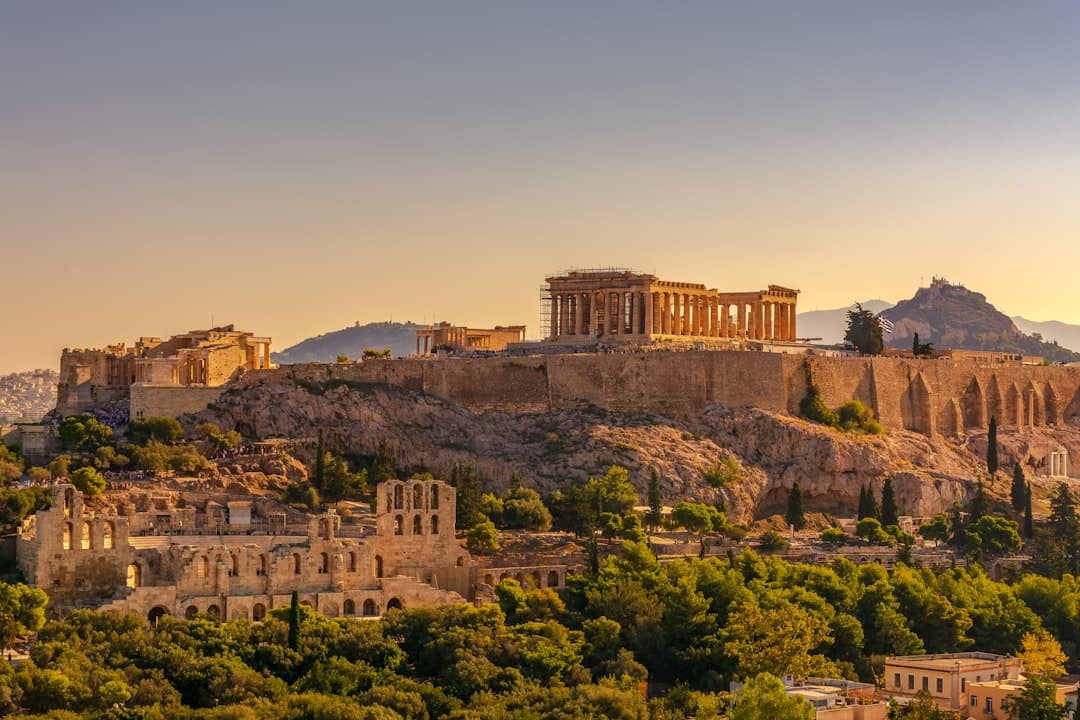
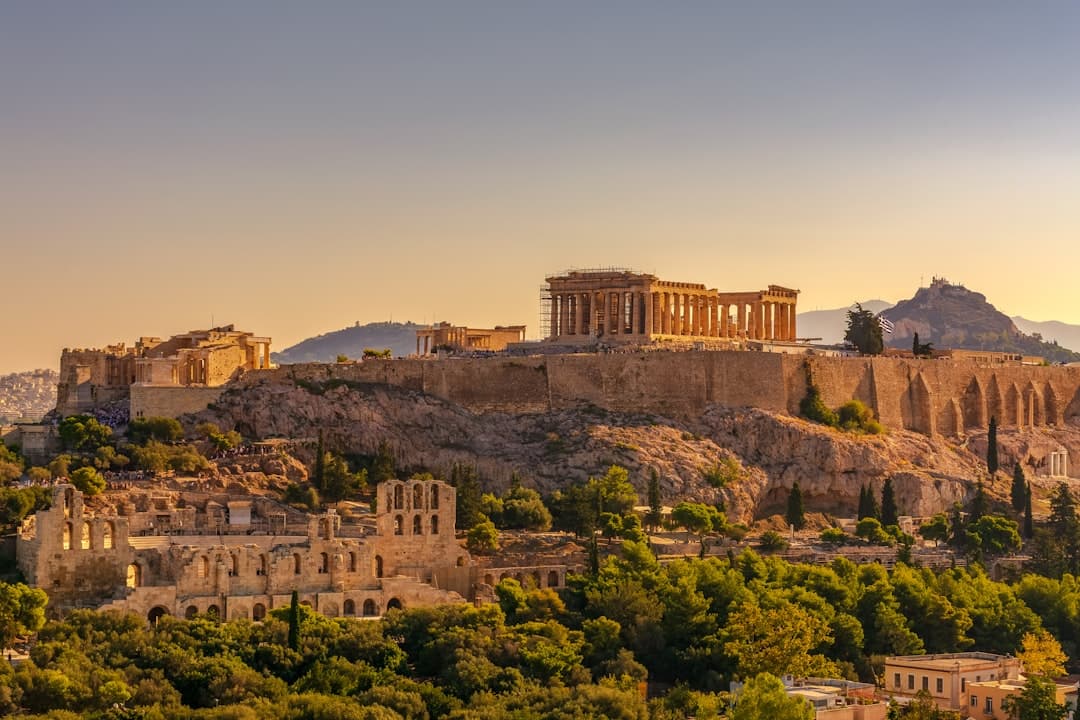
The Acropolis of Athens, home to the Parthenon, stands as perhaps the most recognized symbol of ancient Greek civilization. Construction of the Parthenon began in the fifth century BCE under the direction of the Athenian statesman Pericles. The site functions as both an active archaeological zone and a public monument, managed by the Greek Ministry of Culture and Sports in cooperation with international bodies.
Further north, the sanctuary of Delphi served in antiquity as the seat of the Oracle and a pan-Hellenic gathering point. Its ruins, including the Temple of Apollo and the ancient theatre, remain largely intact and draw scholars and general visitors alike. Delphi received UNESCO World Heritage status in 1987.
Preservation and Access
Greek authorities and the European Union have channeled substantial funding into restoration and conservation projects across major archaeological sites. The Acropolis Restoration Project, ongoing since the 1970s, represents one of the longest-running monument conservation efforts in Europe. These initiatives have slowed structural deterioration while maintaining public access.
The island of Rhodes preserves a medieval old town that layers Byzantine, Ottoman, and Crusader-era architecture alongside classical remains, illustrating how Greek heritage extends well beyond antiquity. This layered history makes the sites relevant across multiple academic disciplines, from classical studies to Byzantine history.
Cultural and Economic Significance
Tourism centered on heritage sites forms a significant portion of the Greek national economy. Archaeological museums adjacent to major sites, including the National Archaeological Museum in Athens, provide contextual depth that extends visitor engagement beyond the monuments themselves. Greece's geographic position at the crossroads of Europe, Asia, and Africa has historically made it a meeting point of civilizations, a fact that continues to inform the scholarly and popular interest these sites generate.
Open Questions
How will rising visitor numbers affect long-term structural preservation at high-traffic sites such as the Acropolis? What role will digital reconstruction technologies play in supplementing physical access to restricted archaeological zones?
Sources: UNESCO World Heritage List (whc.unesco.org), Greek Ministry of Culture and Sports (culture.gov.gr), Acropolis Restoration Service (ysma.culture.gr), European Commission cultural heritage funding records.
This article is based on a verified primary source. The text was editorially reviewed and fact-checked prior to publication.