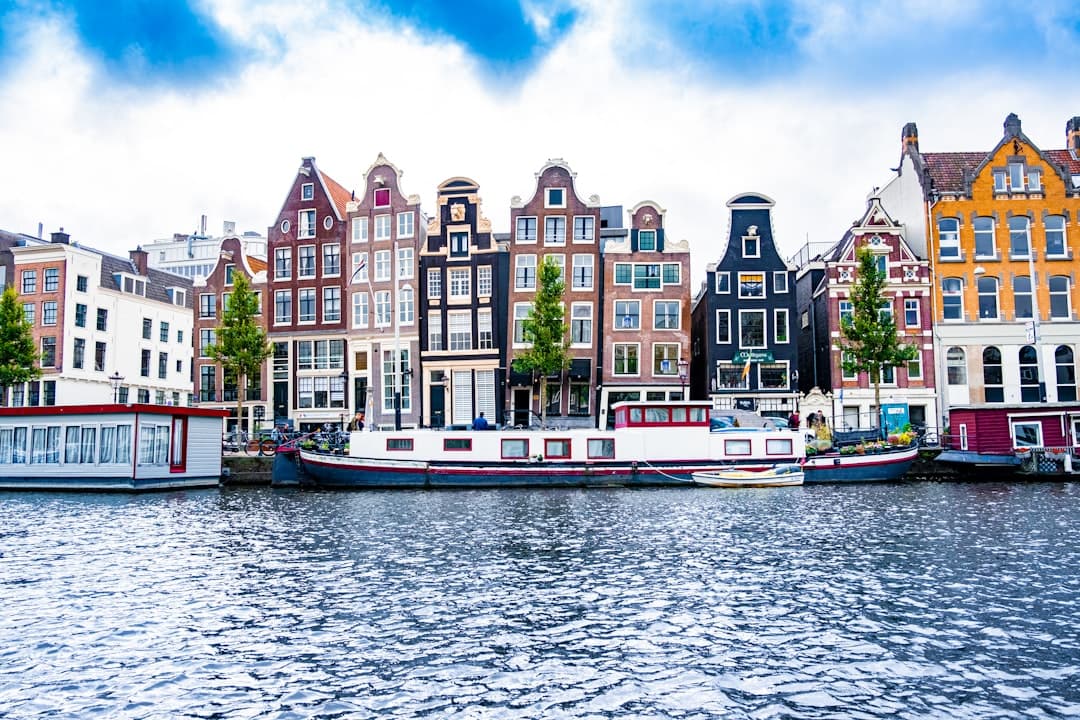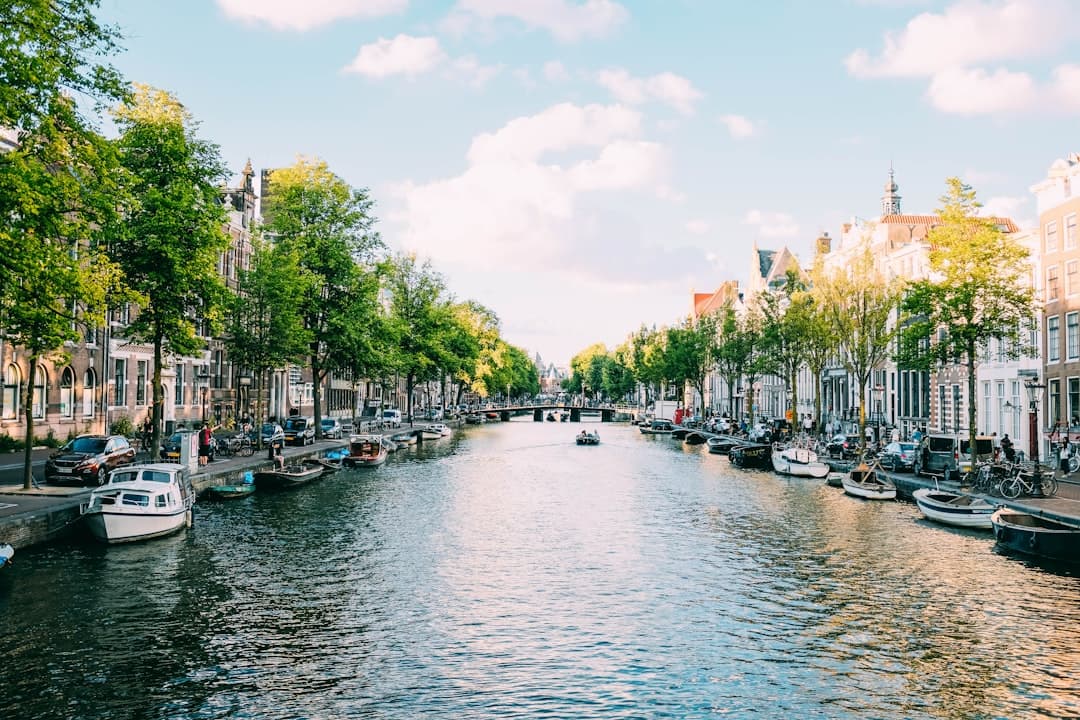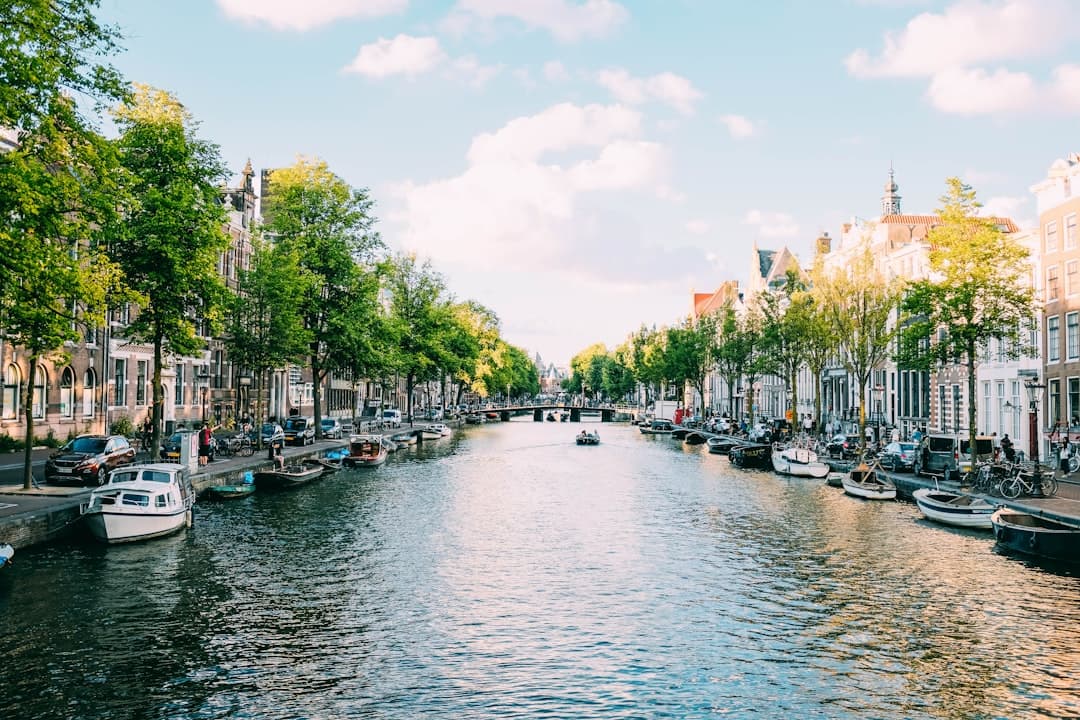
The Netherlands has long maintained a reputation as one of Europe's most cycling-friendly nations, and recent infrastructure developments suggest the country is deepening that commitment across multiple modes of sustainable transport.
Rail and Cycling at the Core
Dutch rail operator NS continues to expand intercity and regional train services, with improved connections between major urban centers including Amsterdam, Rotterdam, Utrecht, and The Hague. Alongside rail investment, the national cycling network — already among the densest in the world — has seen extensions linking suburban areas to city centers and to international routes that cross into Belgium and Germany.
The Netherlands forms part of the broader European cycle route network, EuroVelo, which facilitates long-distance cycling travel across the continent. Dutch planners have worked to ensure domestic infrastructure meets the standards required for seamless international connectivity.
Multimodal Hubs and Cross-Border Links
A growing emphasis on multimodal transport hubs allows travelers to transition between trains, buses, bicycles, and ferries at key interchange points. Ferry services along inland waterways and coastal routes have also been identified as areas for further low-emission development, particularly in the country's western delta regions.
Cross-border rail links with Belgium and Germany have been a focus of ongoing negotiations and infrastructure upgrades, with the goal of making international travel by train a practical alternative to short-haul air travel within Northwest Europe.
Policy Alignment with EU Climate Goals
The expansion aligns with European Union directives encouraging member states to shift freight and passenger movement toward lower-carbon alternatives. The Netherlands has incorporated these targets into its national mobility plans, which outline investment priorities for road, rail, and waterway infrastructure over the coming decades.
Local municipalities have also played a role, with cities such as Amsterdam and Utrecht introducing measures that restrict car access in central areas while simultaneously improving public transit frequency and cycling amenities.
Open Questions
Whether cross-border high-speed rail links will receive the sustained binational funding needed for full implementation remains unresolved. The balance between rural connectivity and urban-focused investment is also a subject of ongoing policy debate.
Sources: NS (Nederlandse Spoorwegen), EuroVelo / ECF (European Cyclists' Federation), European Commission Transport Policy, Government of the Netherlands (Rijksoverheid) mobility planning documents.
This article is based on a verified primary source. The text was editorially reviewed and fact-checked prior to publication.