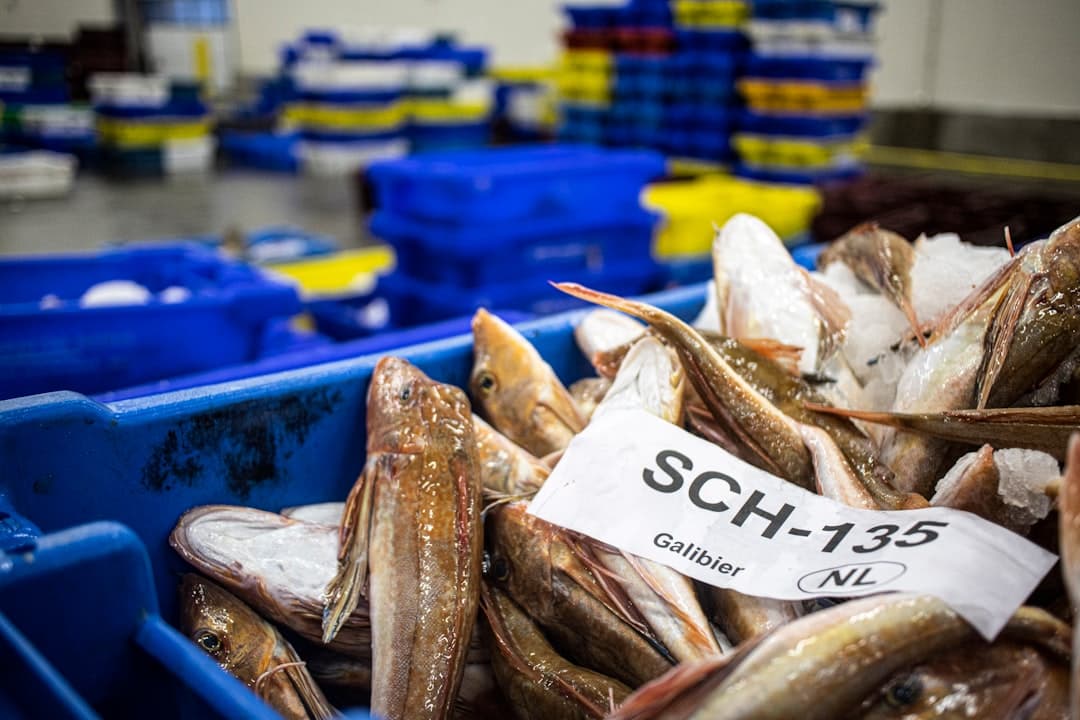
Across the Netherlands, food traditions that were largely displaced by industrial production and globalized supply chains are finding their way back onto Dutch tables. From the smoked eels of Friesland to the aged Gouda varieties of South Holland, regional specialties with deep historical roots are attracting fresh attention from producers and consumers alike.
Provincial Identity on the Plate
The Netherlands has long maintained a diverse culinary geography, with each province carrying distinct ingredients and preparation methods shaped by local agriculture, waterways, and trade history. Zeeland's mussel and oyster cultivation, Limburg's vlaai pastries, and the mustard traditions of the eastern regions represent only a portion of a broader regional food map that food historians and cultural institutions have documented extensively.
Regional food markets and artisan fairs have grown in number across Dutch cities and rural areas, providing platforms for small-scale producers to reach consumers who seek provenance and traditional methods over mass-produced alternatives. Specialty delicatessens and farm shops have reported increased demand for products bearing regional designations or heritage production credentials.
Heritage Certification and Institutional Support
Several Dutch food products hold protected status under European Union geographical indication schemes, including certain cheeses and spirits. These designations require producers to adhere to defined regional and methodological standards, lending legal and commercial weight to heritage claims. Cultural organizations and regional governments in the Netherlands have supported documentation and promotion efforts aimed at preserving traditional food knowledge.
Broader European Context
The Dutch development reflects a pattern observable across much of Europe, where regional food identity has become both a cultural priority and a commercial differentiator. Countries including France, Italy, and Spain have long leveraged regional gastronomy as part of tourism and export strategies. The Netherlands, sometimes perceived internationally as a country of limited culinary distinction beyond its dairy exports, appears to be asserting a more nuanced food identity rooted in provincial diversity.
Whether this momentum translates into lasting structural changes in Dutch food production and retail remains an open question, though the infrastructure supporting regional food systems has visibly expanded in recent years.
Open Questions
Will EU geographical indication protections be extended to additional Dutch regional products? How will the growth of regional food markets affect mainstream supermarket offerings? Can rural producers sustain increased demand without compromising traditional methods?
Sources: European Commission Geographical Indications Register, Netherlands Enterprise Agency (RVO), Slow Food Netherlands, Dutch Food Culture Foundation (Stichting Eten van Eigen Bodem)
This article is based on a verified primary source. The text was editorially reviewed and fact-checked prior to publication.