Bulgaria's geography — spanning the Balkan Mountains, the Rhodope range, the Thracian Plain, and the Black Sea coastline — makes it one of southeastern Europe's more varied destinations for road travel. Several corridors stand out as particularly well-documented scenic routes, drawing visitors from across the continent.
The Rhodope Mountain Route
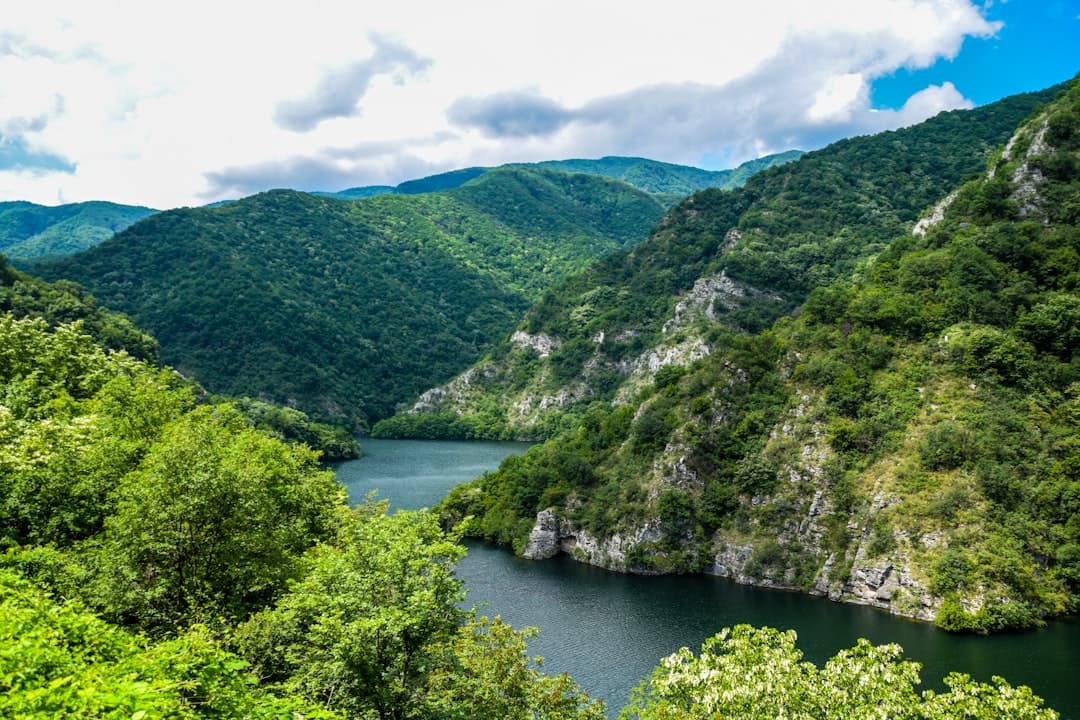
The road network threading through the Rhodope Mountains in southern Bulgaria passes through dense pine and beech forests, deep river gorges, and traditional stone-built villages. The area around Shiroka Laka and Trigrad is accessible by regional roads and is known for the Trigrad Gorge, where the Trigrad River cuts through dramatic limestone cliffs. The Yagodinska Cave, one of Bulgaria's largest accessible cave systems, lies along this corridor.
The Iskar Gorge Road
Running along the Iskar River between Sofia and the town of Mezdra, the Iskar Gorge road follows one of Bulgaria's most visually striking natural formations. The route passes railway tunnels, rock formations, and medieval monasteries, including the Cherepish Monastery, which dates to the 14th century. The road is a standard two-lane regional route accessible by conventional vehicle.
The Black Sea Coastal Road
The coastal road connecting Varna in the north to Burgas in the south runs adjacent to a series of protected nature reserves, including Zlatni Pyasatsi (Golden Sands) Natural Park. Further south, the road passes near the Strandzha Nature Park, Bulgaria's largest protected area, which extends to the Turkish border.
The Rose Valley Corridor
The road through the Rose Valley between Karlovo and Kazanlak traverses a region historically associated with Bulgarian rose oil production. The valley sits between the Balkan Mountains to the north and the Sredna Gora range to the south, offering layered views of cultivated lowlands and forested ridgelines.
Bulgaria's road infrastructure has seen sustained investment under European Union cohesion funding, with major motorways supplemented by an extensive regional road network that connects interior areas to border crossings with Romania, Serbia, North Macedonia, Greece, and Turkey.
Open Questions
Road condition ratings for secondary mountain routes vary seasonally, and access to certain gorge roads may be restricted following heavy rainfall or snowfall. Current road status is maintained by the Bulgarian Road Infrastructure Agency.
Sources: Bulgarian Ministry of Tourism, Bulgarian Road Infrastructure Agency (API), Strandzha Nature Park Administration, UNESCO Regional Documentation on Balkan Geography
This article is based on a verified primary source. The text was editorially reviewed and fact-checked prior to publication.